
News
7 things to know about Kisarazu, Japan’s newly designated ‘Hometown for Nigerians’

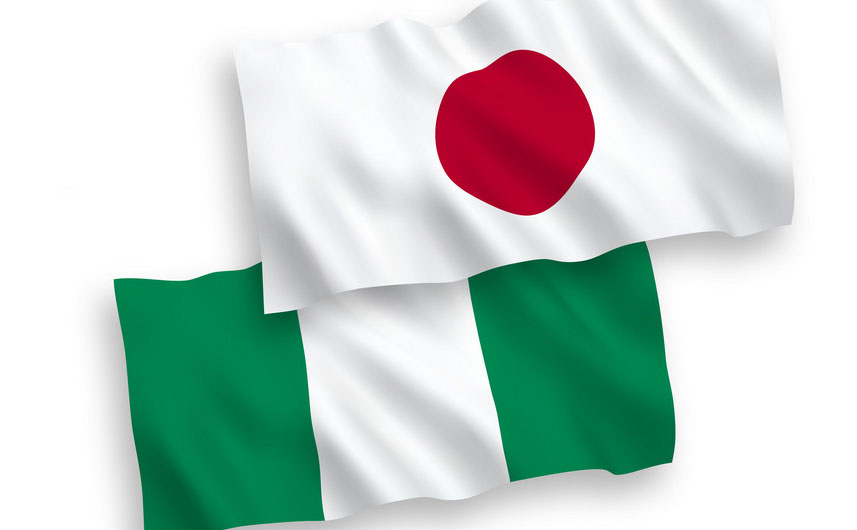
Nigeria and Japan have opened a new chapter in their relations after the Japanese government designated Kisarazu City in Chiba Prefecture as the official hometown for Nigerians. The announcement was made during the Ninth Tokyo International Conference on African Development (TICAD9), alongside a special visa scheme to attract skilled workers, students, and professionals from Nigeria.
For those relocating—or simply curious about this coastal city—here are seven things to know about Kisarazu:
1. A City by the Bay, Just an Hour from Tokyo.
Kisarazu lies about 70 kilometres from Tokyo, connected by the Tokyo Bay Aqua-Line, a striking 23.7 km bridge-and-tunnel route. This makes commuting to the capital fast and convenient, giving residents the balance of a quieter coastal city with easy access to Japan’s busiest metropolis.
2. Olympic Ties with Nigeria
The city already shares a sporting history with Nigeria. During the Tokyo 2020 Olympics, Nigerian athletes camped and trained in Kisarazu. That cooperation is now a foundation for the deeper hometown partnership announced this week.
3. Strong Economy with Local and Global Reach.
Part of the Keiyō Industrial Zone, Kisarazu hosts industries in steel, chemicals, and electronics, while also retaining its traditional fishing and farming sectors. The Mitsui Outlet Park has turned the city into a retail hub. With Nigeria’s new exchange programme, Kisarazu hopes to rejuvenate its workforce and community.
4. Food, Festivals and Culture
The city is famous for clams harvested at Egawa Beach, alongside Japanese staples like ramen, udon, and street snacks such as takoyaki and taiyaki. Culturally, locals celebrate with the Yassai Mossai dance parade and the Kisarazu Minato Port Festival, while landmarks like Kōzō-ji Temple and the Nakanoshima Ohashi pedestrian bridge highlight its heritage and scenery.
5. Education and Healthcare Opportunities
Kisarazu offers diverse educational institutions, including Seiwa University, Kisarazu National College of Technology, and the bilingual Gyosei International School. Under Japan’s universal healthcare system, Nigerians relocating to the city will also have access to hospitals and clinics, including Kisarazu City Hospital.
6. Safe, Affordable and Family-Friendly
Like much of Japan, Kisarazu boasts low crime rates and a strong sense of community security. Living costs are lower than in central Tokyo, with more affordable rent, groceries, and transport. According to LivingCost.Org, the city’s median after-tax salary of $2,585 covers more than two months of expenses—making it attractive for families and young professionals.
7. A Bridge Between Nigeria and Japan
With its new “hometown” status and visa scheme, Kisarazu becomes a key hub for Nigeria–Japan cultural exchange. While Japanese is the main language, international communities, including Christian and Muslim groups, are present in nearby Chiba and Tokyo. For Nigerians, this offers both integration and the comfort of familiar spiritual communities.
From its scenic waterfronts to its industrial base and vibrant festivals, Kisarazu is not just a coastal city near Tokyo—it is now the symbolic home of Nigerians in Japan, strengthening ties between the two nations.

By Monire-Oluwa Lucas
Efforts aimed at further enhancing road safety in Ogun State received a boost following fresh collaborative engagement between the Dangote Cement Plc, Ibese Plant and the State Sector Command for safer road use and general safety advocacy.
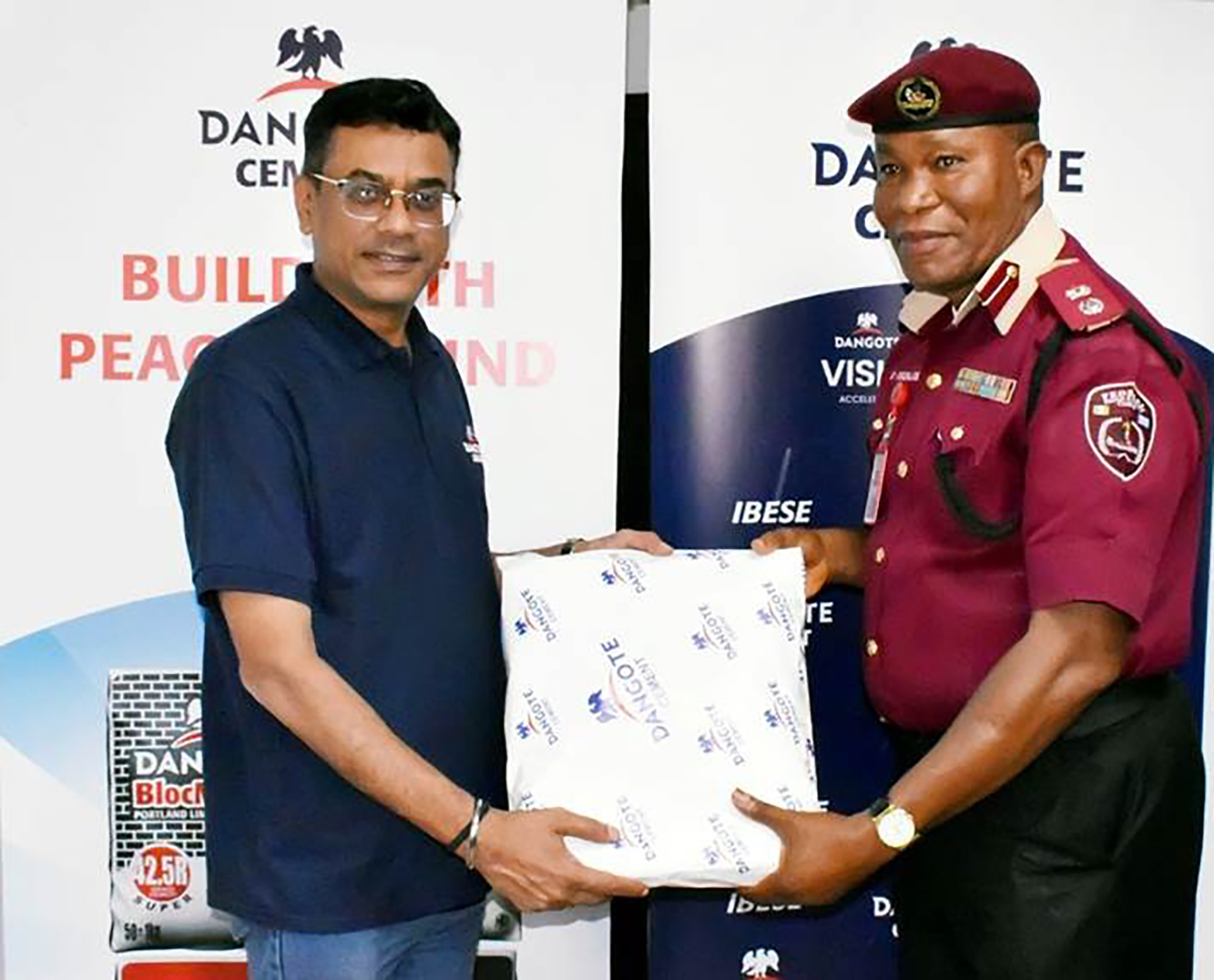
Dangote Cement Plc, Ibese Plant reaffirmed its commitment to promoting safer roads and strengthening stakeholder collaboration as it received the newly deployed Ogun State Sector Commander of the Federal Road Safety Corps (FRSC), Corps Commander Oludare Ogunjobi, and members of his management team on a courtesy visit to the plant.
Speaking during the engagement, Ogunjobi commended Dangote Cement for its consistent support to the FRSC and its contribution to road safety initiatives over the years pointing out that the company has established itself as one of the Corps’ most reliable corporate partners through its commitment to safety and responsible transportation practices.
He said: “Dangote Cement has remained a dependable partner of the Federal Road Safety Corps over the years, and we deeply appreciate the support we have continued to receive from the company. As an organisation with extensive logistics and transportation operations, Dangote Cement understands the importance of safety on our roads. This shared commitment provides a strong foundation for even greater collaboration between our two institutions.”
The Sector Commander emphasised that promoting a culture of safety requires continuous engagement with stakeholders, particularly organisations that operate large fleets of vehicles and professional drivers.
“Road safety is not the responsibility of FRSC alone. It requires collective action from government agencies, private sector organisations, transport operators, and road users. We believe there is significant potential for us to work more closely with Dangote Cement in driving safety awareness and improving compliance with road traffic regulations,” he stated.
As part of the proposed areas of cooperation, Ogunjobi advocated the establishment of an FRSC Special Marshal Unit within the Ibese Plant, noting that the initiative would strengthen safety consciousness among employees and drivers.
“We would like to see the establishment of an in-plant FRSC Special Marshal Unit that will serve as a platform for promoting road safety advocacy and best practices among staff and transport operators. Such a unit will support specialized driver training programmes, regular sensitisation sessions, and proactive safety campaigns aimed at reducing road crashes,” he said.
He further assured the company of the Corps’ readiness to provide technical support through continuous engagement, capacity building and safety enlightenment initiatives that will ultimately benefit not just the company but all road users across the state.
Responding, the Plant Director, Dangote Cement Plc, Ibese, Ayyagri Subbaraidu, described the FRSC as a critical stakeholder in the company’s operations and commended the Corps for its dedication to preserving lives on Nigerian roads. He assured that safety remains a central pillar of Dangote Cement’s operational philosophy and long-term growth strategy.
“The Federal Road Safety Corps plays a strategic role in our operations because transportation is a vital component of our business. We therefore recognise and appreciate the tremendous work being done by the Corps in ensuring safer roads and protecting lives,” Subbaraidu said.
He explained that the company’s Vision 2030 places strong emphasis on responsible operations, sustainability, and stakeholder collaboration, making road safety an important priority.
“Dangote Vision 2030 clearly highlights the need for stronger partnerships with key stakeholders such as the FRSC. Safety is not merely a regulatory requirement for us; it is a core value that guides how we operate every day,” he stated.
“Our commitment goes beyond the movement of products. We are committed to ensuring that our drivers, contractors, employees and every road user interacting with our operations do so in the safest possible environment.”

The United States government has announced a sweeping review of all Green Cards issued to citizens of 19 countries, following Wednesday’s attack on National Guard troops in Washington, D.C.
The Trump administration disclosed the move on Thursday after authorities identified the detained suspect as a 29-year-old Afghan national who had previously worked with American forces in Afghanistan.
According to AfghanEvac, an organisation involved in the resettlement of Afghans after the 2021 Taliban takeover, the suspect was granted asylum in April 2025, not permanent residency.
In a statement on X, the Director of the US Citizenship and Immigration Services (USCIS), Joseph Edlow, said, “I have directed a full-scale, rigorous re-examination of every Green Card for every alien from every country of concern.”
The order had earlier banned nearly all nationals from 12 of those countries, including Afghanistan, from entering the United States.
Here is a full list of countries under the travel ban:
Countries with Full Travel Ban (12)
1. Afghanistan
2. Myanmar
3. Chad
4. Congo-Brazzaville
5. Equatorial Guinea
6. Eritrea
7. Haiti
8. Iran
9. Libya
10. Somalia
11. Sudan
12. Yemen
Countries with Partial Ban (7)
1. Burundi
2. Cuba
3. Laos
4. Sierra Leone
5. Togo
6. Turkmenistan
7. Venezuela

The Economic and Financial Crimes Commission (EFCC) has invited former Attorney-General of the Federation and Minister of Justice, Abubakar Malami, for questioning.
Malami served as Attorney-General and Minister of Justice from 2015 to 2023 under former President Muhammadu Buhari.
Malami announced the development on his Facebook page on Friday, confirming that he had received a formal invitation from the anti-graft agency.
“I would like to inform my family and friends that I have been summoned by the EFCC to provide clarification on certain matters, and as a law-abiding and patriotic citizen, I am determined to honour this invitation without any hesitation,” he wrote.
The former minister reiterated his commitment to the principles of honesty, integrity, and accountability, which he said guided his years in public service.
“I believe in the importance of honesty, integrity, and accountability in governance; these are principles that I have long supported and upheld over the years of my public service,” he added.
Malami also stated that he would keep Nigerians informed of any developments that may arise from the invitation.



-

 Energy11 months ago
Diesel falls to ₦979/L in Lagos
-

 Law & Crime12 months ago
EFCC vs Yahaya Bello: Court adjourns ₦80.2b alleged fraud trial to Nov 11
-

 Art & Life9 years ago
These ’90s fashion trends are making a comeback in 2017
-
Business9 years ago
The 9 worst mistakes you can ever make at work
-
Entertainment9 years ago
The final 6 ‘Game of Thrones’ episodes might feel like a full season
-
Art & Life9 years ago
According to Dior Couture, this taboo fashion accessory is back
-
Entertainment9 years ago
The old and New Edition cast comes together to perform
-
Entertainment9 years ago
Mod turns ‘Counter-Strike’ into a ‘Tekken’ clone with fighting chickens