
Economy
World Bank: Nigerian economy to grow in H1

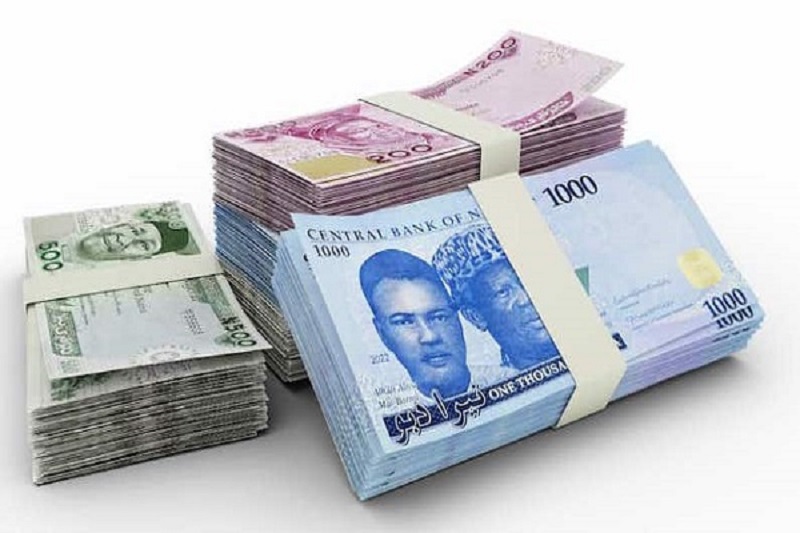
Nigeria’s economy is resilient and set to grow in the first half of 2026 despite the Iran war, the World Bank has said.
It however said that rising fuel costs and persistently high inflation risk squeezing incomes and slowing poverty reduction.
The bank also advised Nigeria to remove controls on fuel imports to ease inflation and support growth.
Business activity remains in expansion territory with the U.S./Israel-Iran conflict so far lifting prices but leaving output largely intact, World Bank Nigeria lead economist FisehaHaile said during a presentation in the capital Abuja.
“Overall business activity has been expanding over the past fewmonths, suggesting the impact on growth has been relatively contained. But the shock is still being felt through higher inflation,” Haile said.
President Bola Tinubu, now in his third year in office, has rolled outNigeria’s most ambitious economic overhaul in decades by ending costly fuel and energy subsidies, devaluing the currency and changing the tax system to stabilise an economy battered by high inflation, currency weakness and external shocks.
Inflation eased sharply to 15.06 per cent in February from around 33 per cent in December 2024, but remains high compared with regional peers and has come under renewed pressure since the Middle East conflict began, Haile said.
Fuel prices have risen more than 50 per cent during the Iran war, feeding into transport, food and production costs. Nigeria should consider lifting curbs on fuel imports to help ease inflation, he said.
“Inflation is still elevated and under increasing pressure, and that poses risks to incomes and poverty reduction,” Haile said.
Nigeria’s external buffers have improved as foreign exchange reserves rise and volatility eases, but tighter global financing conditions still threaten inflows, borrowing costs, and remittances.
Nigeria’s fiscal deficit widened slightly to 3.1 per cent of Gross Domestic Product (GDP) in 2025, but remains lower than in pre-reform years, Haile said, adding that the debt‑to‑GDP ratio fell for the first time in a decade, helped by stronger fiscal performance and exchange rate valuation gains.
The World Bank forecasts economic growth of about 4.2 per cent for 2026 and urged authorities to save windfalls from higher oil prices, keep monetary policy tight, and avoid blanket subsidies to rein in inflation.


The Federal Government has said Nigeria is looking to learn from Indonesia’s transformation into a $1.4 trillion economy as it pursues its own ambition of building a $1 trillion economy under the administration of Bola Tinubu.
A statement from the ministry on Tuesday said the Minister of Budget and Economic Planning, Senator Abubakar Bagudu, made the disclosure when Indonesia’s Ambassador to Nigeria, Bambang Suharto, paid a courtesy visit to the ministry in Abuja to deepen discussions on economic cooperation and development partnerships.
Bagudu said Nigeria is particularly interested in how Indonesia achieved such rapid economic growth, noting that the country’s experience offers useful lessons as Nigeria moves ahead with its 2026–2030 National Development Plan.
“Indonesia remains a vital partner for Nigeria as we strive for inclusive growth and economic transformation. There is much we can accomplish together through shared knowledge, investment, and innovation,” he said.
The minister added that achieving Nigeria’s $1 trillion economy target would depend largely on private sector participation and stronger collaboration with international partners.
Also speaking, Minister of State for Budget and Economic Planning, Dr. Doris Uzoka-Anite, said Nigeria and Indonesia share cultural and economic similarities that can support deeper cooperation. She called for stronger engagement and better knowledge exchange to turn opportunities between both countries into real economic gains.
Earlier, the Permanent Secretary of the ministry, Deborah Odoh, described the visit as a sign of the long-standing relationship between both countries. She said Indonesia’s progress in governance, economic diversification and public sector reforms provides practical lessons Nigeria can adopt.
According to her, the engagement offers an opportunity to strengthen institutional collaboration and identify workable solutions that can drive inclusive growth, especially among countries in the Global South.
In his remarks, Ambassador Suharto said Indonesia remains committed to strengthening its relationship with Nigeria across key sectors.
He pointed to ongoing cooperation in agriculture, including livestock development projects in Sokoto State and Kebbi State, as well as growing partnerships in the pharmaceutical sector, where Indonesian companies are setting up manufacturing facilities in Lagos.
The ambassador also disclosed plans to expand cooperation into strategic industries such as aviation and maritime services, including the development of Maintenance, Repair and Overhaul facilities to position Nigeria as a regional hub.
Both countries agreed to strengthen their cooperation frameworks, expand investment opportunities and build stronger partnerships aimed at supporting sustainable economic growth.

Economic and financial experts at the weekend submitted that the second quarter economic outlook for the country’s economy remains cautiously positive but increasingly uncertain, as it will be shaped by geopolitical developments, political cycle dynamics, and fiscal execution risks.
To this end, they admonish that policy priorities should focus on consolidating macroeconomic stability, addressing structural bottlenecks, and implementing targeted measures to protect vulnerable populations.
They drew their position from the performance of the economy on the first quarter (Q1) which they claim represents a significant inflection point for the Nigerian economy, marked by notable gains in macroeconomic stability.
They however noted that these gains are tempered by persistent structural challenges and mounting welfare pressures. For instance, the ongoing Middle East conflict, they argued, presents a credible risk of stagflation, particularly if the crisis is prolonged or intensifies. Besides, the rising global energy prices, it is believed, are likely to amplify inflationary pressures while simultaneously constraining output growth through higher production and logistics costs. Therefore, for businesses and investors, success in this environment will depend on resilience, operational efficiency, and strategic positioning.
This dual impact, elevated inflation alongside weakened growth, analysts warns, poses a significant macroeconomic risk, with adverse implications for business profitability, investment decisions, and overall economic stability.
The Chief Executive Officer, Centre for the Promotion of Private Enterprise (CPPE), Dr. Muda Yusuf, in a policy brief obtained by The Trust News, noted that the economy in the first quarter, reflected a blend of improving macroeconomic stability and persistent structural constraints. He maintained that evidence of a more stable macroeconomic environment is increasingly evident, underpinned by the cumulative gains from foreign exchange reforms, a sustained period of monetary tightening, and the gradual normalisation of key economic indicators.
However, Yusuf said these improvements continue to coexist with significant headwinds. “The cost-of-living crisis remains pronounced, energy costs are still elevated, concerns around insecurity persist, and deep-seated structural rigidities continue to constrain productivity and investment,” the CPPE boss said.
According to him, as the economy transitions into the second quarter, the outlook remains cautiously optimistic but not without considerable risks as the trajectory of macroeconomic stability is vulnerable to external shocks, particularly the evolving geopolitical tensions, while the intensifying political cycle ahead of the 2027 elections could pose risks to policy focus and reform momentum. Additionally, fiscal execution constraints remain a critical concern, with implications for budget implementation, infrastructure delivery, and overall economic performance.
Yusuf, an economist, looking into his crystal ball, maintained that the outlook for Q2 2026 reflects a combination of sustained macroeconomic momentum and rising downside risks.
For instance, he said the current disinflation trajectory remains fragile and susceptible to reversal. He argued that the ongoing Middle East conflict has precipitated a sharp escalation in global crude oil prices, with benchmarks crossing the $100 per barrel threshold in recent weeks-developments with significant inflationary implications.
According to him, the development in the Middle East situation presents a classic dual-edged dynamic for the country. Yusuf explained that on the upside, elevated crude oil prices are expected to bolster export earnings, strengthen foreign exchange inflows, and improve government revenue. However, he warned of the downside risks which are immediate and far-reaching.
“Higher crude prices transmit quickly into domestic fuel costs, with consequential increases in logistics, production, and operating expenses across the economy. This cost pass-through effect poses a significant threat to the fragile disinflation process, potentially reversing recent gains in price stability, weakening real incomes, and further exacerbating the cost-of-living pressures facing households and businesses,” he said.
Although the economist pointed at the exchange rate which he said is expected to remain relatively stable in Q2, as it would be supported by improved reserves and forex liquidity, he nonetheless warns of persistent risks of volatility, particularly in the event of prolonged geopolitical tensions or shifts in investor sentiment.
“Economic growth is expected to remain positive in the near term, but the momentum is likely to moderate amid a confluence of downside risks. Elevated energy costs continue to exert significant pressure on production and operating expenses, while weak consumer demand—driven by eroded purchasing power—remains a binding constraint on output expansion.
“Additionally, the risk of a stagflationary environment is becoming more pronounced, as cost pressures persist alongside fragile growth dynamics. Compounding these challenges are potential policy distractions associated with intensifying pre-election political activities ahead of the 2027 general elections, which could dampen reform momentum and weaken macroeconomic management,” Yusuf said.
Still, the CPPE helmsman maintained that the scope for further monetary easing in the near term appears constrained by renewed inflationary pressures, particularly those linked to rising global energy prices. In this context, he argued, monetary policy is expected to remain cautious and strongly data-driven, with limited headroom for aggressive rate cuts.
“There is, however, a risk that the Central Bank of Nigeria (CBN) may be inclined toward further tightening in response to prevailing geopolitical and inflationary pressures. Such a stance would be counterproductive, given the fragility of current growth dynamics.
“Notably, the present inflationary episode is largely cost-push in nature—driven by energy prices, exchange rate pass-through, and structural inefficiencies—rather than excess aggregate demand. Consequently, additional monetary tightening would have limited effectiveness in addressing the underlying drivers of inflation, while potentially exacerbating constraints on investment, credit expansion, and overall economic growth,” Yusuf warned.
He warned of a key emerging risk which centers around the increasing tempo of political activities ahead of the 2027 general elections. With political realignments, defections, and early campaign positioning already intensifying, he argued, it raises concerns about policy distraction, as economic management may increasingly compete with electoral considerations. This, he opines, may lead to a growing risk of deceleration in reform momentum, as politically sensitive but necessary reforms become more difficult to sustain in a pre-election environment.
Yet, the CPPE, and economic and think-tank group, noted that the 2026 budget, estimated at about ₦68 trillion, presents both opportunities and risks.
It noted that while the scale of the budget has the potential to stimulate economic activity, its effectiveness will depend largely on implementation quality. The CPPE expressed key concerns to include weak revenue performance; delays in capital releases; limited project execution capacity and increasing political influence on expenditure priorities
“As political pressures intensify, there is a risk of weakening fiscal discipline, with greater emphasis on recurrent and politically expedient spending,” the CPPE warned.
For businesses and investors, therefore, the current environment calls for a strategic shift from expansion-driven models to resilience, efficiency, and risk management.
Yusuf urged businesses to embrace cost containment as a top priority, particularly through energy efficiency and logistics optimisation.
“There is also a compelling case for investment in alternative energy solutions, including solar and gas-powered systems, to reduce dependence on costly diesel and petrol. Foreign exchange risk management is critical. Firms should deepen local sourcing strategies, promote backward integration, and carefully manage currency exposure.
“Liquidity management remains essential. Businesses should maintain strong cash buffers and avoid excessive leverage in a still high-interest-rate environment,” he said.
Yusuf advised investors to adopt a selective approach, focusing on sectors with strong and inelastic demand; pricing power; export potential or forex earnings capacity; policy support and structural growth prospects and close monitoring of the political environment given the likelihood of policy shifts as the election cycle intensifies,” he said.
According to the CPPE, the most notable development in Q1 2026 was the consolidation of macroeconomic stability. He noted that inflation continued on a downward trajectory, as headline inflation, which exceeded 24 per cent in early 2025, moderated to 15.15 per cent in December 2025 and further eased to approximately 15.06 per cent by February 2026. This, he said, is a reflection of the combined effects of tighter monetary conditions, improved exchange rate stability and some easing in supply-side pressures.
“Exchange rate conditions also improved significantly. The naira, which experienced substantial volatility during the reform transition period, stabilised within a relatively narrow band of about ₦1,340 – ₦1,430 per dollar in the official market during Q1 2026. This stability has helped to moderate imported inflation and restore a measure of business confidence.
“External reserves strengthened considerably, rising above $50 billion in early 2026. This improvement reflects stronger oil earnings, enhanced foreign exchange liquidity, and improved market confidence, thereby strengthening the capacity of monetary authorities to manage exchange rate volatility.
“Growth momentum remained positive. Real GDP growth stood at 4.07% year-on-year in Q4 2025, with full-year growth at 3.87 per cent, supported by recovery in the oil sector and sustained expansion in the non-oil economy. Business activity indicators also remained positive, with Purchasing Managers’ Index (PMI) readings consistently above the 50-point expansion threshold.
“Monetary policy has begun to reflect these improvements. In February 2026, the Monetary Policy Committee reduced the policy rate by 50 basis points to 26.5 per cent, signaling the start of a cautious easing cycle.
“Overall, these developments point to a transition towards relative macroeconomic stability—an essential foundation for restoring investor confidence and improving economic growth outlook,” he explained.

The current surge in global energy prices, driven by escalating geopolitical tensions in the Middle East, has intensified cost pressures for businesses across many economies. Yesterday, Brent crude sold at $103.1 per barrel while West Texas Intermediate was $98.71 per barrel.
The effect has triggered the pump prices of premium motor spirit (PMS) or petrol and the Automotive Gas Oil (AGO) otherwise known as diesel. As at yesterday, petrol prices ranged from N1, 235 and N1, 500 per litre; while diesel sold for between N1, 529 and N1, 800 per litre in the country.
A more reliable electricity supply would significantly reduce the heavy dependence of businesses on diesel and petrol generators, which currently constitute a major component of operating costs. Improving power sector performance would therefore lower production costs across the economy, enhance business competitiveness, and provide much-needed relief for small and medium enterprises.
The impact of the escalating fuel price has become especially severe because on business in the country who are heavily reliant on the commodity for their businesses. The pressure on businesses has been further intense amid persistent electricity supply challenges, while also facing rising transport and distribution costs due to higher energy prices.
The combined effect of these has led to a significant escalation in operating expenses, mounting pressure on profit margins and heightened risks to business sustainability, particularly for small and medium enterprises.
Still, the woes of enterprises are being further complicated as they continue to contend with multiple macroeconomic pressures including high inflation, elevated interest rates and weak consumer purchasing power.
The latest escalation in energy costs, experts said, compounds an already challenging operating environment. They warned that without deliberate adjustments by businesses and supportive policy interventions from government, rising energy costs could significantly erode profit margins, weaken business sustainability and dampen economic growth.
Policy analysts and economists at the weekend warned that the resilience of Nigerian businesses at this period will depend on improving energy efficiency, diversifying energy sources, strengthening financial management and improving logistics efficiency. For government, they further clarified, the oil spike arising from the Middle-East crises, underscores the urgency of accelerating reforms in electricity supply, renewable energy adoption and domestic refining capacity.
They are convinced that with the right combination of proactive business adaptation and supportive public policy, Nigeria can significantly mitigate the impact of the current energy price shock and strengthen the resilience and competitiveness of its business environment.
But central to achieving this, is the need to strengthen domestic refining capacity. According to the Chief Executive Officer, Center for the Promotion of Private Enterprise (CPPE), Dr. Muda Yusuf, domestic refining is a critical pillar of Nigeria’s energy security and an important buffer against volatility in the global energy market.
Therefore, expanding local refining capacity and ensuring a stable and predictable supply of crude oil to domestic refineries, he said, are essential for strengthening the resilience of the country’s petroleum products market. He further contended that beyond supply security, domestic refining also has significant macroeconomic benefits.
“By reducing the country’s dependence on imported petroleum products, local refining lowers the demand for foreign exchange used for fuel imports, thereby easing pressure on the exchange rate and improving Nigeria’s balance of trade. Over time, a strong domestic refining base can also support export opportunities for refined products within the African region, further strengthening external reserves and Nigeria’s position in regional energy markets. A well-functioning domestic refining ecosystem can help moderate the transmission of global supply disruptions into the domestic economy,” Yusuf said.
Yet, the CPPE boss maintained that the most sustainable solution to Nigeria’s high energy cost environment lies in improving the reliability and availability of grid electricity. Government, he said, therefore needs to intensify efforts to expand electricity generation capacity, strengthen transmission infrastructure and enhance the efficiency and financial viability of electricity distribution networks across the country.
Yusuf argued that improving energy efficiency remains the quickest and most cost-effective strategy for businesses to manage rising energy costs. Firms, he said, should undertake a comprehensive review of their energy consumption patterns with the objective of minimising waste and maximising productivity per unit of energy used.
Besides, he advised that businesses should intensify efforts to improve energy efficiency within their operations as a key strategy for managing rising fuel costs. This includes optimising generator operating hours, deploying energy-efficient machinery and equipment, strengthening internal energy management practices and promoting energy conservation among staff.
According to him, the current crisis on the Middle East highlights the strategic importance of energy diversification. Nigerian businesses, he lamented, remain excessively dependent on diesel and petrol generators for electricity generation. This exposes firms to significant fuel price volatility.
“Businesses should therefore gradually explore alternative energy solutions such as solar power systems, hybrid energy systems combining solar with generators, and gas-powered generators in locations where gas infrastructure is available. While the upfront investment cost may appear significant, the long-term savings from renewable and hybrid energy solutions are becoming increasingly compelling in the face of persistently high fuel prices,” he admonished.
The CPPE, a think-tank economic and policy group, said energy price shocks often transmit strongly through logistics and transportation costs. It therefore advised businesses to review their logistics operations with a view to improving efficiency and reducing fuel consumption. In this case, strategies such as consolidating deliveries, optimising transport routes, improving fleet management systems and leveraging shared logistics platforms, it noted, can significantly reduce transportation costs. It offered that increased adoption of digital platforms and remote transactions can also reduce the need for physical movement, thereby lowering energy expenditure within supply chains.
“Businesses may need to review their pricing structures to reflect rising operating costs. However, price adjustments must be carefully calibrated in order to avoid losing customers in an already fragile consumer market.
“Gradual price adjustments, improved product value propositions and innovative packaging strategies—such as smaller product sizes or product redesign—can help firms remain competitive while managing cost pressures,” the Group said.
Yusuf, an economist, warned that periods of energy price volatility often create liquidity pressures for businesses, especially SMEs with limited financial buffers. Firms, he advised, should therefore strengthen financial management practices by minimising non-essential expenditures, improving inventory management and renegotiating supplier payment terms where feasible.
“Maintaining adequate liquidity buffers will help businesses withstand temporary cost shocks and maintain operational stability. Also, businesses operating within industrial clusters can significantly reduce operating costs through shared infrastructure arrangements. Shared power generation systems, shared logistics services and shared warehousing facilities can create economies of scale that reduce both energy and logistics costs.
“Collaborative arrangements among SMEs can therefore play an important role in improving operational efficiency and resilience during periods of cost shocks,” he submitted.
On policy priorities for government, the CPPE boss advised government to expand fiscal and regulatory incentives that encourage businesses to adopt renewable energy solutions. This option he noted may include tax incentives for solar installations, import duty waivers for renewable energy equipment and fiscal support for investments in energy-efficient technologies.
“Such measures would help reduce the structural energy cost burden faced by Nigerian businesses. Inclusively, access to affordable financing remains one of the major barriers preventing SMEs from investing in alternative energy systems. Government, development finance institutions and commercial banks should therefore create dedicated financing windows to support investments in renewable energy solutions and energy-efficient equipment. Reducing the cost of financing will accelerate the transition to cleaner and more affordable energy systems for businesses,” Dr. Yusuf said.



-

 Art & Life9 years ago
These ’90s fashion trends are making a comeback in 2017
-
Entertainment9 years ago
The final 6 ‘Game of Thrones’ episodes might feel like a full season
-
Business9 years ago
The 9 worst mistakes you can ever make at work
-
Art & Life9 years ago
According to Dior Couture, this taboo fashion accessory is back
-
Entertainment9 years ago
The old and New Edition cast comes together to perform
-
Entertainment9 years ago
Mod turns ‘Counter-Strike’ into a ‘Tekken’ clone with fighting chickens
-
Sports9 years ago
Phillies’ Aaron Altherr makes mind-boggling barehanded play
-
Entertainment9 years ago
Disney’s live-action Aladdin finally finds its stars