
Energy
NASERC, NERC Strengthen Ties to Boost Nasarawa Electricity Market

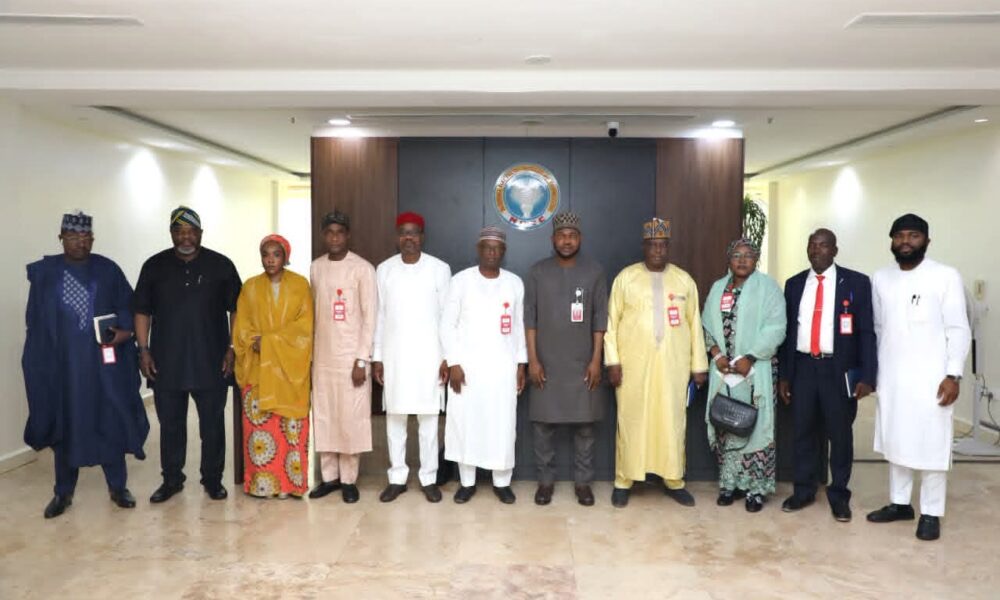
Regulators pledge technical support, capacity building and stronger oversight to drive electricity market development in Nasarawa State.
The Nasarawa State Electricity Regulatory Commission (NASERC) has sought stronger collaboration with the Nigerian Electricity Regulatory Commission (NERC) to support the development and effective regulation of the state’s emerging electricity market.
The move followed a courtesy and familiarisation visit by a NASERC delegation to NERC on Wednesday, November 25, 2026, led by the commission’s Chairman, Engr. Abubakar Bello.
The visit provided an opportunity for both regulatory bodies to discuss issues arising from the transfer of electricity regulatory responsibilities to the Nasarawa State Government under the Electricity Act 2023.
Discussions centred on strengthening institutional capacity, promoting regulatory consistency and establishing effective oversight mechanisms for the state’s evolving electricity market.
Receiving the delegation, NERC Chairman, Dr. Musiliu Oseni, reaffirmed the commission’s commitment to supporting State Electricity Regulatory Commissions (SERCs) as they assume greater responsibility for regulating electricity markets within their jurisdictions.
Oseni stressed that cooperation between federal and state electricity regulators was critical to building a stable, efficient and sustainable power sector capable of delivering improved services to consumers.
He assured the NASERC delegation of NERC’s readiness to provide technical assistance, share regulatory expertise and make its institutional experience available to support the effective regulation of the Nasarawa electricity market.
According to him, continuous engagement, knowledge sharing and capacity development are essential to strengthening regulatory institutions and ensuring effective electricity market governance across the country.
Key areas discussed during the meeting included regulatory capacity development, institutional strengthening, electricity market governance and regulatory best practices.
Other areas of focus were distribution network operations and licensing frameworks, Independent Electricity Distribution Networks (IEDNs), boundary metering, market settlement arrangements and regulatory oversight of the subsidiary operations of the state’s distribution company.
At the end of the meeting, both commissions agreed to sustain their partnership through technical assistance, capacity-building programmes, regular stakeholder engagements and the exchange of regulatory knowledge.
The collaboration is expected to support the successful development of the Nasarawa State electricity market, strengthen regulatory oversight and improve electricity service delivery to consumers.

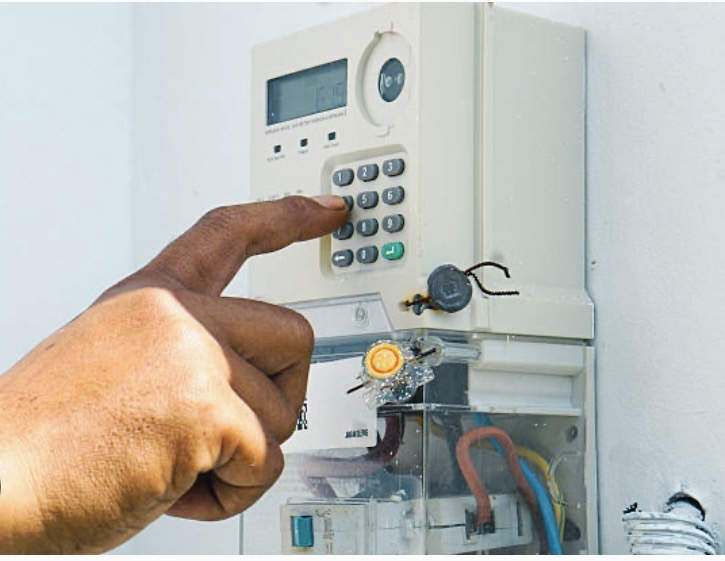
Eko, Ikeja and Abuja lead DisCos in metering performance, but more than 35% of active electricity customers remain without meters.
Nigeria’s electricity metering rate increased to 64.69 per cent at the end of October 2026, from 63.99 per cent recorded in September, as electricity distribution companies (DisCos) installed an additional 144,694 meters during the month.
The Nigerian Electricity Regulatory Commission (NERC) disclosed this in its latest factsheet released on Thursday, highlighting continued efforts to reduce the country’s electricity metering gap.
According to the report, the number of metered electricity customers across the 11 distribution companies rose to 8,352,714 in October, representing 64.69 per cent of the 12,912,114 active customers nationwide.
However, the number of new meters installed in October was lower than the 162,455 recorded in September, indicating a slowdown in the monthly rate of meter deployment.
A breakdown of the performance of the distribution companies showed that Eko Electricity Distribution Company (EKEDC) recorded the highest metering rate at 91.68 per cent, followed by Ikeja Electric at 88.37 per cent and Abuja Electricity Distribution Company (AEDC) at 83.24 per cent.
The figures place the three distribution companies ahead of their counterparts in terms of the proportion of active customers with electricity meters.
Despite the improvement, the national metering rate shows that more than 35 per cent of active electricity customers were still without meters as of October 2026.
The persistent metering gap remains a major challenge in Nigeria’s electricity sector, with unmetered customers often exposed to estimated billing, raising concerns about billing transparency, consumer protection and confidence in electricity distribution companies.
Metering is considered essential to ensuring accurate electricity billing, reducing disputes between consumers and distribution companies, and improving accountability in the power sector.
NERC said its factsheet provides regular updates on the metering performance of electricity distribution companies as part of efforts to monitor developments and track progress in the Nigerian Electricity Supply Industry.


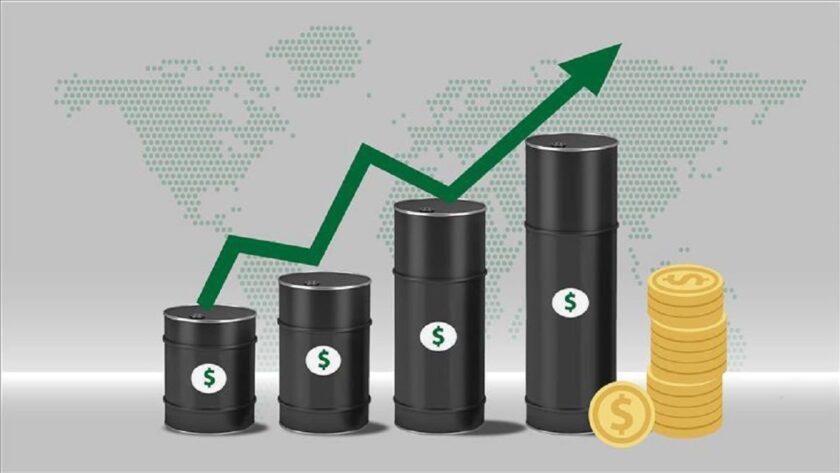
- Brent crude rises to $95.30 per barrel
- Renewed Middle East tensions threaten oil exports
Global crude oil prices rebounded in early Asian trading on Thursday following fresh reports of tankers striking mines in the Strait of Hormuz and a Houthi attack on Saudi Arabia’s Ras Tanura refinery, heightening concerns over potential disruptions to global oil supplies.
Brent crude was trading at $95.30 per barrel, while US benchmark West Texas Intermediate (WTI) stood at $84.36 per barrel at the time of reporting.
According to reports by Oilprice.com, the recovery followed several days of declining prices, during which investors focused largely on forecasts of an impending global oil supply surplus, despite mounting reports of security incidents in the strategically important Strait of Hormuz.
However, the growing frequency of reported tanker incidents, alongside data indicating reduced average daily energy commodity shipments through the waterway, appears to have renewed market concerns about supply constraints.
Oilprice.com, quoting reports by Iranian state media, disclosed that tankers striking mines in the Strait of Hormuz have become increasingly frequent, with multiple incidents reported on some days. The developments have prompted tanker-tracking firms, including Kpler, to report declining average daily crude oil flows out of the Persian Gulf.
The figures suggest that crude exports from the region remain significantly below pre-war levels, following the initial attacks by the United States and Israel against Iran at the end of February.
Market sentiment was further affected by the Houthi attack on Saudi Arabia’s Ras Tanura refinery, one of the kingdom’s largest refining facilities.
Located along Saudi Arabia’s eastern coast on the Persian Gulf, the refinery forms part of a major oil production and export hub, making any threat to its operations a significant concern for global energy markets.
The latest developments have reinforced fears that the widening Middle East conflict could undermine efforts to restore oil shipments and worsen supply disruptions.
ANZ analyst Daniel Hynes, commenting on the situation, said the expansion of the conflict could threaten the recent recovery in oil flows.
“The broadening of the Middle East conflict threatens to halt the recovery in oil flows in recent weeks. Persian Gulf crude exports rose last week but remain on a declining trend,” Hynes said, according to Reuters.
Meanwhile, energy analyst John Kemp observed that although global oil inventories increased in October, the build-up was supported by measures that could prove difficult to sustain.
He noted that the increase had been underpinned by a US-organised shuttle operation and naval blockade targeting Iran, warning that the strategy was expensive to maintain and could face financial and operational constraints in the medium term.
The renewed security threats have therefore introduced fresh uncertainty into the oil market, as traders weigh concerns over supply disruptions against expectations of a potential global crude surplus.



-

 Energy1 year ago
Diesel falls to ₦979/L in Lagos
-

 Law & Crime1 year ago
EFCC vs Yahaya Bello: Court adjourns ₦80.2b alleged fraud trial to Nov 11
-

 Business9 years ago
The 9 worst mistakes you can ever make at work
-
Art & Life9 years ago
These ’90s fashion trends are making a comeback in 2017
-
Entertainment9 years ago
The final 6 ‘Game of Thrones’ episodes might feel like a full season
-
Art & Life9 years ago
According to Dior Couture, this taboo fashion accessory is back
-
Business9 years ago
3 Ways to make your business presentation more relatable
-
Entertainment9 years ago
The old and New Edition cast comes together to perform