
Maritime
CRFFN Bans Illegal Cargo Charges at Ports, Along Roads, Threatens Sanctions

The Council for the Regulation of Freight Forwarding in Nigeria (CRFFN) has prohibited the imposition and collection of unauthorised charges on cargo moving into or out of the country, warning that offenders will face sanctions in line with the law.
The Registrar and Chief Executive Officer of the council, Dr Kingsley Igwe, disclosed this, saying CRFFN had issued a circular two weeks ago directing an end to unofficial charges at seaports and along road corridors.
Igwe explained that illegal fees imposed on cargo contribute to rising commodity prices and increased logistics costs for businesses, thereby adding to the cost of doing business in the country.
He, however, clarified that statutory payments, including import duties and service charges duly approved by relevant regulatory agencies, remained legitimate and enforceable.
“Any other fees outside these approved charges are not allowed,” he said, warning that individuals or organisations found collecting unauthorised payments would be dealt with in accordance with the law.
The registrar said the council was also strengthening its licensing framework to identify legitimate operators and curb the activities of practitioners operating outside the established regulatory system.
He disclosed that more than 1,000 applications had been processed under the new licensing scheme introduced this year.
According to him, CRFFN currently has close to 10,000 registered freight forwarders, comprising individual practitioners and corporate entities.
He said the council projected that the number of licensed corporate entities would increase to between 20,000 and 25,000 within five years, while more than 40,000 individual practitioners would be certified within the same period.
Igwe added that the licensing exercise was expected to generate over N30 billion annually.
He explained that CRFFN, established in 2007 under Act No. 16, was mandated to professionalise freight forwarding, establish industry standards, issue licences and regulate practitioners in line with international best practices.
Describing freight forwarding as a critical component of Nigeria’s economic development, he said the industry generated an estimated N2 trillion to N3 trillion annually and had significant potential to contribute to the Federal Government’s $1 trillion economic ambition by 2030.
He noted that about 90 per cent of international trade cargo was transported by sea, while the remaining goods moved through air transport, making freight forwarders indispensable to the country’s import and export activities.
According to him, effective cargo handling requires specialised knowledge of international trade conventions and shipping documentation, including bills of lading and airway bills.
The CRFFN chief executive also disclosed that the council had commenced a nationwide training programme aimed at improving staff capacity and strengthening its regulatory operations.
He said the maiden training session began in Lagos, with subsequent sessions scheduled to cover Port Harcourt for the South-South and South-East zones, Abuja for the North-Central zone and Kano for the northern region.
Igwe said the programme was designed to equip council staff with the professional knowledge and skills required to regulate the freight forwarding industry effectively and improve service delivery.
He added that the council’s ultimate objective was to ensure that freight forwarding in Nigeria was handled by properly trained, licensed and accountable professionals capable of meeting international standards.

The Nigerian Port Economic Regulatory Agency (NPERA) has begun implementing its enabling law to address high port charges, poor service delivery and other challenges driving up the cost of doing business in Nigeria’s maritime sector.
The agency also plans to achieve financial independence through revenue generation as part of efforts to establish a sustainable regulatory framework for the industry.
Its Director-General, Dr Pius Akutah, disclosed this on Monday at the opening of a three-day Strategic Management Brainstorming Programme for Directors, Deputy Directors and Assistant Directors of NPERA in Lagos.
Akutah said the agency’s immediate priorities in its transition from the Nigerian Shippers’ Council (NSC) included ensuring financial sustainability, preventing regulatory gaps, protecting the interests of maritime stakeholders and strengthening confidence in the new regulatory structure.
He explained that the transition required strategic planning to enable the agency to discharge its responsibilities effectively, communicate its regulatory expectations to stakeholders and establish the institutional, legal and operational structures necessary to fulfil its mandate.
According to him, NPERA is also intensifying efforts to sensitise port operators, users and other industry stakeholders on the provisions of its enabling law, particularly their rights, responsibilities and limitations under the new regulatory framework.
The Director-General noted that the agency had statutory powers to address persistent complaints about poor service delivery, excessive port charges and the lack of competitiveness in the maritime sector.
He said the establishment of NPERA was driven partly by the need to resolve these challenges and create a more competitive operating environment for shippers and other port users.
“That is one of the reasons why NPERA, as a law, was passed. We are looking at several complaints regarding failure of service in the sector, regarding non-competitiveness of our port sector, regarding all of these issues and that is why the law was passed,” he said.
Akutah disclosed that internal implementation activities were already underway, adding that the agency would continue to clarify its regulatory responsibilities and encourage stakeholder participation throughout the transition process.
He further revealed that NPERA planned to engage the National Assembly to brief lawmakers on the progress made in implementing its enabling legislation.
He said lawmakers were particularly interested in understanding how the new regulatory framework would translate into lower prices of goods, reduced import charges and an overall reduction in the cost of doing business.
According to him, the agency would present its implementation milestones, including the unveiling of its identity and logo by the supervising minister, the establishment of the Transitional Implementation Committee and the commencement of engagements with relevant government agencies.
Meanwhile, the Managing Partner of Paul Usoro & Co., Mfon Usoro, stressed the need for a clearly defined organisational structure to ensure effective coordination among NPERA’s departments and other maritime regulatory agencies.
Usoro, a former President of the Chartered Institute of Transport and Logistics (CILT) Nigeria, said clearly defined responsibilities would prevent duplication of functions, minimise interdepartmental conflicts and improve operational efficiency.
She also emphasised the importance of establishing a competent, skills-based governing board with the technical knowledge, professional expertise and institutional capacity required to provide effective oversight and protect the interests of port users and service providers.
According to her, board members must have a sound understanding of the agency’s operations and financial requirements to make informed decisions on strategic direction, management plans, budgets, performance targets and accountability.
She identified regulatory and legal knowledge, dispute resolution, financial management, mediation, port operations and maritime economics as essential competencies for an effective governing board.
Usoro said board members must understand NPERA’s enabling legislation, tariff and competition regulations, as well as the wider legal and regulatory framework governing the maritime industry.
She added that financial literacy was necessary to enable members to scrutinise budgets, examine expenditure patterns and demand explanations for underutilised funds or poor budget performance.
The maritime lawyer further noted that expertise in dispute resolution would equip the board to intervene in major disagreements between port service providers and users, particularly where management-level efforts had failed to resolve such disputes.
She also stressed the need for members with practical knowledge of port operations, terminal concessions and maritime economics, saying such expertise would help the board understand industry cost drivers and make informed decisions capable of supporting the sustainable development of Nigeria’s maritime sector.

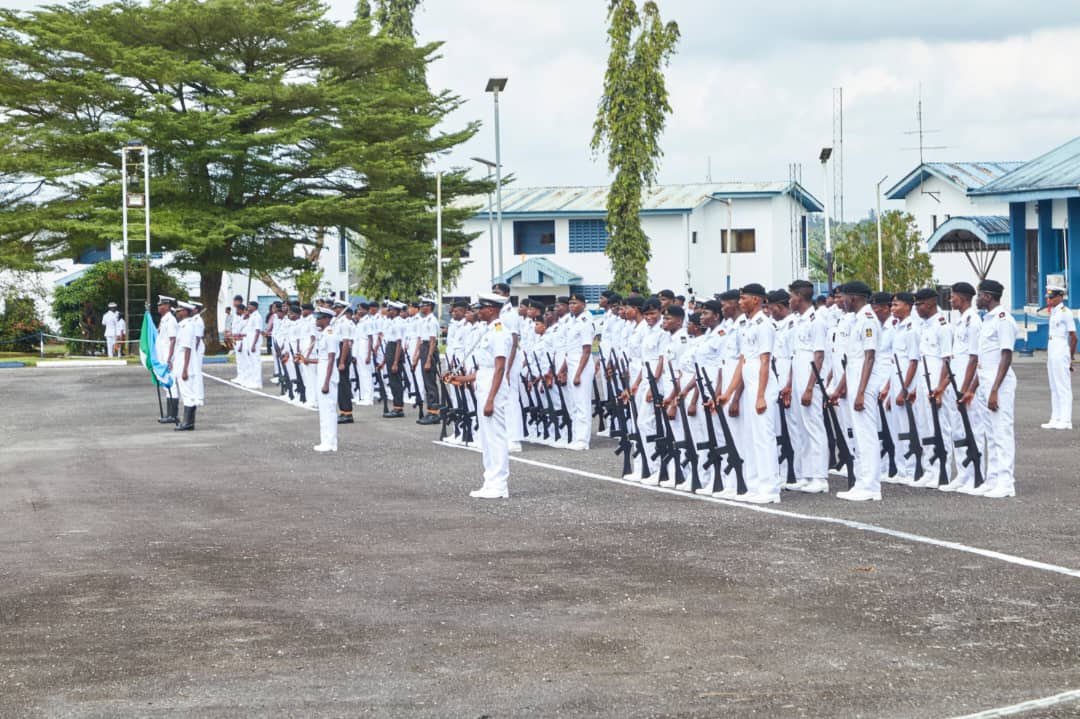
The Maritime Academy of Nigeria (MAN), Oron, has secured sea-time placements for more than 50 cadets on internationally trading vessels, including 43 currently training aboard ships operated by NLNG Shipping and Marine Services Limited (NSML), as the institution intensifies efforts to prepare Nigerian seafarers for global employment.
The placements address one of the maritime industry’s persistent manpower challenges: access to mandatory onboard training required for cadets to obtain professional certification and qualify for seafaring careers.
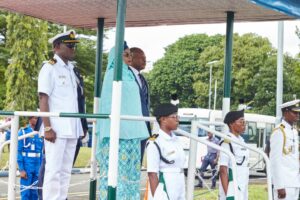
The Minister of Marine and Blue Economy, Dr Adegboyega Oyetola, represented by the ministry’s Permanent Secretary, Fatima Sugra Mahmood, disclosed this at the academy’s 2026 cadets’ graduation ceremony in Oron, Akwa Ibom State.
Oyetola said the Federal Government was committed to ensuring that maritime education translated into meaningful employment, internationally recognised qualifications and a skilled workforce capable of supporting the country’s shipping industry.
“For the Federal Government, the ultimate objective of maritime education is not simply to produce graduates, but to develop competent professionals who can find meaningful employment, compete internationally and contribute to the growth of our marine and blue economy,” he said.
The minister commended NSML, the Shipowners Association of Nigeria, Starzs Investment Limited, Sea Transport Services Nigeria Limited, Arion Energy Services Limited and other industry partners for providing onboard training opportunities.
“I encourage more indigenous shipowners and maritime operators to embrace this responsibility. Providing sea-time opportunities is not merely a contribution to the Academy; it is an investment in the future of Nigeria’s shipping industry,” he said.
The Acting Rector of the academy, Dr Kevin Okonna, said the institution had placed more than 50 cadets on internationally trading ships since its November 2025 graduation ceremony, including the 43 cadets undertaking their mandatory one-year sea service aboard NLNG vessels.
He added that reports on the cadets’ performance had been impressive, ranging from very good to excellent in both professional competence and character.
He also announced that arrangements had been concluded with NSML to sponsor another batch of cadets for sea-time training aboard its vessels.
Beyond onboard training, Okonna said the academy had strengthened its quality assurance and international partnerships, securing ISO 9001:2015 certification for quality management and ISO 21001:2025 certification for educational organisations through the Standards Organisation of Nigeria earlier this year.
With support from the Nigerian Maritime Administration and Safety Agency (NIMASA), the academy, he said, also won a competitive expression of interest to partner with the International Maritime Organization and the World Maritime University on the Future Ready Shipping in Africa project, which supports integrated pilot initiatives for green and digital shipping in sub-Saharan Africa.
The rector said all cadets were registered with professional bodies, including the Nautical Institute, UK; the Institute of Marine Engineering, Science and Technology; the Chartered Institute of Logistics and Transport; or the Chartered Institute of Transport Administration.
In his goodwill message, NSML Managing Director, Abdulkadir Ahmed, reaffirmed the company’s commitment to developing Nigerian maritime professionals through structured training and industry partnerships.
“Our partnership with the Maritime Academy of Nigeria, including the training collaboration facilitated through our Maritime Centre of Excellence, reflects this commitment,” Ahmed said.
He said classroom instruction must be complemented by practical skills, discipline and safety consciousness to develop professionals capable of meeting international maritime standards.
The graduation ceremony also featured the official launch of the academy’s Enterprise Content Management System (ECMS), designed to move administrative operations from manual, paper-based processes to a more efficient, transparent and secure digital environment.
Oyetola said the system aligned with the Federal Government’s digital transformation reforms, aimed at improving efficiency, accountability and public service delivery. He urged the academy’s management to ensure its effective use and sustainability.
He further stressed that the academy’s performance should be measured not only by the number of graduates it produces but also by their transition into professional certification and productive maritime careers.
The minister urged the graduating cadets to uphold discipline, integrity and safety, embrace emerging technologies and pursue continuous professional development as they enter an increasingly competitive global shipping industry.
“Wherever your careers take you, whether onboard Nigerian vessels or international fleets, remember that you represent not only yourselves and this Academy but also the Federal Republic of Nigeria,” he said.

By Monireoluwa Lucas
Africa risks losing further ground in the global shipping industry as a shortage of internationally certified seafarers and maritime professionals continues to limit the continent’s ability to compete in an increasingly technology-driven sector.
The Manager of Training and Maritime Centre of Excellence (MCOE) at Nigerian Maritime Services Limited (NSML), Dr Effiong Ekanem-Attah, raised the concern at the 2026 Maritime Training Institute organised by the Association of Maritime Journalists of Nigeria (AMJON) in Lagos.
Ekanem-Attah, who represented the Managing Director of NSML, Abdulkadir Kere Ahmed, said the global maritime industry was becoming increasingly regulated, technology-driven and dependent on skilled professionals capable of operating under international standards.
Speaking on the theme: “The Power of Innovation in a Future-Ready Maritime Training Agenda,” he said digitalisation, decarbonisation, automation and stricter safety requirements were reshaping shipping and increasing demand for competent maritime professionals.
He said that despite Africa’s strategic maritime location and extensive coastline, the continent had struggled to produce sufficient internationally certified seafarers to meet the demands of the global maritime labour market.
According to him, limited access to quality maritime training, inadequate simulator facilities, accreditation challenges and insufficient opportunities for practical sea-time were among factors responsible for the skills gap.
The situation, he said, had compelled many shipping companies operating in Africa to rely heavily on expatriates for critical technical and operational positions.
“Consequently, many shipping companies operating in and out of Africa have relied heavily on expatriate personnel for critical technical and operational roles,” he said.
Ekanem-Attah said closing the gap would require an integrated maritime manpower development system combining education, professional certification, practical sea-time, mentorship, technology, research and industry collaboration.
He said the NSML Maritime Centre of Excellence on Bonny Island, Rivers State, was established as part of efforts to address longstanding maritime manpower challenges.
According to him, the centre combines maritime training, simulator-based learning, sea-time development, professional certification support, research, consultancy and industry partnerships.
Ekanem-Attah said the centre had secured international accreditations, including ISO 9001:2015 Quality Management System, DNV standards for maritime simulator and training centres, United Kingdom Maritime and Coastguard Agency accreditation for six courses, Nautical Institute accreditation for Dynamic Positioning programmes, as well as accreditations from Marshall Islands, Bermuda and the Nigerian Maritime Administration and Safety Agency (NIMASA).
He said the accreditations would enable Nigerian and other African maritime professionals to obtain globally recognised qualifications locally instead of travelling abroad for specialist training.
The centre, he added, had invested in advanced facilities, including bridge and engine-room simulators and Dynamic Positioning systems, enabling trainees to simulate operational situations, emergency procedures and other risk-sensitive scenarios.
On the challenge of sea-time, Ekanem-Attah said NSML’s Seafarers Continuous Development Programme had provided opportunities for young professionals seeking to meet certification requirements.
He said 272 cadets had completed sea-time training through the programme, while another 54 were either in college or onboard vessels progressing towards professional certification.
“As of August 2026, NSML employs over 700 seafarers and remains the largest employer of qualified Nigerian seafarers,” he said.
Also speaking, the Lagos Port Complex Manager of the Nigerian Ports Authority (NPA), Mr Adebowale Lawal, who represented the Managing Director, Dr Abubakar Dantsoho, said technology alone could not transform the maritime sector without adequate human capital.
Lawal said digitalisation, artificial intelligence, automation, robotics and data-driven logistics were changing global port and shipping operations.
He said the NPA had deployed technology to improve efficiency, transparency, safety and service delivery, citing the Electronic Call-Up System, Electronic Access Control, digital revenue systems, vessel management platforms and the ongoing development of the Port Community System.
According to him, the Authority was also aligning its processes with the National Single Window to promote greater integration and electronic exchange of information among maritime stakeholders.
“These initiatives demonstrate that the future of our ports will depend increasingly on people who understand and can effectively deploy technology,” he said.
Lawal said maritime training institutions must produce professionals who were technically competent, innovative, adaptable and digitally literate, as the industry moves towards smart ports, autonomous and connected ships, cybersecurity systems, green shipping technologies and data-driven decision-making.
He urged greater collaboration among government, industry and training institutions to develop the manpower required to make Nigeria’s maritime sector globally competitive.
“Let us remember that innovation is not only about machines and technology; it is about people, ideas and the courage to do things better,” he said.
Lawal added that sustained investment in skills development would help Nigeria build a workforce capable of driving safer, smarter, greener and more efficient maritime and port operations.

-

 Energy1 year ago
Diesel falls to ₦979/L in Lagos
-

 Law & Crime1 year ago
EFCC vs Yahaya Bello: Court adjourns ₦80.2b alleged fraud trial to Nov 11
-

 Business9 years ago
The 9 worst mistakes you can ever make at work
-
Art & Life9 years ago
These ’90s fashion trends are making a comeback in 2017
-
Entertainment9 years ago
The final 6 ‘Game of Thrones’ episodes might feel like a full season
-
Art & Life9 years ago
According to Dior Couture, this taboo fashion accessory is back
-
Business9 years ago
3 Ways to make your business presentation more relatable
-
Entertainment9 years ago
The old and New Edition cast comes together to perform