Power
EKEDC transmutes into a Holding Company, registers Excel DisCo

The Eko Electricity Distribution Company Plc (Eko DisCo) has officially registered Excel Electricity Distribution Company Limited as a 100 per cent subsidiary to take over the operations of its electricity distribution business in Lagos State. This is in compliance with Lagos State Government regulatory requirements.
Following the granting of electricity regulatory powers to the states, the Lagos State Electricity Regulatory Commission (LASERC) required Eko DisCo, which operates in two states- Lagos and Ogun States, to register a separate entity for its Lagos State operations. Eko DisCo therefore registered its subsidiary, Excel Electricity Distribution Limited to operate its distribution business under the regulatory oversight of LASERC and Nigeria Electricity Regulatory Commission (NERC).
The EKEDC has subsequently transmuted into a holding company- a structural change in regulatory compliance following the enactment of the Electricity Act (EA) 2023 which devolved regulatory oversight of the electricity market to state governments.
In a statement signed by the EKEDC management yesterday, the utility assured that the development will not impair its operations in the State.
“Management hereby reiterates that Eko Electricity Distribution Company Plc remains a key player and investor in the Lagos electricity ecosystem, committed to delivering reliable, efficient, and sustainable power supply to all customers through Excel Disco. The recent licensing developments represent a regulatory and structural transition, not a takeover or divestment. This clarification became necessary in the interest of factual accuracy and public understanding of important developments in the electricity sector,” the statement said.
It further explained that the newly licensed Excel Electricity Distribution Limited is a 100 per cent subsidiary of EKEDC and will perform all the electricity distribution activities previously done by EKEDC under EKO DISCO. Furthermore, the EKEDC advised all customers of Excel DisCo will continue to be served by the same personnel who served them in EKO DISCO and urged them to pay their bills in the same way they have been paying.
“They will notice the name change as we transition the name from EKODISCO to Excel Disco. For now, they should continue to contact the same personnel they normally contact for all their service needs and customer requests,” it advised its customers.
The management was emphatic that the new arrangement does not translate to the sale or takeover of EKEDC, as it remains a legally recognised and operational entity duly incorporated under Nigerian law.
There has been no sale, transfer of ownership, or dissolution of the company. EKEDC also known as Eko DisCo continues to exist as a legal entity, with 60 per cent shareholding retained by West Power and Gas Limited (WPG) — the core investor and the BPE which is holding the balance 40 per cent shareholding on behalf of the Federal government of Nigeria. The company continues to operate under full compliance with good corporate governance and regulatory frameworks,” the management said.

The Federal Government has commenced a review of the assumptions underpinning Nigeria’s electricity tariff model, with a view to adjusting the framework, while ruling out any increase in electricity tariffs in 2027.
The Minister of Power, Joseph Tegbe, disclosed this during an interview on ARISE News on Monday, amid mounting financial challenges in the electricity sector and concerns over outstanding debts owed to power generation companies.
Tegbe said the government was exploring alternative measures to address the sector’s financial difficulties without imposing additional financial burdens on electricity consumers.
“Let me make it categorically clear to Nigerians. And I’ll say it again. There’s no plan to increase tariff,” the minister said.
He explained that his priority was to expand electricity access across the country, adding that the government was considering a concessionary gas pricing arrangement for power generation companies to improve electricity supply.
According to him, the proposed arrangement would ensure that gas suppliers provide fuel to generation companies at affordable rates without undermining the commercial viability of gas businesses.
“I even have, to be honest with you, the most important thing for me, is how do I get electricity to Nigeria? And I’ll tell you, Mr President is saying, we own the gas. People need to give Gencos gas at a particular concessionary rate that is not going to make gas suppliers go out of business. Let’s look at the model,” he said.
The minister also revealed that the government was reviewing the assumptions built into the existing electricity tariff model, noting that some of them might require adjustments.
“Also, we’re looking at assumptions that have been built into the tariff model. There’s a possibility that some of those assumptions may need to be revised. But rule out tariff increase,” Tegbe stated.
He maintained that the government was prepared to reconsider existing policies and operational arrangements in the power sector to improve electricity supply and expand access to consumers.
“I’m re-evaluating many things. And I have no boundary. The only boundary and guiding principle I have is re-evaluate everything, re-jig whatever you can re-jig, as long as you can give Nigeria electricity access.
“I will tell you, tariff increase is not on the plates. Tell Nigerians for me,” he added.
The assurance comes as the Federal Government continues to grapple with mounting financial obligations to power generation companies and other challenges affecting the electricity value chain.
The sector has faced persistent liquidity constraints, with outstanding debts and payment difficulties affecting gas supply, power generation and distribution.
Tegbe had earlier, in September, ruled out an increase in electricity tariffs, saying the government’s priority was to improve power supply and strengthen the financial and physical infrastructure of the sector rather than impose additional costs on consumers.
· 4,704,223 customers unmetered
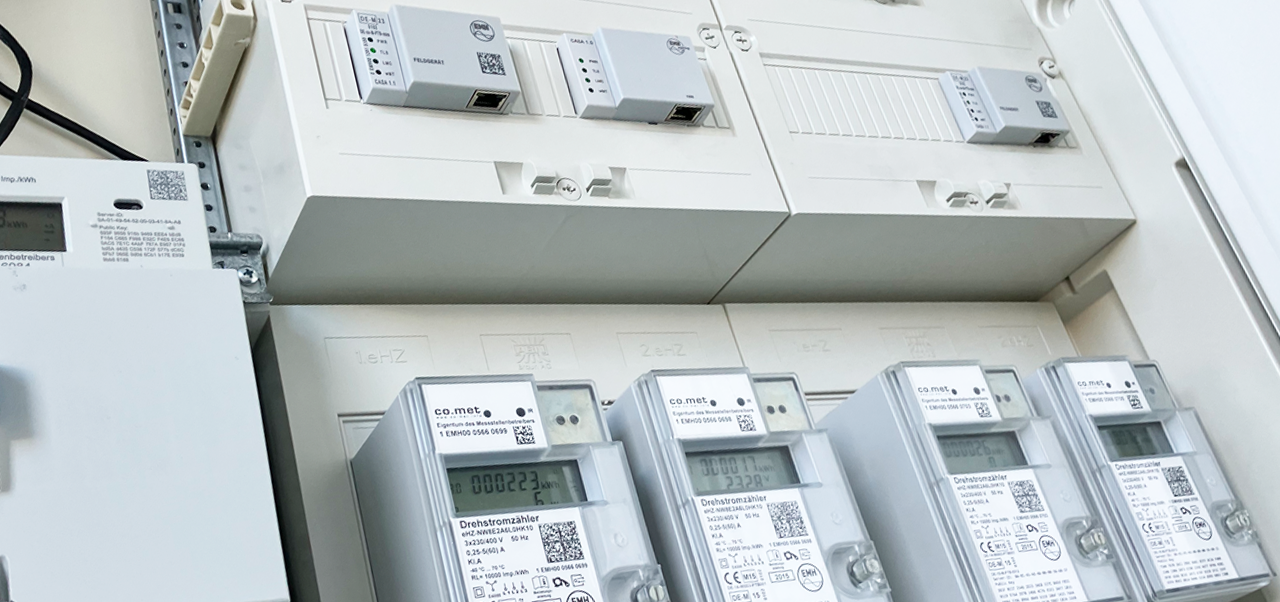
The Nigerian Electricity Regulatory Commission (NERC) has revealed that national metering rate rose to 63.10 per cent in August 2026 from the 62.37 per cent in July 2026.
This was contained in the latest Metering Factsheet the commission released yesterday.
“The national metering rate increased to 63.10 per cent by the end of August, up from 62.37 per cent in July,” the report said. Of the 12,749,789 active customers in the Nigerian Electricity Supply Industry (NESI), NERC disclosed that 4,704,223 customers, representing 37 per cent were unmetered in August, while 8,045,565 were metered.
On the deployment of meters, the factsheet revealed that the electricity distribution companies (DisCos) metered additional 141,746 customers in the period under review, compared with 159,980 in July.
With 89.64 per cent, Eko DisCo topped the chart of deployment while Ikeja hit 87.74 per cent and Abuja recorded 82.62 per cent.
In terms of coverage, the total number of metered customers across all DisCos reached 8,045,565 out of 12,749,789 active customers in August.
The July & August 2026 Metering Status of Distribution Companies (DisCos) factsheet highlights continued progress in customer metering across the country.
It reads in part: “National Progress: The national metering rate increased to 63.10 per cent by the end of August, up from 62.37 per cent in July.
“Meter Deployment: DisCos metered 141,746 additional customers in August, compared with 159,980 in July.
Leading DisCos: Eko (89.64 per cent), Ikeja (87.74 per cent) and Abuja (82.62 per cent) recorded the highest metering rates in August.
“Total Coverage: As of August 2026, the total number of metered customers across all DisCos reached 8,045,565 out of 12,749,789 active customers.
“Leading DisCos: Eko (89.64 per cent), Ikeja (87.74 per cent) and Abuja (82.62 per cent) recorded the highest metering rates in August.
“Total Coverage: As of August 2026, the total number of metered customers across all DisCos reached 8,045,565 out of 12,749,789 active customers.”
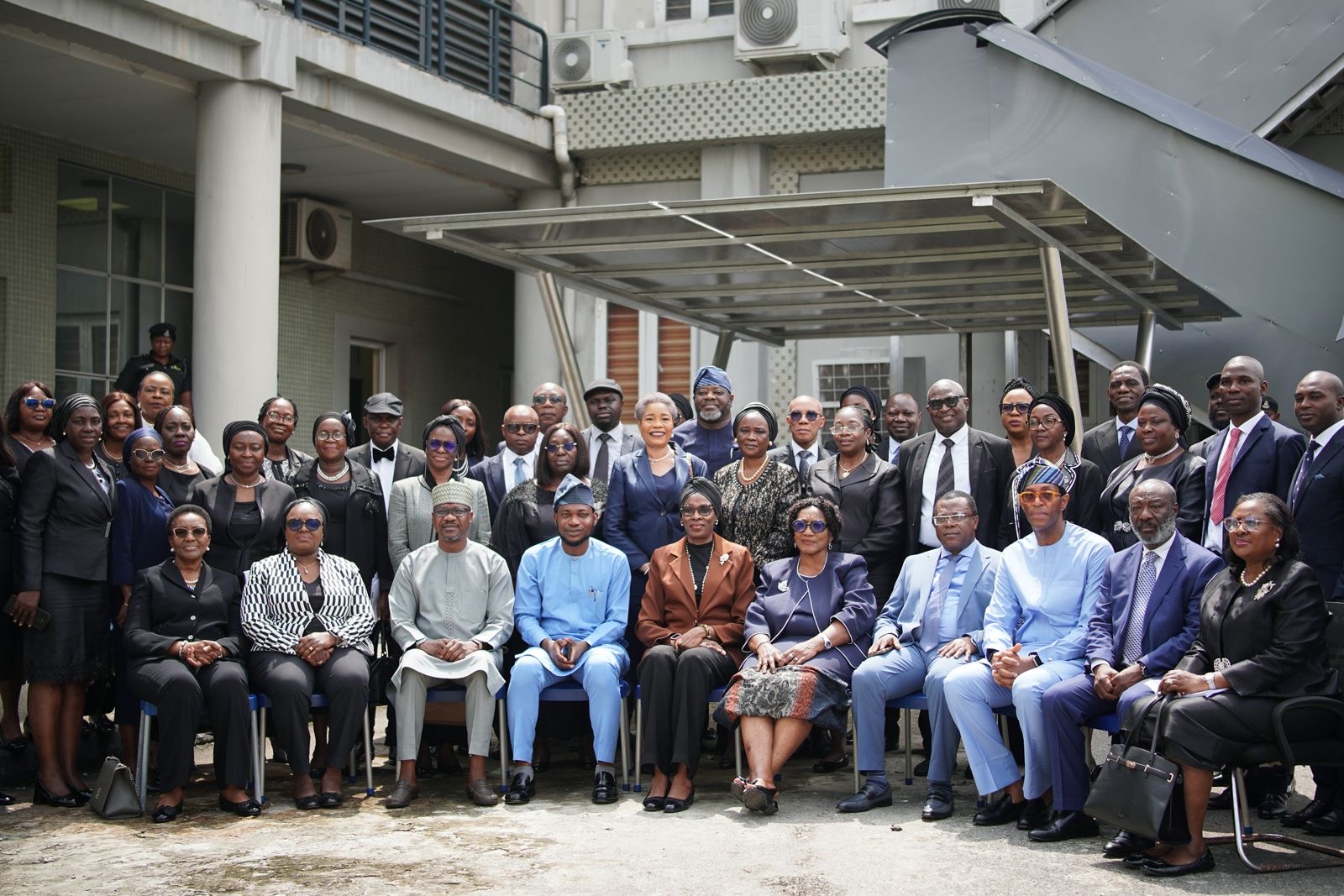
Judges and critical stakeholders in the Lagos State Judiciary service today began a three-day workshop aimed at deepening the judiciary’s understanding of the evolving legal and regulatory framework governing Nigeria’s electricity market.
The workshop, organised by the Nigerian Electricity Regulatory Commission (NERC), under the aegies of its Regional Seminar for Judges of State High Courts programme, is holding at the Lagos State High Court Annex, Osborne , Ikoyi, Lagos. It has as its theme: “Nigeria’s Electricity Market in Transition: Law, Regulation and the Courts.”
Speaking at the opening session yesterday, the NERC Chairman, Dr. Musiliu Oseni, stressed the need for stronger collaboration with the judiciary to ensure the success of Nigeria’s ongoing electricity market reforms, saying well-informed judicial decisions are critical to sustaining investor confidence, protecting consumers and advancing the country’s power sector.
Dr. Oseni described electricity as one of the country’s most strategic national priorities after security, noting that virtually every sector of the economy depends on reliable electricity. He explained that the seminar was designed to provide judicial officers with a deeper understanding of the technical, commercial and legal issues shaping the electricity sector as Nigeria implements far-reaching reforms introduced under the Electricity Act 2023.
Oseni noted that following the constitutional amendment of March 2023 and the enactment of the Electricity Act, Nigeria’s electricity industry has entered a new phase of decentralisation, allowing states to establish and regulate their own electricity markets.
He emphasised that the objective of the seminar was not to influence judicial independence but to familiarise judges with the technical nature of the electricity industry so they can better appreciate the complexities involved when adjudicating electricity-related disputes.
“The intention is not to interfere with the course of justice but to expose My Lords to the intricacies of the electricity sector. Better understanding of the industry will ultimately support sound judicial decisions that strengthen the sector,” he stated.
He disclosed that NERC has already transferred regulatory oversight to 16 states, describing the development as a major milestone in Nigeria’s electricity reform agenda.
According to him, the decentralisation of electricity regulation will improve consumer protection, bring regulatory institutions closer to electricity users, enable quicker resolution of customer complaints and allow tariff decisions to reflect local economic realities.
While acknowledging the benefits of the reforms, the NERC Chairman said they have also introduced fresh legal and regulatory challenges that require the judiciary’s understanding.
Dr. Oseni cautioned that the transition introduces new legal complexities, explaining that disputes in the electricity sector would no longer be limited to consumers, operators and the national regulator but could also involve state electricity regulators, multiple regulatory agencies and electricity market participants operating across different jurisdictions.
“As we speak today, the Commission has already issued transfer orders to 16 states, enabling them to assume regulatory oversight of their respective electricity markets,” he disclosed.
Oseni cited a 2016 court judgment which, according to him, prevented the Commission from fully exercising its regulatory powers and contributed to electricity subsidy liabilities estimated at ₦520 billion in 2019, equivalent to nearly ₦2 trillion at current exchange rates.
The NERC boss further disclosed that the seminar would feature presentations by Nigerian and international electricity experts who would share practical experiences, analyse previous judicial decisions affecting the sector and engage participants in discussions on emerging legal issues arising from Nigeria’s electricity market reforms.
He encouraged judges to actively participate in the sessions by asking questions and sharing perspectives, expressing confidence that the interaction would foster stronger collaboration between regulators and the judiciary.
Delivering a goodwill message on behalf of the Chief Judge of Lagos State, Honourable Justice Kazeem Aloba, the Administrative Judge of Lagos Division, Honourable Justice Atinuke Ipaye welcomed the Commission’s initiative, describing it as timely and necessary.
Justice Ipaye observed that electricity remains one of Nigeria’s most critical development issues, affecting homes, businesses and public institutions alike.
“There is hardly any Nigerian who is not affected by electricity, whether through generation, transmission, distribution, metering or payment. The sector touches every aspect of our daily lives,” she remarked.
She noted that the liberalisation of the electricity industry has introduced new market participants, including generation companies (GenCos) and distribution companies (DisCos), making continuous judicial education necessary to keep pace with the sector’s evolution.
She urged judges to take advantage of the three-day seminar to deepen their understanding of the industry’s legal and commercial realities, saying such knowledge would improve the quality of judicial decisions in electricity-related disputes.
The Regional Seminar for Judges of State High Courts will feature technical presentations, panel discussions and case studies led by Nigerian and international experts as part of NERC’s efforts to strengthen judicial capacity and enhance collaboration between the judiciary and electricity regulators in support of Nigeria’s ongoing electricity market reforms.
The programme forms part of NERC’s broader efforts to deepen institutional collaboration with the judiciary as Nigeria continues its transition towards a decentralised and more competitive electricity market.



-

 Energy1 year ago
Diesel falls to ₦979/L in Lagos
-
 Law & Crime1 year ago
EFCC vs Yahaya Bello: Court adjourns ₦80.2b alleged fraud trial to Nov 11
-

 Business9 years ago
The 9 worst mistakes you can ever make at work
-
Art & Life9 years ago
These ’90s fashion trends are making a comeback in 2017
-
Entertainment9 years ago
The final 6 ‘Game of Thrones’ episodes might feel like a full season
-
Art & Life9 years ago
According to Dior Couture, this taboo fashion accessory is back
-
Business9 years ago
3 Ways to make your business presentation more relatable
-
Entertainment9 years ago
The old and New Edition cast comes together to perform