
News
Lagos to launch ‘Ounje Eko’ Farmers’ subsidy Phase II ahead yuletide

By Grace Edet
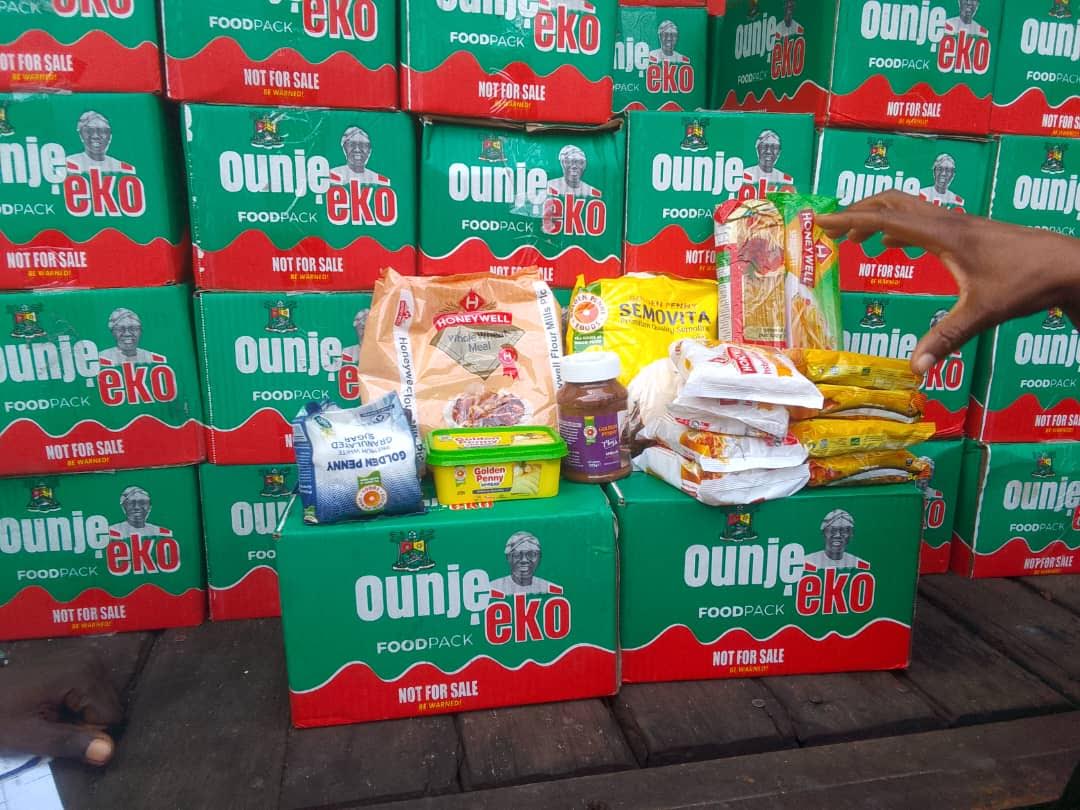
The Lagos State Government has announced plans to roll out the second phase of the ‘Ounje Eko’ Farmers’ Subsidy Programme before the end of the month.
The initiative is aimed at supporting farmers across the state and enhancing access to quality feed to boost production.
Lagos State Commissioner for Agriculture and Food Systems, Abisola Olusanya, made the announcement during a press conference at Alausa, Ikeja, describing the initiative as a “critical intervention of the Babajide Sanwo-Olu administration” designed to sustain food production, empower farmers, and stabilise food prices, especially during the yuletide season.
“Building on the success of the first phase, Governor Sanwo-Olu has approved Phase II to expand the programme’s reach and scope, providing greater support to farmers across different value chains,” Olusanya said.
The commissioner noted that the first phase, launched earlier this year, directly benefited over 5,000 farmers, supplying 993.3 metric tons of poultry feed and 265.65 metric tons of fish feed. She said the programme sustained 258,000-layer birds, resulting in over seven million eggs and 177,100 catfish, with egg prices dropping from ₦6,000 per crate to between ₦5,000 and ₦5,400.
Phase II will introduce a 25 per cent subsidy on poultry feed, including layer mash, broiler starter, and finisher—alongside a 25 per cent subsidy on fish feed. Other interventions include free distribution of grains to pig farmers, and the provision of agricultural equipment and inputs to crop farming clusters to promote mechanisation and reduce manual labour.
The programme will operate across 10 strategic locations, including Farm Service Centre, Agege; Agricultural Training Institute, Araga; Epe Coconut House, Mowo; Badagry Fish Farm Estate, Odongunyan; Erikorodo Poultry Estate, Ikorodu; Aiyedoto Poultry Estate, Ojo; Ministry of Agriculture Cooperative Office, Ajah; and the Armed Forces Resettlement Centre.
Olusanya emphasised that participation will be restricted to registered farmer associations such as the Poultry Association of Nigeria, Lagos State Chapter (PAN-LAG); Lagos State Catfish Allied Farmers Association of Nigeria (LASCAFAN); and Farm Estate and Settlement Associations, to ensure transparency and accountability.
The state government advised farmers to register with relevant associations to benefit from the support, reiterating its commitment to strengthening the state’s food security and agricultural value chains.

By Monire-Oluwa Lucas
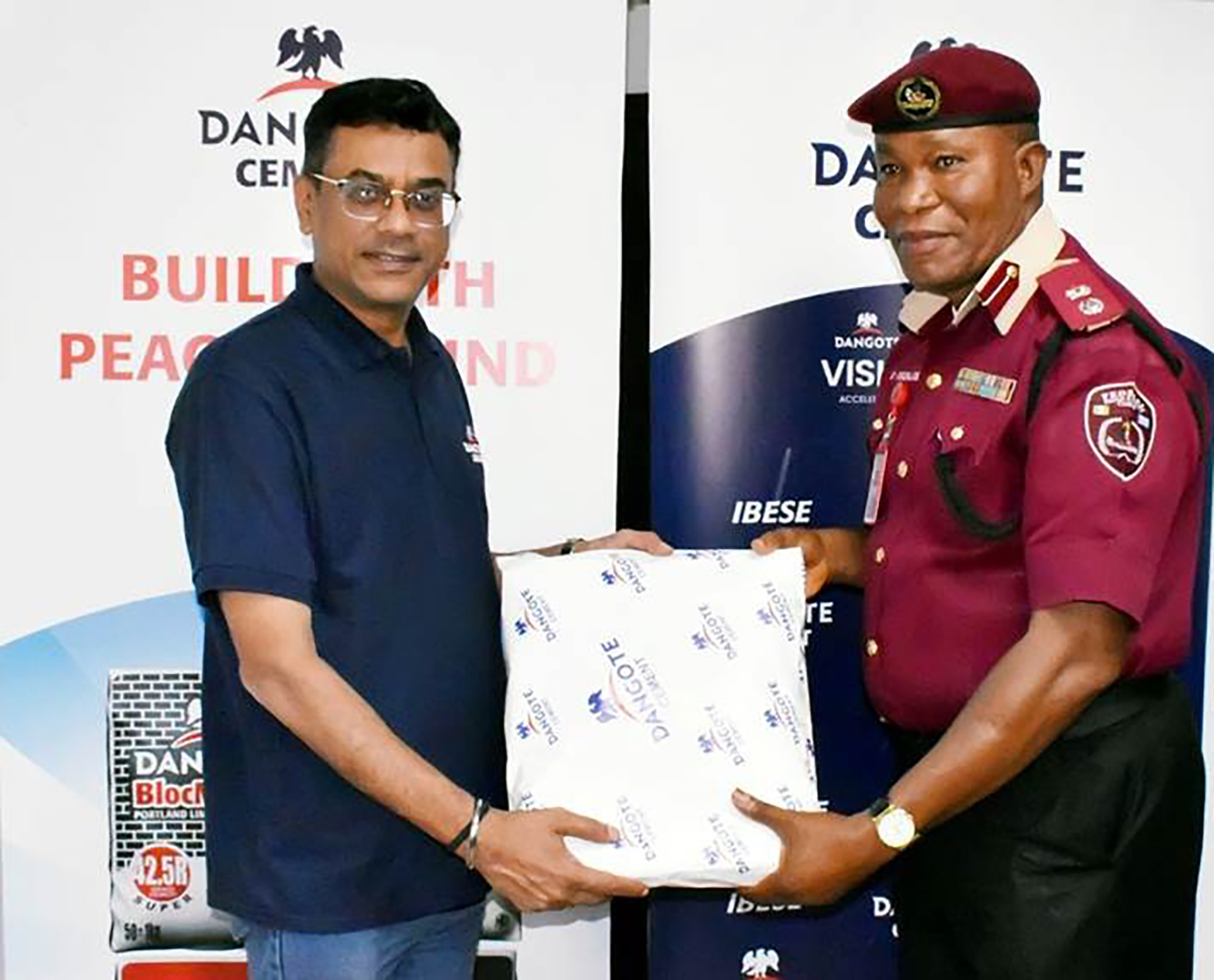
Efforts aimed at further enhancing road safety in Ogun State received a boost following fresh collaborative engagement between the Dangote Cement Plc, Ibese Plant and the State Sector Command for safer road use and general safety advocacy.
Dangote Cement Plc, Ibese Plant reaffirmed its commitment to promoting safer roads and strengthening stakeholder collaboration as it received the newly deployed Ogun State Sector Commander of the Federal Road Safety Corps (FRSC), Corps Commander Oludare Ogunjobi, and members of his management team on a courtesy visit to the plant.
Speaking during the engagement, Ogunjobi commended Dangote Cement for its consistent support to the FRSC and its contribution to road safety initiatives over the years pointing out that the company has established itself as one of the Corps’ most reliable corporate partners through its commitment to safety and responsible transportation practices.
He said: “Dangote Cement has remained a dependable partner of the Federal Road Safety Corps over the years, and we deeply appreciate the support we have continued to receive from the company. As an organisation with extensive logistics and transportation operations, Dangote Cement understands the importance of safety on our roads. This shared commitment provides a strong foundation for even greater collaboration between our two institutions.”
The Sector Commander emphasised that promoting a culture of safety requires continuous engagement with stakeholders, particularly organisations that operate large fleets of vehicles and professional drivers.
“Road safety is not the responsibility of FRSC alone. It requires collective action from government agencies, private sector organisations, transport operators, and road users. We believe there is significant potential for us to work more closely with Dangote Cement in driving safety awareness and improving compliance with road traffic regulations,” he stated.
As part of the proposed areas of cooperation, Ogunjobi advocated the establishment of an FRSC Special Marshal Unit within the Ibese Plant, noting that the initiative would strengthen safety consciousness among employees and drivers.
“We would like to see the establishment of an in-plant FRSC Special Marshal Unit that will serve as a platform for promoting road safety advocacy and best practices among staff and transport operators. Such a unit will support specialized driver training programmes, regular sensitisation sessions, and proactive safety campaigns aimed at reducing road crashes,” he said.
He further assured the company of the Corps’ readiness to provide technical support through continuous engagement, capacity building and safety enlightenment initiatives that will ultimately benefit not just the company but all road users across the state.
Responding, the Plant Director, Dangote Cement Plc, Ibese, Ayyagri Subbaraidu, described the FRSC as a critical stakeholder in the company’s operations and commended the Corps for its dedication to preserving lives on Nigerian roads. He assured that safety remains a central pillar of Dangote Cement’s operational philosophy and long-term growth strategy.
“The Federal Road Safety Corps plays a strategic role in our operations because transportation is a vital component of our business. We therefore recognise and appreciate the tremendous work being done by the Corps in ensuring safer roads and protecting lives,” Subbaraidu said.
He explained that the company’s Vision 2030 places strong emphasis on responsible operations, sustainability, and stakeholder collaboration, making road safety an important priority.
“Dangote Vision 2030 clearly highlights the need for stronger partnerships with key stakeholders such as the FRSC. Safety is not merely a regulatory requirement for us; it is a core value that guides how we operate every day,” he stated.
“Our commitment goes beyond the movement of products. We are committed to ensuring that our drivers, contractors, employees and every road user interacting with our operations do so in the safest possible environment.”

The United States government has announced a sweeping review of all Green Cards issued to citizens of 19 countries, following Wednesday’s attack on National Guard troops in Washington, D.C.
The Trump administration disclosed the move on Thursday after authorities identified the detained suspect as a 29-year-old Afghan national who had previously worked with American forces in Afghanistan.
According to AfghanEvac, an organisation involved in the resettlement of Afghans after the 2021 Taliban takeover, the suspect was granted asylum in April 2025, not permanent residency.
In a statement on X, the Director of the US Citizenship and Immigration Services (USCIS), Joseph Edlow, said, “I have directed a full-scale, rigorous re-examination of every Green Card for every alien from every country of concern.”
The order had earlier banned nearly all nationals from 12 of those countries, including Afghanistan, from entering the United States.
Here is a full list of countries under the travel ban:
Countries with Full Travel Ban (12)
1. Afghanistan
2. Myanmar
3. Chad
4. Congo-Brazzaville
5. Equatorial Guinea
6. Eritrea
7. Haiti
8. Iran
9. Libya
10. Somalia
11. Sudan
12. Yemen
Countries with Partial Ban (7)
1. Burundi
2. Cuba
3. Laos
4. Sierra Leone
5. Togo
6. Turkmenistan
7. Venezuela
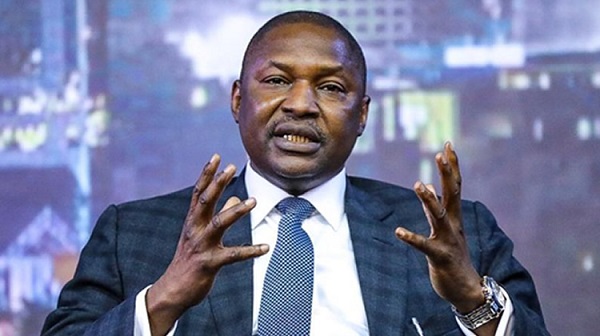
The Economic and Financial Crimes Commission (EFCC) has invited former Attorney-General of the Federation and Minister of Justice, Abubakar Malami, for questioning.
Malami served as Attorney-General and Minister of Justice from 2015 to 2023 under former President Muhammadu Buhari.
Malami announced the development on his Facebook page on Friday, confirming that he had received a formal invitation from the anti-graft agency.
“I would like to inform my family and friends that I have been summoned by the EFCC to provide clarification on certain matters, and as a law-abiding and patriotic citizen, I am determined to honour this invitation without any hesitation,” he wrote.
The former minister reiterated his commitment to the principles of honesty, integrity, and accountability, which he said guided his years in public service.
“I believe in the importance of honesty, integrity, and accountability in governance; these are principles that I have long supported and upheld over the years of my public service,” he added.
Malami also stated that he would keep Nigerians informed of any developments that may arise from the invitation.



-

 Energy11 months ago
Diesel falls to ₦979/L in Lagos
-
 Law & Crime12 months ago
EFCC vs Yahaya Bello: Court adjourns ₦80.2b alleged fraud trial to Nov 11
-

 Art & Life9 years ago
These ’90s fashion trends are making a comeback in 2017
-
Business9 years ago
The 9 worst mistakes you can ever make at work
-
Entertainment9 years ago
The final 6 ‘Game of Thrones’ episodes might feel like a full season
-
Art & Life9 years ago
According to Dior Couture, this taboo fashion accessory is back
-
Entertainment9 years ago
The old and New Edition cast comes together to perform
-
Entertainment9 years ago
Mod turns ‘Counter-Strike’ into a ‘Tekken’ clone with fighting chickens