
Energy
Marketers demand N1.5tr subsidy to match our gantry price, says Dangote Refinery

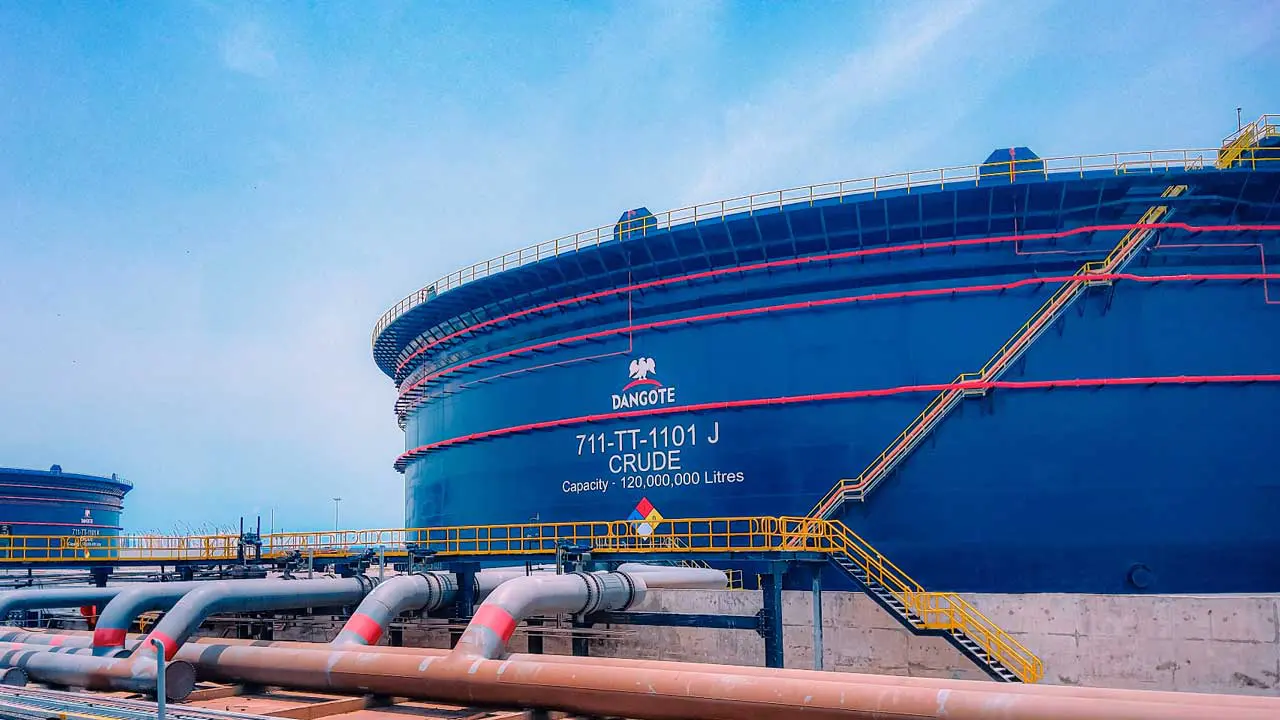
• Dares DAPPMAN to go to court
The management of Dangote Petroleum Refinery has disclosed that the Depot and Petroleum Products Marketers Association of Nigeria (DAPPMAN), demanded an annual subsidy of N1.505 trillion to enable members to match the refinery’s gantry prices at their own depots.
The refinery disclosed that although it offers petroleum products to marketers at its gantry price, DAPPMAN insists on taking delivery via coastal logistics, an option that would add N75 per litre in extra costs.
In a statement made available to newsmen, the refinery said that based on daily consumption volumes of 40 million litres of Premium Motor Spirit (PMS) or petrol and 15 million litres of Automotive Gas Oil (AGO) or diesel, amounting to an additional annual cost of N1.505 trillion (N1,505,625,000,000), which they effectively asked the refinery to absorb or pass on to Nigerians.
“Specifically, the marketers are demanding that we discount N70/litre in coastal freight, NIMASA, NPA and other associated costs as well as N5/litre for the cost of pumping into vessels to enable them to transport products from our refinery to their depots in Apapa and sell at the same price as our gantry.
“We wish to make it clear that we have no intention of increasing our gantry price to accommodate such demands, nor are we willing to pay a subsidy of over N1.5 trillion, a practice that historically defrauded the Federal Government for many years. DAPPMAN and other marketers are welcome to lift products directly from our gantry and benefit from our logistics-free initiative”, the Dangote Refinery management said.
Besides, the refinery alleged that its refusal to comply with DAPPMAN’s subsidy request is the core reason behind recent public criticisms and attacks. It reiterated that the refinery has sufficient capacity to meet domestic demand and support export as it consistently maintains a closing stock of 500 million litres of refined products in its tanks each month.
“Between June and September, the refinery exported a combined total of 3,229,881 metric tonnes of PMS, AGO, and aviation fuel, while marketers imported 3,687,828 metric tonnes over the same period, an action that amounts to dumping which is detrimental to the Nigerian economy and the wellbeing of its citizens,” it said.
Reaffirming its commitment to supporting the reform agenda of President Bola Tinubu, the refinery stated that through various strategic interventions, it has helped stabilise the Naira, cushion the effects of fuel subsidy removal, position Nigeria as a refining hub, boost foreign exchange earnings, and create employment opportunities across multiple sectors.
“We enjoy strong working relationships with government agencies and remain committed to supporting their efforts, while not hesitating to hold institutions accountable where necessary.
“Dangote Petroleum Refinery remains firmly committed to the progress and wellbeing of Nigeria, and is open to partnerships with patriotic and responsible stakeholders in pursuit of national development,” it noted.
The Refinery also reaffirmed its position regarding its recent statement on the DAPPMAN, which was published on Monday, 15 September, in several national dailies and online platforms.
The refinery stressed that any party aggrieved by the content of the publication is free to seek redress through appropriate legal channels. It noted that it would not be swayed by threats or so-called seven-day ultimatums and is fully prepared to defend its position through all legitimate means.











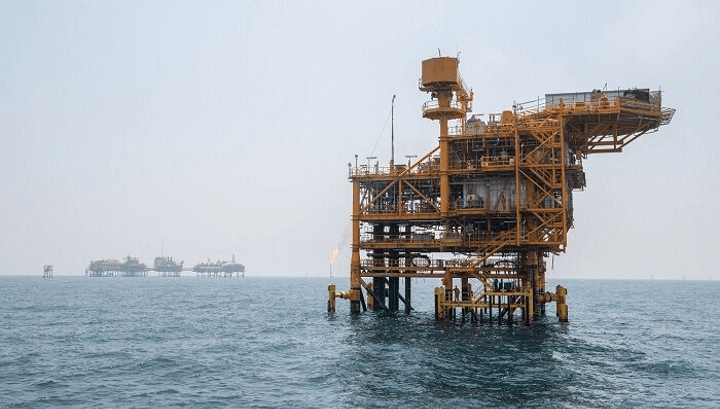
Thirty-one companies yesterday emerged winners of 37 oil and gas blocks at the 2025 Licensing Round which held at the Transcorp Event Center, Abuja. A total of 143 companies had submitted 200 bids for 37 out of the 50 oil and gas blocks originally put on offer.
Of the 50 blocks on offer, 37 received bids while no bids were submitted for the remaining 13. The 37 blocks that attracted bids were drawn from all the terrains including the frontier basins like the Benue Trough, Chad Basin, Anambra Basin and the Benin Basin.
These blocks were drawn from diverse terrains including the Niger Delta Onshore 16; Niger Delta Shallow Water, 18;, Niger Delta Deep Offshore, one; Benin Basin Onshore, three; Anambra Basin Onshore, four; Chad Basin Onshore, four and Benue Trough, four.
A statement by the Head of Media and Communications, Nigerian Upstream Petroleum Regulatory Commission (NUPRC), Eniola Akinkuotu, noted that yesterday’s licencing round marked the first time in the country’s energy landscape that frontier basins would attract such level of investor interest.
The companies that emerged winners of the 2025 Licensing Round include: SSonic Petroleum Limited (PPL 2A29), CFP Pipeline and Flowlines (2A30), Dutchford E&P Limited (2A32), Attabanson Global Company Limited (2A33 and PPL 901), Rosem Energy Limited (2A38), Pivot-GIS Limited (2A39), Network E&P (2A40), Asharami (2A41), LexOil (2A42), BVOF (2A43), GupscoEnergy Limited (2A44 and 2A51), Saratoga (2A45), Volante (2A46), Concept-Reel Petroleum Services Limited (2A47 and 2A55), Clinton Oil Field (2A48 and 2A62) and Nuway Oaklane Limited (2A49).
Others are Ramec (2A50), Italia (2A53), Blueridge E&P (2A54), Up Energies Limited (2A56), AYM Shafa (2A57), Blackrock Holdings Limited (2A58), Funtay Integrated Business Limited (2A59), Riparian Development and Production Limited (2A60), Nikstallis (2A61 and PPL 900), Stardeep Petroleum (PPL 2010), Dakoda & U Limited (PPL308 and PPL 800), Southborne Oil and Gas Limited (PPL 902), Lanaka Petroleum (PPL 903) HighbanResources Limited (PPL 700), Eyre Energy Limited (PPL 801).
In line with the Petroleum Industry Act, 2021, these firms will only be presented final awards after the payment of the appropriate signature bonus and the approval of the Minister of Petroleum Resources.
In her remarks, the Commission Chief Executive, Mrs. Oritsemeyiwa Eyesan, thanked President Bola Tinubu for supporting the Commission to deliver a seamless licensing round.
While congratulating the winners, Eyesan urged them to pay their signature bonuses as quickly as possible and also develop their assets or risk losing them in line with the drill or drop provision enforced by the Commission.
The commercial bid conference was closely monitored by representatives of the Federal Ministry of Petroleum Resources, the Federal Ministry of Finance, the Nigeria Extractive Industry and Transparency Initiative (NEITI)and several other stakeholders in line with the extant laws.
The Executive Secretary, Nigerian Content Development and Monitoring Board (NCDMB), Felix Ogbe, an engineer, yesterday revealed that in the last 15 years, local participation in the country’s oil and gas sector recorded a significant rise from less than five per cent to 61 per cent.
He made this known yesterday while delivering his speech at the 25th Edition of the Nigeria Oil and Gas Energy Week currently ongoing in Abuja. He spoke on the theme: “Shaping the Next Phase of Local Content Growth.”
The NCDMB boss attributed the increase to the signing of the NOGICD Act of 2010, describing it as accounting for the success.
To sustain this increase, Ogbe said, the next phase must focus on manufacturing, competence and global competitiveness, if the country is to achieve its target of becoming a $1 trillion economy.
“Over the last 15 years, Nigeria’s local content journey has become a remarkable success story,” Ogbe declared, adding that, “Through the implementation of the NOGICD Act of 2010, we have transformed local participation in the oil and gas industry from marginal levels of less than five per cent to 61 per cent a situation where Nigerians now own assets, provide services, execute projects, and contribute significantly across the oil and gas value chain.”
Although he expressed satisfaction with the feat, Ogbe nonetheless said the next phase of the board’s strategy is to move beyond mere compliance metrics toward deep-rooted industrialisation and global competitiveness.
“These achievements deserve to be celebrated. However, they also compel us to ask a fundamental question: What comes next? The next phase of local content growth must go beyond participation and compliance. It must focus on capacity expansion, industrialization, manufacturing, sustainability and global competitiveness,” the NCDMB boss said.
To ensure a sustenance of this achievement and further upscaling, he disclosed that the NCDMB, following in line with Presidential Directives, has partnered with NIPEX, NUPRC, NMDPRA, NNPC, and the Oil Producers Trade Section (OPTS) to create a harmonised ranking system.
To this end, the Board will commence modification of its various certification portals in readiness for the joint industry capacity audits of in-country manufacturers and service providers operating within the oil and gas industry.
The audit, he added, will begin in the third quarter 2026.
“The outcome of the in-country capacity audit will provide a detailed understanding of existing capabilities, eliminate intermediaries, improve contracting cycle timelines, and ensure direct patronage of established service providers for business sustainability and growth.
“The findings from the exercise will also enable the Board and industry stakeholders to make informed decisions regarding investment priorities, technology partnerships, financing support, and policy interventions,” Ogbe added.
The Board, he revealed, also maintained a zero tolerance against operators failing to remit their statutory fees into the Nigerian Content Development Fund (NCDF)- a fund meant for building domestic capability. To ensure full compliance, possessing an NCDF Compliance Certificate will now be major criteria for doing business.
“It is therefore unacceptable for any company to withhold, delay, or fail to remit its statutory contributions to the Nigerian Content Development Fund (NCDF). The Board will continue to strengthen its compliance and enforcement mechanisms and will not hesitate to invoke all available regulatory measures to ensure compliance, because possession of a valid NCDF Compliance Certificate is increasingly becoming an important requirement for participation in industry opportunities and regulatory engagements,” Ogbe added.
- Reduces PMS by N200/l in one month
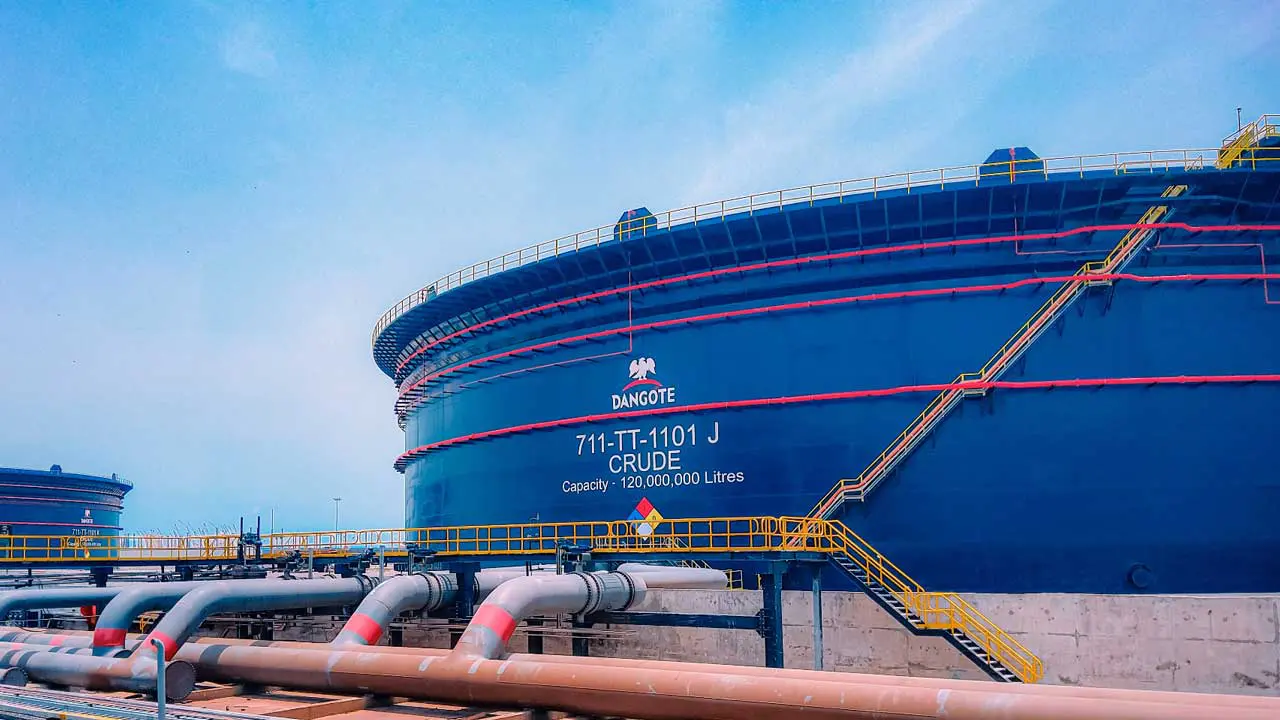
Dangote Petroleum Refinery & Petrochemicals has announced another reduction in the ex-depot price of Premium Motor Spirit (PMS), otherwise known as petrol. The latest reduction marks its fourth price cut within a month as the company said it continues to pass lower production costs to consumers despite still processing crude oil purchased at significantly higher international prices.
The latest N50 per litre reduction brings the cumulative decrease in the refinery’s PMS ex depot price to N200 per litre since May 30, 2026, reducing the gantry price to N1, 075. Over the same period, the refinery has reduced the ex-depot price of Automotive Gas Oil (AGO) by N300 per litre and Jet A1 aviation fuel by N520 per litre.
The company said the successive reductions demonstrate its commitment to ensuring Nigerians benefit from favourable market developments while maintaining the long-term sustainability of domestic refining operations.
In a statement issued yesterday, the refinery explained that petroleum product pricing cannot mirror daily movements in international crude oil markets because crude is purchased weeks, and sometimes months, before it is processed.
According to the refinery, the petroleum products currently being supplied to the market are being produced from crude inventories acquired during periods of substantially higher prices.
It disclosed that the average landed cost of crude processed stood at approximately $124.80 per barrel in May and $95.25 per barrel in June, compared with the current international benchmark of about $71.01 per barrel.
The refinery also clarified that its crude procurement costs are not based solely on the headline ICE Brent benchmark commonly quoted in the media.
Rather, crude is purchased on a Dated Brent basis together with applicable market premiums, freight and logistics costs, resulting in actual feedstock costs that differ materially from benchmark prices.
Despite the sharp increase in crude acquisition costs during the period, Dangote Refinery said it deliberately refrained from transferring the full impact to consumers, choosing instead to absorb a significant portion of the additional costs in order to support market stability and cushion Nigerians from the volatility in global energy markets.
The company noted that this pricing approach has helped to keep petroleum product prices in Nigeria below those prevailing in neighbouring countries, even after accounting for applicable taxes. It added that as lower priced crude cargoes progressively enter its production cycle, the refinery has begun systematically passing the benefits to the market through phased price reductions.
“Today’s N50 per litre reduction is the fourth price cut in one month, bringing cumulative reductions to above N200 per litre on PMS. This approach ensures that pricing decisions are anchored on actual production economics and inventory costs rather than short term fluctuations in international oil markets.
“Nigeria today benefits from the stabilising role of domestic refining capacity. The Dangote Petroleum Refinery currently supplies volumes sufficient to meet national demand, helping to strengthen energy security, eliminate dependence on imports, conserve foreign exchange and provide greater price stability for consumers and businesses,” the Refinery management said in the statement.
The company expressed confidence that if international crude prices remain favourable and lower cost feedstock continues to replace higher priced inventories, Nigerians should expect further moderation in petroleum product prices.
Dangote Petroleum Refinery reiterated its commitment to supplying high quality, internationally certified petroleum products at competitive prices while supporting Nigeria’s economic growth and the long-term development of the country’s downstream petroleum sector.

-

 Art & Life9 years ago
These ’90s fashion trends are making a comeback in 2017
-
Business9 years ago
The 9 worst mistakes you can ever make at work
-
Entertainment9 years ago
The final 6 ‘Game of Thrones’ episodes might feel like a full season
-
Art & Life9 years ago
According to Dior Couture, this taboo fashion accessory is back
-
Entertainment9 years ago
The old and New Edition cast comes together to perform
-
Entertainment9 years ago
Mod turns ‘Counter-Strike’ into a ‘Tekken’ clone with fighting chickens
-
Sports9 years ago
Phillies’ Aaron Altherr makes mind-boggling barehanded play
-
Entertainment9 years ago
Disney’s live-action Aladdin finally finds its stars