
Power

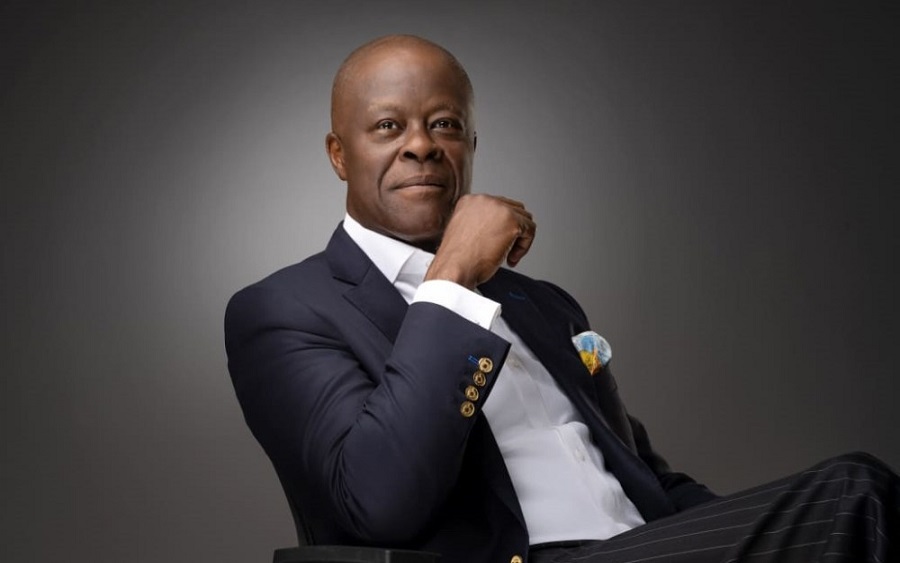
Fed. govt’s ₦501 billion power sector Bond records 100% subscription
• Stakeholders hail President Tinubu on initiative
• Programme to stimulate economy
The Federal Government has successfully issued a ₦501 billion inaugural bond under the Presidential Power Sector Debt Reduction Programme (PPSDRP), recording 100 per cent subscription from pension funds, banks, asset managers and other investors. It also marked a significant step towards resolving legacy debts, restoring liquidity and strengthening confidence in the Nigerian Electricity Supply Industry (NESI).
The initiative is designed to address long-standing payment arrears owed to power generation companies, which for over a decade constrained liquidity, weakened balance sheets and discouraged investment across the power sector value chain.
The signing follows the successful completion of Series 1 Power Sector Bond Issuance by Nigeria Bulk Electricity Trading (NBET) Finance Company Plc. Series 1 issuance closed at ₦501 billion, comprising ₦300 billion raised from the capital markets and ₦201 billion in bonds allotted to participating power generation companies, reflecting strong investor confidence in the reform agenda.
Under the Programme, verified receivables for electricity supplied between February 2015 and March 2025 are being settled through negotiated agreements with power generation companies. To date, five power generation companies representing 14 power plants nationwide: First Independent Power Limited (FIPL); Geregu Power Plc; Ibom Power Company Limited; Mabon Limited and Niger Delta Power Holding Company Limited (NDPHC)- have executed Settlement Agreements with NBET. The total negotiated settlement amount for these companies stands at ₦827.16 billion, to be paid in four phased instalments.
Proceeds from Series 1 issuance will fund the first and second instalment payments to participating power generation companies with signed Settlement Agreements, estimated at ₦421.42 billion, representing approximately 50 per cent of the total negotiated settlement amount. The payment for this initial phase will be made through a mix of cash and notes.
When completed, the programme will impact 4,483.60MWh/h of electricity generation capacity by GenCos, effectively finalising settlement of payments for 290,644.84GWhr of electricity billed since February 2015 and providing a strong foundation for new investments into capacity enhancement and expansion by companies serving 12.03mn active registered customers across the country.
Speaking at the bond issuance signing ceremony which held at the Grand African Ballroom, Lagos Continental Hotel, Victoria Island, Lagos, the Minister of Finance and Coordinating Minister of the Economy, Wale Edun, said the ceremony marks a critical turning point in the collective efforts to address long-standing structural challenges in Nigeria’s power sector and to lay a stronger foundation for its long-term sustainability.
Edun, who was represented by the Director-General, Debt Management Office, Patience Oniha, explained that for many years, legacy debts owed to Generation Companies (GenCos) have constrained liquidity across the electricity value chain, weakening balance sheets, discouraged investment and ultimately limited the sector’s ability to deliver reliable power to Nigerian homes and businesses.
According to the Minister, the Federal Government recognised that resolving these legacy issues was not optional but essential, giving rise to the Presidential Power Sector Debt Reduction Programme (PPSDRP) and subsequently to the ₦4 trillion Power Sector Multi-Instrument Issuance Programme, designed as a structured, credible, and fiscally responsible mechanism for settling these obligations.
“This transaction sends a clear and reassuring signal to the power sector and to the wider economy that the Federal Government is committed to honouring its obligations. We are prepared to deploy innovative financial solutions to resolve systemic challenges and we remain focused on restoring liquidity, confidence, and discipline across the electricity market. By settling legacy debts in a structured manner, we are enabling Generation Companies to stabilise operations, improve maintenance and attract new investment- all of which are critical to improving power supply nationwide,” Edun said.
He disclosed that the programme is anchored on strong governance, transparency and fiscal prudence. The Ministry of Finance, working closely with NBET and other stakeholders, remains committed to ensuring that this initiative supports sector reform while safeguarding macroeconomic stability.
Edun was emphatic that a sustainable power sector is not just an energy objective, but an economic imperative because reliable electricity underpins industrial growth, job creation, and improved quality of life for millions of Nigerians.
In similar vein, the Special Adviser to the President on Energy, Olu Arowolo Verheijen, stated that the programme represents a decisive reset of the electricity market, combining debt resolution with broader financial and structural reforms.
She noted that the country’s electricity sector has been constrained not by lack of demand or installed capacity, but by unresolved legacy liabilities and chronic liquidity shortfalls. Those pressures, she argued, weakened balance sheets across the value chain, constrained gas supply, reduced plant availability and ultimately limited the pace at which electricity could be delivered reliably to homes and businesses.
Aware of this, Verheijen said the President Bola Tinubu administration conviction of having a viable power sector led to the establishment of the Presidential Power Sector Debt Reduction Programme, chaired by the Minister of Finance/Coordinating Minister of the Economy and technically led by her office.
“This Programme was not conceived as a bailout. It is a balance-sheet reset. Its purpose is straightforward: to clear verified legacy obligations, restore liquidity, and re-establish the conditions under which operators can plan, operate, and invest on commercial terms. Over the past several months, we have worked closely with the Ministry of Finance, NBET, NERC, and power generation companies to reconcile claims and negotiate settlements based strictly on verified obligations. Today’s signing marks the outcome of that process.
“Fourteen generation companies have executed Full and Final Settlement Agreements, with a total negotiated value of approximately ₦827 billion. These agreements reflect discipline, compromise, and a shared commitment to closing the chapter on legacy arrears,” Verheijen said.
Therefore, she said, resolving these liabilities restores liquidity across the value chain, strengthens payment certainty for gas suppliers and creates the financial headroom required for operators to stabilise assets, improve availability and plan new investment.
Also speaking at the signing ceremony, the NBET Managing Director, Johnson Akinnawo, described the programme as a historic and defining moment for Nigeria’s power sector.
“This historic programme received the resolute approval of President Bola Tinubu and the Federal Executive Council. Mr. President’s decisive endorsement is not just a procedural step; it is the bedrock of this ambition. It signals the highest level of commitment to the total revitalisation of our nation’s power sector,” Akinnawo said, adding that the development would strengthen market disciplines while enabling growth across generation and the other segments of the electricity value chain.
Akinnawo stressed the broader significance of reliable electricity for national development, saying, “Reliable electricity is not just an enabler of economic activity. It is the backbone of national development, social advancement and global competitiveness.”
The Group Managing Director, Sahara Power Group, Kola Adesina, who’s conglomerate owns five power plants, said: “Capital formation can only come when there is confidence, when you can truly see a line of sight in recovering investments previously made. Because we were being owed so much, it was a bit of a problem for us to put in more money. But last year we took the bull by the horns, based on President Bola Ahmed Tinubu’s commitment in resolving the legacy issues and I can say that once this process is over, construction will commence immediately on the second phase of our Egbin Power Plant. On behalf of the Generation Companies, I’d like to thank the President for this resolution.”
By clearing historic arrears, the programme is expected to improve liquidity for power generation companies, strengthen their ability to meet operating and debt obligations, unlock new investment across the sector and support more reliable electricity supply to homes and businesses. It also reinforces fiscal discipline through validated claims, negotiated settlements and transparent capital market financing.
CardinalStone Partners Limited, an Investment banking firm, led the consortium of appointed professional parties as Lead Financial Adviser and Lead Issuing House to successfully execute the Series 1 Bond Issue, working closely with NBET that acted as Sponsor on the Transaction, and the Office of the Special Adviser on Energy that led the settlement negotiations and engagements with the Generation Companies.

Akintunde Olamide
The World Bank Group, alongside the African Development Bank and The Rockefeller Foundation, has unveiled a new Mission 300 Private Sector Council aimed at unlocking billions of dollars in private investment to expand electricity access and create jobs across Africa.
The initiative targets connecting 300 million Africans to electricity by 2030, while accelerating economic growth and employment opportunities across the continent.
Fourteen business leaders drawn from various industries will guide strategies to attract capital, strengthen deal making capacity, and scale up innovative financing particularly in local currencies. The council will be co-chaired by Makhtar Diop of the International Finance Corporation and Ray Chambers.
Speaking on the initiative, Diop emphasized that achieving Mission 300 requires large scale private sector participation and practical strategies shaped by experienced industry players. He noted that the council brings together influential leaders capable of turning ambitious plans into tangible results.
Mission 300 is a joint effort by the World Bank and African Development Bank, supported by partners including the Global Energy Alliance for People and Planet and Sustainable Energy for All. The programme seeks to significantly expand electricity access while boosting job creation.
Currently, nearly 600 million people in Africa lack electricity. Addressing this gap will require unprecedented levels of investment, speed, and collaboration particularly from the private sector. To support this, the IFC and the Multilateral Investment Guarantee Agency have pledged $5 billion toward private sector investments under Mission 300 by 2030.
Since its launch in 2024, Mission 300 has already connected 44 million people to electricity. Additionally, 30 countries have signed energy compacts aimed at expanding infrastructure, promoting renewable energy, strengthening regional power integration, and encouraging private investment.
Dr. Kevin Kariuki described the council as a major step toward accelerating investment flows, noting that about half of the funding for energy compacts is expected to come from private sector players. He added that involving business leaders would help bridge the gap between policy reforms, financing, and viable projects, ultimately driving faster delivery and job creation.
Half of the targeted electricity connections under Mission 300 are expected to come from off-grid solutions, making private investment essential in expanding decentralized energy systems. Andrew Herscowitz said the Mission 300 Accelerator will work closely with partners and the council to fast-track commercial investments and improve lives across Africa.
The Private Sector Council includes representatives from companies such as Airtel Africa Plc, Elsewedy Electric, EQT Corporation, Standard Bank, and TotalEnergies, among others.
The Republic of Togo has expressed interest in increasing the volume of electricity it currently purchases from Nigeria through the Niger Delta Power Holding Company (NDPHC), as part of efforts to meet growing power demand and extend reliable electricity supply to newly connected customers across the country.
The request was made during a strategic meeting between the management of NDPHC and a delegation from the Compagnie Energie Electrique du Togo (C.E.E.T), the national electricity utility of the Republic of Togo.
The delegation was led by the Director-General of the organisation, Débo- K’mba BARANDAO, who paid a visit to NDPHC’s management to strengthen existing collaboration and explore opportunities for expanding cross-border electricity trade.
C.E.E.T, which is headquartered in Lomé, currently purchases about 75 megawatt-hours (MWh) of electricity from NDPHC on a bilateral basis, a supply arrangement that has helped the West African country maintain stable electricity delivery and support economic activities.
The imported electricity contributes to sustaining quality, reliable and affordable power supply for households, businesses and public institutions in Togo.
The Director-General of C.E.E.T commended NDPHC for the consistency of its electricity supply and the role the partnership has played in improving power reliability within Togo’s electricity network.
He noted that the collaboration has been beneficial to both organisations and has strengthened regional energy cooperation in West Africa.
According to him, the utility company is currently experiencing increasing electricity demand following the onboarding of new customers, including industrial and commercial users, as well as ongoing efforts by the Togolese government to expand access to electricity across the country.
In view of this development, C.E.E.T expressed strong interest in increasing the volume of electricity it off-takes from NDPHC, noting that additional supply would support the country’s power expansion strategy and ensure that newly connected consumers receive stable electricity.
The delegation also highlighted that strengthening energy trade with Nigeria remains an important component of Togo’s broader strategy to secure diversified and dependable power sources for its national grid.
Responding, the Managing Director and Chief Executive Officer of NDPHC, Jennifer Adighije, an engineer, reaffirmed the company’s readiness to deepen collaboration with C.E.E.T and continue supporting electricity exports to neighbouring countries in the West African sub-region.
She explained that NDPHC, which operates several power plants across Nigeria under the National Integrated Power Project (NIPP), has the capacity to support regional electricity supply and remains committed to promoting energy integration across West Africa.
The NDPHC boss noted that the partnership with C.E.E.T aligns with broader regional efforts aimed at strengthening electricity trade among member countries of the Economic Community of West African States and improving power availability across the sub-region.
While expressing willingness to increase electricity exports to Togo, she emphasised the need for bankable and sustainable commercial arrangements to guide future transactions between the two organisations.
According to her, establishing credible financial guarantees and structured payment mechanisms would help mitigate exposure to payment risks often associated with cross-border electricity supply, thereby ensuring the long-term sustainability of the partnership.
She stressed that a reliable payment framework would not only protect NDPHC’s commercial interests but also enable the company to continue supporting regional energy stability through power exports.
Both parties described the meeting as productive and reaffirmed their commitment to strengthening cooperation in the electricity sector. They also agreed to continue engagements aimed at developing workable frameworks that would support increased power supply from Nigeria to Togo.
Industry observers say the move reflects growing efforts by West African countries to deepen regional electricity trade and maximise existing generation capacity within the region to address persistent power shortages.
If implemented, the proposed increase in electricity offtake by C.E.E.T is expected to further strengthen energy cooperation between Nigeria and Togo while contributing to improved electricity access and economic development in the region.
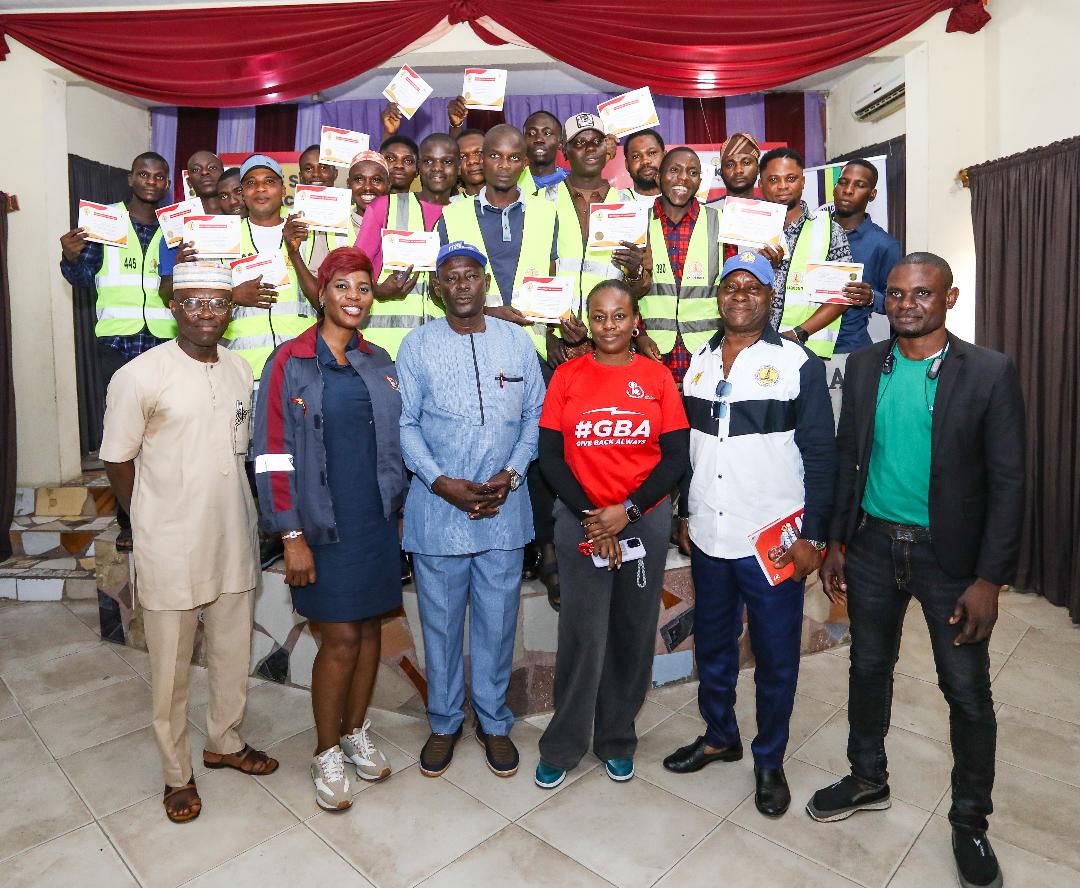
As part of its continuous investment in human capital development, Ikeja Electric Plc (IE), in collaboration with the Licensed Electrical Contractors Association of Nigeria (LECAN), has concluded a one-day intensive skills acquisition and capacity-building programme with the theme: “Electrical Safety and Best Practices in the Electricity industry.”
Over 100 participants comprising field technicians and electrical professionals participated in the workshop which focused on practical and engaging sessions bordering on safety procedures, alternative power integration and electrical installation standards.
Speaking at the event, the State Chairman of LECAN, Bada Waheed, commended Ikeja Electric for its continued support of capacity development within the electricity industry.
“This initiative is a testament to what can be achieved when industry leaders and professional bodies collaborate for sustainable growth. Our young electricians represent the future of Nigeria’s energy value chain, and programmes like this ensure they are skilled, informed, and safety-conscious. We deeply appreciate this gesture from Ikeja Electric and hope to have future collaborations to impact our youth and make them more productive. Noteworthy is the fact that this programme aligns with our goal of nurturing local talents and bridging the gap between learning and practical application,” he said.
The Head of Corporate Communications, Ikeja Electric, Kingsley Okotie, highlighted the importance of corporate partnerships in driving community empowerment, beyond the provision of electricity.
“Over time we have discovered a lot of gaps in efficiency and knowledge acquisition especially by technicians, who are major stakeholders within our sector. This fueled our drive to strengthen their capacity in the area of safety, alignment in the integration of renewable energy as well as other industry innovations. We know that electricity is a powerful tool that demands responsibility and precision. Therefore, this training is reinforcing our zero-harm culture by empowering participants with the right knowledge to execute their work safely and efficiently.
The collaboration with LECAN reflects our vision to build safer communities through education and empowerment; closing knowledge gaps, reducing accidents within our area of coverage and preventing unnecessary loss of lives and property, thereby making the society a better place for all’’ he concluded.
One of the beneficiaries, Makinde Adeyinka, expressed gratitude for the opportunity, describing the experience as “eye-opening and impactful.”
“I have learned so much about safety standards, proper installations, and building a sustainable career as an electrician. I am thankful to Ikeja Electric and LECAN for investing in young electricians like me and look forward to more programmes like this,” he said.
The one-day training is part of Ikeja Electric’s ongoing youth empowerment and safety awareness initiatives, reinforcing its commitment to workplace safety, operational excellence, and continuous professional development.



-

 Art & Life9 years ago
These ’90s fashion trends are making a comeback in 2017
-
Entertainment9 years ago
The final 6 ‘Game of Thrones’ episodes might feel like a full season
-
Business9 years ago
The 9 worst mistakes you can ever make at work
-
Art & Life9 years ago
According to Dior Couture, this taboo fashion accessory is back
-
Entertainment9 years ago
The old and New Edition cast comes together to perform
-
Entertainment9 years ago
Mod turns ‘Counter-Strike’ into a ‘Tekken’ clone with fighting chickens
-
Sports9 years ago
Phillies’ Aaron Altherr makes mind-boggling barehanded play
-
Entertainment9 years ago
Disney’s live-action Aladdin finally finds its stars