
Energy
8,500 transmission capacity: Low demand stalls generation of 3,500MW

• Nigeria conducts grid synchronisation test connecting 15 countries for four hours
The Ministry of Power yesterday said despite the availability of 8,500MW transmission capacity in the Nigerian Electricity Supply Industry (NESI), low demand from the Distribution Companies (DisCos) has limited generation to 5,000MW, stalling 3,500MW.
As of July 17, 2025, the wheeling capacity was 5,500MW.
But the ministry disclosed its recent wheeling capacity in Abuja during a media briefing where it announced that Nigeria successfully conducted a grid synchronization test with 15 West African countries for four hours on November 8, 2025.
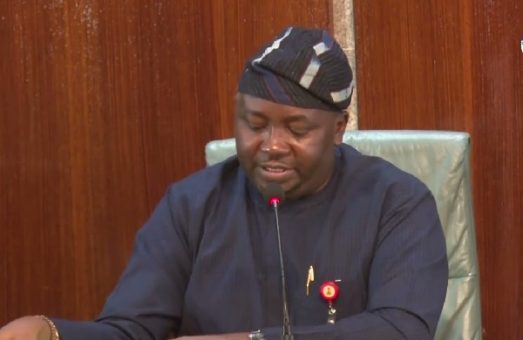
“Today, the minimum grid capacity we can even communicate is 8,500MW of capacity. If our generation reaches 8,000 MW today, the grid can comfortably and conveniently transmit it,” Adelabu said.
Besides, the Nigerian Independent System Operator (NISO), Market Operation Executive Director, Dr. Edmund Eje, explained that since electricity cannot be stored, the industry only generates energy based on demand.
His words: “The amount of energy generated is equal to the amount of energy that will be transmitted, and it is also equal to the amount of energy that is demanded by the distribution companies. It is simultaneously consumed.
“You don’t stall energy anywhere. The transmission capacity can carry 8,500MW, but it can only carry what can be consumed. Generators will not generate more than what will be consumed at the same time.”
On synchronization, he said the feat of successful synchronization will not affect the allocation of energy for domestic consumption.
Eje said that although there is a regulation that Nigeria allocates 600MW for bilateral trade, production constraints presently limit it to 360MW.
Adelabu, however, described the synchronization test success as a step towards the elimination of grid collapse from the industry, noting it means that there is confidence that the system is now resilient.
He described it as a landmark development in the evolution of West Africa’s electricity architecture.
He confirmed that on 8th November 2025, Nigeria successfully conducted a grid synchronisation test connecting the national electricity grid with the interconnected West African Power Pool (WAPP) system.
According to him, the exercise represents the first time in history that Nigeria has operated in a unified, stable, and fully harmonised configuration with the rest of the sub-region.
He clarified that while it is not yet a permanent synchronisation, the successful test clearly demonstrates that regional technical alignment is feasible and marks a major step toward eventual full integration.
Adelabu further noted that the synchronisation exercise, conducted between 05:04 a.m. and 09:04 a.m., involved the Nigerian grid which includes Niger Republic and parts of Benin and Togo and the rest of West Africa’s interconnected systems covering Ghana, Côte d’Ivoire, Burkina Faso, Liberia, Sierra Leone, Guinea, Senegal, The Gambia, Guinea Bissau, and Mali.
He said for four uninterrupted hours, power flowed seamlessly across national borders, operating at a single stable frequency and proving that West Africa is now technically capable of functioning as a unified power bloc.
He said the achievement ranks among the most significant milestones in the history of WAPP.
He said the test marks the first successful large-scale synchronisation attempt since 2007, when a short-lived trial lasted only seven minutes before failing.
Adelabu said Nigeria has made history with the successful synchronization of the national grid with the West African Power Pool interconnected system.
For four unbroken hours, according to him, electricity flowed from Nigeria and Niger into the entire West African sub-region covering Benin, Togo, Ghana, Côte d’Ivoire, Liberia, Sierra Leone, Guinea, Senegal, Mali, The Gambia, and Guinea-Bissau operating at a single, stabilized frequency.
Earlier at the NISO Maiden Stakeholders’ Engagement, the Managing Director, Engr. Abdul Mohammed said the milestone recorded with the synchronization milestone is more than a technical success, since it positions Nigeria as a regional power hub; opens new avenues for electricity trading; unlocks foreign exchange potential; and reinforces investor confidence in the emerging Nigerian electricity market.
According to him, a resilient electricity market requires more than engineering; it requires relationships.
He said it requires trust among service providers, trust between the market and regulators, trust between the government and operators, and, above all, trust from the Nigerian people.








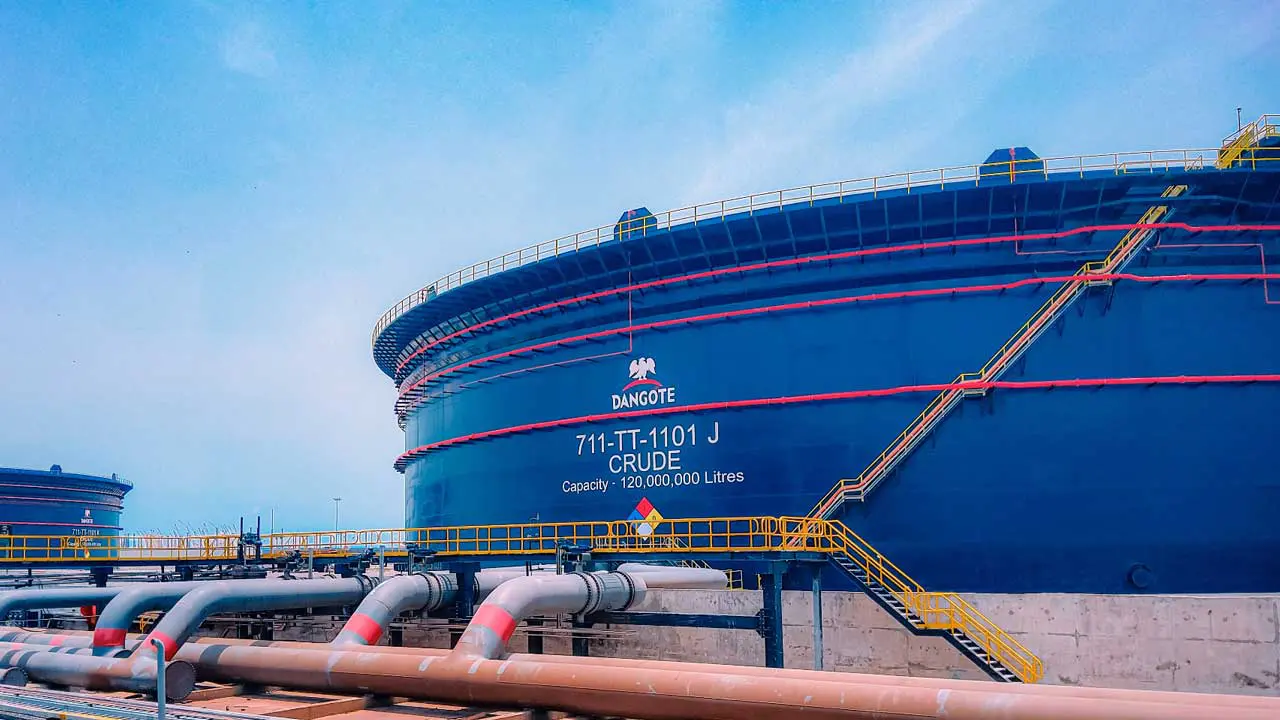
Nigeria recorded a historic shift in its downstream petroleum trade in March, emerging as a net exporter of gasoline for the first time, driven largely by rising output from the Dangote Petroleum Refinery & Petrochemicals.
Data from market intelligence firm, Kpler, showed that gasoline (petrol) imports into the country dropped sharply to 41,000 barrels per day (bpd) in the month of March, the lowest level on record. At the same time, crude supply to the
Dangote facility rose to about 565,000 bpd, the second-highest intake since the 650,000 bpd refinery commenced operations in late 2023, indicating strong processing rates and increased product yield.
Total gasoline exports from the Dangote Refinery rose to 44,000 bpd in March, compared to no exports recorded in January and February. This shift enabled Nigeria to post a net export position of approximately 3,000 bpd for the month in review.
In expanding its market reach, the Dangote Refinery exported gasoline to East Africa for the first time, shipping a 317,000-barrel cargo to Mozambique. The move reflects growing demand in the region as buyers seek alternatives to Middle East Gulf supplies amid ongoing disruptions. Another April shipment from the refinery is also bound for Beira, Mozambique.
Nigeria’s emergence as a gasoline exporter is expected to reshape regional trade flows and intensify competition in global markets. Analysts note that the development adds pressure to Europe’s already oversupplied gasoline market, as Nigeria transitions from a key import destination to a potential competing supplier.
The March milestone signals a significant step in Nigeria’s drive towards self-sufficiency in refined petroleum products and its ambition to become a net exporter in the global energy market.
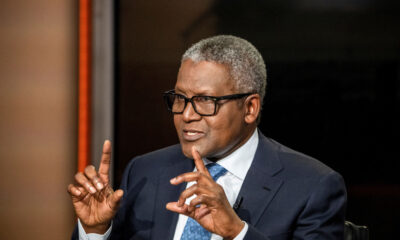
President/Chief Executive, Dangote Industries Limited, Aliko Dangote, recently described President Bola Tinubu’s ongoing economic and energy sector reforms as critical to restoring market confidence and enabling large-scale investments in domestic refining.
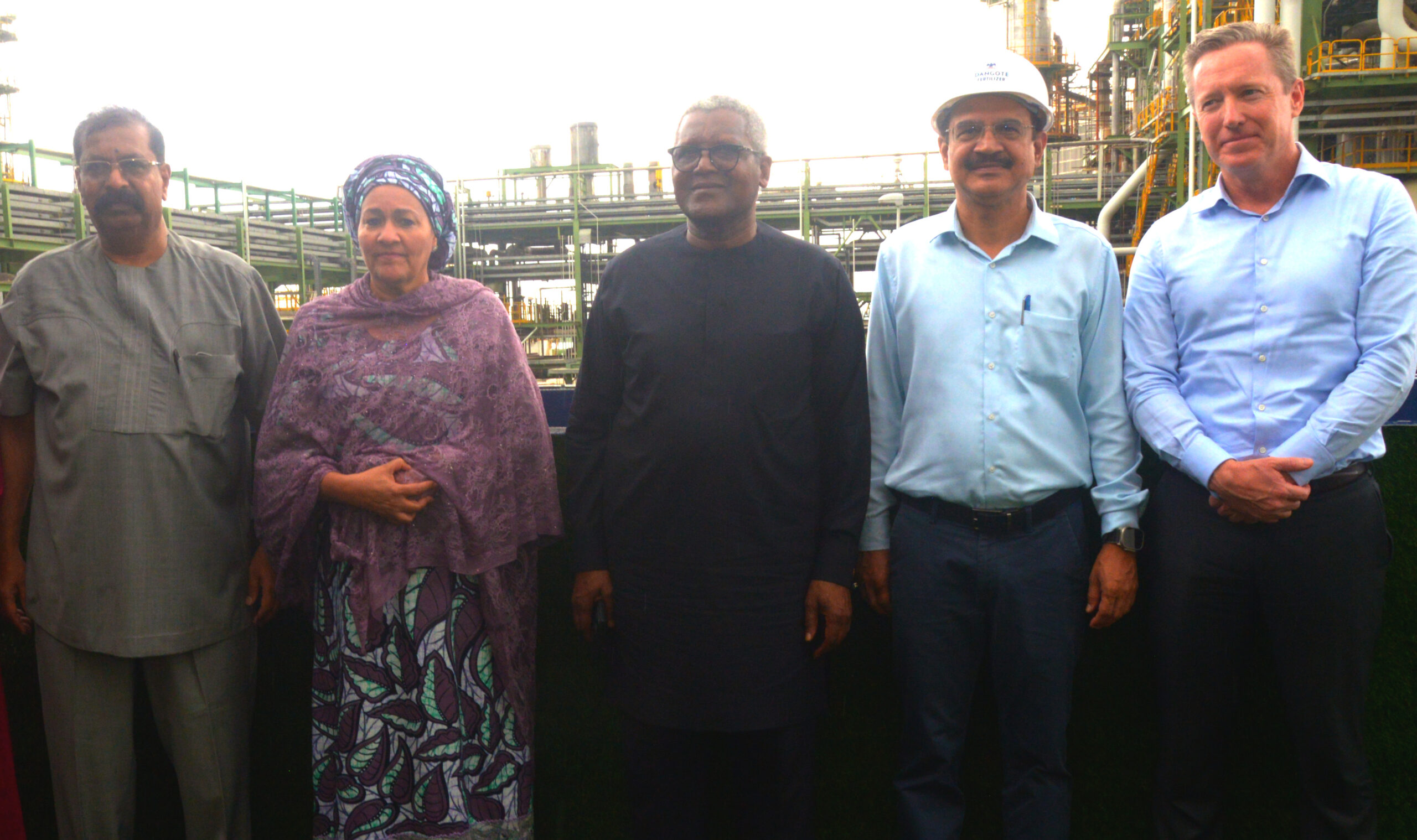
The Deputy Secretary-General of the United Nations, Amina Mohammed, has underscored the strategic importance of Dangote Industries Limited -particularly Dangote Fertiliser Limited—in addressing Africa’s mounting food security challenges, while calling for stronger global partnerships to scale its impact.
Speaking during a visit to the company’s industrial complex in Ibeju-Lekki, Lagos, Mohammed said the United Nations would prioritise amplifying scalable solutions capable of mitigating the continent’s food crisis, describing Dangote’s integrated industrial model as a critical pathway.
“I think the UN’s job here is to amplify and to put visibility on the possibilities of mitigating a food security crisis, and this is one of them,” she said. “I hope that when we go back, we can continue to engage partners and countries that should collaborate with Dangote Industries.”
Her remarks comes at a time of heightened concern over food shortages and supply chain disruptions across Africa, driven by global economic pressures, climate-related shocks and geopolitical tensions, particularly in the Middle East.
The President/Chief Executive, Dangote Industries Limited, Aliko Dangote, said the group has ramped up exports of urea and Premium Motor Spirit (PMS) to African markets affected by supply disruptions arising from the crisis.
Noting the widening impact of the situation across the continent, Dangote said the company has intensified shipments of fertiliser to support agricultural productivity and ease supply constraints.
“The challenges are many. One is of urea, which is fertiliser that we have. I think in the last couple of days we’ve been loading to mostly African countries, which we were not doing before,” he said. “And then now it’s to do with petroleum products, which we are now sending mainly to African countries,” Dangote said.
He added that the refinery has shipped about 17 cargoes of petrol to African countries to cushion the impact of the crisis, leveraging its 650,000 barrels per day capacity to stabilise supply across multiple regions.
“What I can do is assure Nigerians … and most of West Africa, Central Africa, and East Africa, we have the capacity to supply them,” Dangote said.
On feedstock supply, Dangote commended the Nigerian National Petroleum Company Limited for increasing crude deliveries to the refinery in March, noting that volumes rose to 10 cargoes—six supplied in naira and four in dollars—to support domestic fuel availability.
“Last month, they gave us six cargoes for naira and four cargoes for dollars,” he said.
Despite the improvement, the supply remains below the 19 cargoes required for optimal operations, with the refinery continuing to bridge the gap through imports from the United States and other African producers.
Dangote also expressed concern over the unwillingness by international oil companies operating in Nigeria to sell to the refinery, stating that their preference for selling crude to traders forces it to repurchase at higher costs, with broader implications for the economy.
He added that the refinery is seeking increased access to domestically priced crude under local currency arrangements as part of efforts to moderate fuel costs and enhance long-term energy and food security across the continent.
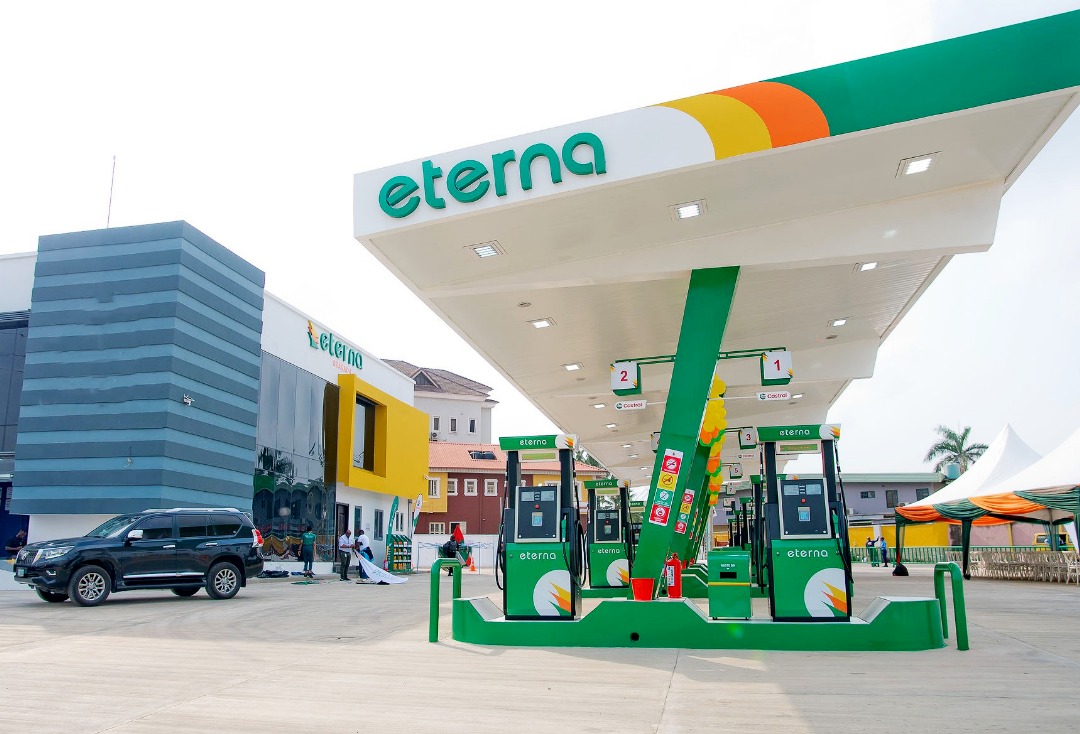
Eterna Plc yesterday announced its audited financial results for the full year ended 31 December 2025, delivering a strong performance marked by significant profit growth and improved balance sheet strength.
The Company recorded revenue of ₦302.37 billion for the year, while profit before tax (PBT) rose to ₦7.27 billion, representing a 52.9 per cent year-on-year increase from ₦4.48 billion in 2024. Profit after tax stood at ₦2.92 billion, with earnings per share (EPS) of ₦2.24, reflecting enhanced value creation for shareholders.
The company’s financial position strengthened during the year, with total assets rising to ₦92.19 billion, driven by its inventory, while shareholders’ funds increased to ₦7.77 billion, reflecting improved retained earnings and enhanced balance sheet resilience.
The performance reflects the Company’s continued focus on operational efficiency, improved cost management, and strategic positioning across its fuels, lubricants, and gas businesses.
In line with its commitment to delivering value to shareholders, the Board of Directors has proposed a dividend of ₦0.50 per share for the financial year ended 31 December 2025, subject to shareholders’ approval at the upcoming Annual General Meeting.
Commenting on the full 2025 FY results, Managing Director/Chief Executive Officer, Olumide Adeosun, stated that the company remains focused on operational efficiency and sustainable asset expansion, while strengthening its market position across its fuels, lubricants, and gas businesses.
“Eterna Plc remains committed to building on this performance through retail expansion, increased product offerings, operational improvements, and customer-focused initiatives aimed at enhancing value for our shareholders,” Adeosun said.

-

 Art & Life9 years ago
These ’90s fashion trends are making a comeback in 2017
-
Entertainment9 years ago
The final 6 ‘Game of Thrones’ episodes might feel like a full season
-
Business9 years ago
The 9 worst mistakes you can ever make at work
-
Art & Life9 years ago
According to Dior Couture, this taboo fashion accessory is back
-
Entertainment9 years ago
The old and New Edition cast comes together to perform
-
Entertainment9 years ago
Mod turns ‘Counter-Strike’ into a ‘Tekken’ clone with fighting chickens
-
Sports9 years ago
Phillies’ Aaron Altherr makes mind-boggling barehanded play
-
Entertainment9 years ago
Disney’s live-action Aladdin finally finds its stars