
Maritime
NPA’s digital call-up handles 3.4m trucks, delivers 65% cost drop

• As NSW set for Q1 2026 rollout
Nigeria’s port digitalisation drive has achieved major milestones with the Electronic Call-Up System processing 3.4 million truck movements since February 2021 while slashing cargo transportation costs by 65 per cent, as the nation prepares to launch the National Single Window (NSW) platform in the first quarter of 2026, to cut clearance time to less than 24 hours.
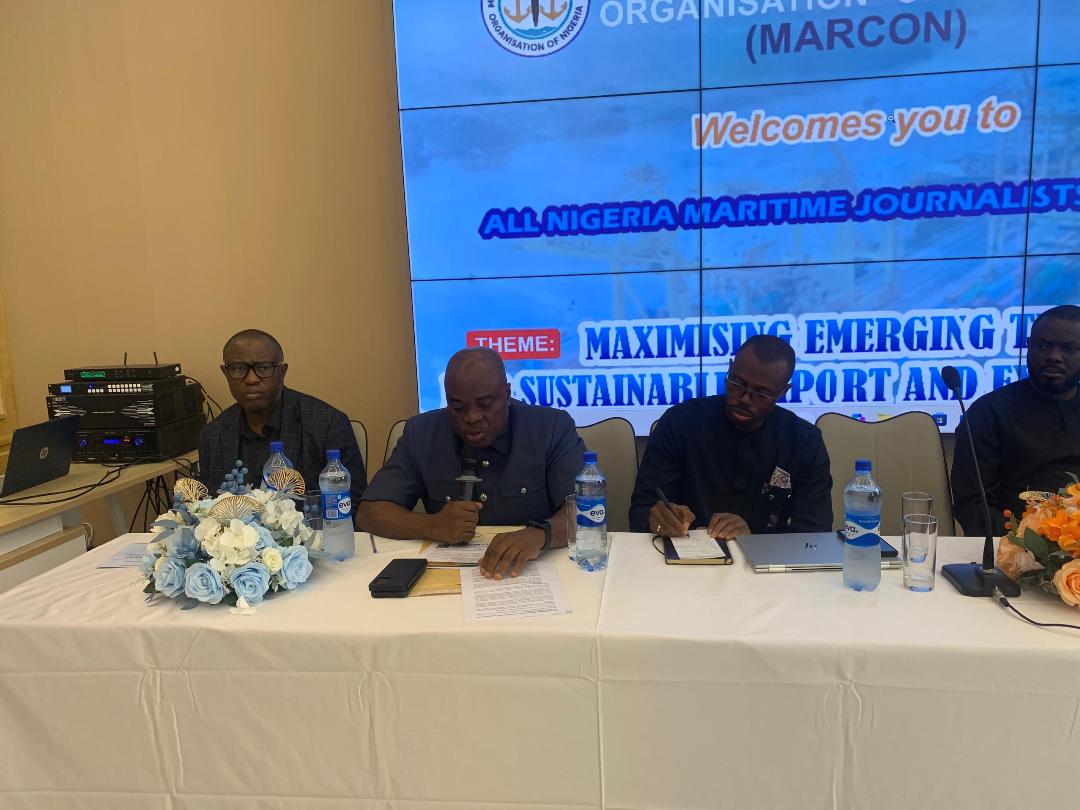
The twin technological interventions are positioned to transform Nigeria’s maritime logistics landscape and strengthen the country’s competitiveness as a regional trade hub, according to officials at All Nigerian Maritime Journalist Retreat organised by the Maritime Correspondents Organisation of Nigeria (MARCON) in Lagos.
The Managing Director of the Nigerian Ports Authority, Dr. Abubakar Dantsoho, said the E-Call Up System has evolved from an emergency response to tackle gridlock into a robust digital logistics management framework delivering measurable gains in efficiency and orderliness along the Apapa and Tin Can Island port corridors.
“The E-Call Up System, known as ETO, was introduced by the Management of Nigerian Ports Authority on 27th February 2021. It was conceived as a digital reform to restore order, transparency, and efficiency to the Port access roads,” Dantsoho stated during his address at the retreat with the theme “Maximising Emerging Technologies for Sustainable Import and Export Trade” held at Lekki Free Zone on December 4, 2025.
He explained that prior to the system’s deployment, the Apapa and Tin Can corridors were overwhelmed by indiscriminate truck movements, gridlock and long dwell times, conditions that severely undermined trade facilitation and economic productivity.
“Today, the E-Call Up System has become a transformative tool, enabling structured truck inflow, improving logistics coordination, and aligning Nigerian port operations with global best practices,” he said.
Dantsoho disclosed that NPA recently undertook a comprehensive review of the E-Call Up framework, resulting in two significant advancements. The first is the redesign and security enhancement of ETO tickets, which are now tied directly to Terminal Delivery Orders and Vehicle Entry Permits to ensure traceability and eliminate fraudulent duplication or resale.
“This ensures traceability, eliminates fraudulent duplication or resale, and strengthens transparency across the evacuation process. The redesigned ticketing framework directly addresses vulnerabilities previously exploited by bad actors and enhances the integrity of the system,” he explained.
The second advancement, he said, is the full integration of terminal gate barriers with the ETO platform, ensuring barriers open only after verifying valid, electronically authenticated tickets.
“This prevents criss-crossing of trucks, eliminates unauthorised diversions, and ensures that trucks only enter Terminals for which they have been properly scheduled. This advancement has improved sequencing, reduced human interference, and reinforced operational discipline across the port value chain,” Dantsoho said.
He assured stakeholders that under the current leadership, NPA remains resolute in deepening reforms and ensuring the port corridor never returns to the era of chronic congestion.
“Our goal is clear: to support Nigeria’s long-term trade facilitation objectives and strengthen our country’s global competitiveness,” he stated.
The Managing Director of Truck Transit Parks Limited, the concessionaire managing the electronic call-up system, Jama Onwubuariri provided detailed statistics on the platform’s performance since inception. He revealed that cargo transportation costs have dropped from as high as N1.4 million to between N350,000 and N500,000, representing approximately 65 per cent reduction.
“Since inception, the system has processed approximately 3.4 million truck movements in four years and nine months. Truck turnaround time has fallen from two to three weeks to two to three days,” Onwubuariri disclosed during his presentation.
He recalled the severity of the gridlock before the reforms, noting that traffic in Apapa was so severe that commuters abandoned their vehicles and resorted to motorcycles and boats to reach their workplaces, with gridlock stretching from Apapa to Surulere and Mile 2, obstructing emergency services and crippling businesses.
“Today, the situation has improved dramatically as most Apapa access roads now experience free traffic flow, with congestion limited mainly to the ‘Mr. Biggs axis’ near the port gates,” he explained.
Onwubuariri said the company has introduced 170 new feature updates to address emerging issues while maintaining 100 per cent uptime since the platform launched in February 2021, an achievement he noted surpasses even some global tech platforms that experienced downtime in the same period.
The TTP boss disclosed that the platform has been synchronised with the Central Bank’s Nigerian Export Proceeds portal, ensuring exporters complete regulatory processes before booking port access.
However, he identified persistent challenges including truck plate number duplication and use of fake or cloned numbers, non-compliance with Terminal Delivery Orders, terminal efficiency gaps where some operators take up to three hours to process trucks, and extortion by security officials creating artificial bottlenecks.
“While the electronic system has curtailed bribery by eliminating manual clearance, some uniformed personnel still exploit truckers, demanding payments before allowing movement,” Onwubuariri stated.
To address these gaps, TTP has proposed deploying a new E-tag digital identity system on truck windscreens to eliminate identity fraud, linking all bookings with standardised interchange transaction numbers tied to Vehicle Entry Permits or Terminal Delivery Orders, improved terminal infrastructure investment, stronger consequence management for violators, and firm government directives to curb extortion by security agencies.
“There are still people who hear ‘Apapa’ and shake their heads because of the terrible experiences they had before 2021,” Onwubuariri said, reaffirming TTP’s commitment to working with NPA and relevant stakeholders to sustain the gains.
On the National Single Window project, the Head of Change and Stakeholder Management for the NSW, Ayokunnu Ojeniyi, who represented the Executive Chairman of the Federal Inland Revenue Service, Dr. Zacch Adedeji, revealed that Nigeria has entered the most advanced stage of implementation since first adopting the concept many years ago.
Ojeniyi explained that the current level of progress represents a major milestone, noting this is the first time the country has produced a working version of the platform for public and institutional review, describing the development as a turning point in Nigeria’s long, repeated attempts to implement a single window system.
“The National Single Window is structured as a central digital platform through which all importers, exporters and trade operators can submit standardised documentation once, allowing all relevant government agencies to access the information simultaneously,” Ojeniyi stated.
He said the system will eliminate duplication, minimise delays, reduce manual handling of documents and improve visibility across the entire regulatory chain, adding that while countries like Ghana have used similar systems successfully for more than a decade, Nigeria is building a version designed to exceed regional performance benchmarks.
“The NSW is expected to cut clearance time to less than 24 hours when fully operational, significantly reduce the country’s average export processing duration, lower business costs and enhance transparency across all trade agencies,” he emphasised.
Ojeniyi explained that the platform will strengthen customs risk management and streamline overlapping roles between regulatory institutions such as the Standards Organisation of Nigeria and the National Agency for Food and Drug Administration and Control, helping eliminate long-standing bottlenecks that have increased the cost of doing business in Nigeria.
He disclosed that progress has accelerated since President Bola Tinubu launched the implementation phase in April 2024, with the project team completing detailed business process analysis, implementing the first round of User Acceptance Testing with several regulatory agencies, and beginning additional rounds of testing with NPA and the Nigerian Maritime Administration and Safety Agency.
“Another phase of testing is scheduled for January 2026, while full scale training for all users across the trade ecosystem will begin in February,” he said, confirming the system has been designed to integrate seamlessly with the Nigeria Customs Service’s NICIS II platform.
Ojeniyi attributed the unprecedented level of progress to strong political backing, pointing out that the project’s steering committee operates from the Office of the President and includes all major trade-related agencies.
“The President’s consistent interest has provided the momentum needed to harmonize agency positions and push the project forward where earlier versions stalled,” he noted.
Citing international case studies, he said countries with operational single window systems have successfully reduced export processing times from more than ten days to just two or three, expressing confidence that Nigeria can match and surpass these results within one to two years of full implementation, positioning the country as a leading trade hub in West Africa.
“The benefits of the NSW will become evident quickly once the platform goes live,” Ojeniyi assured, calling for continued stakeholder support and public engagement as the rollout approaches.
The President of the Maritime Correspondents Organisation of Nigeria, Ismail Aniemu, underscored the importance of well-informed reporting in strengthening the nation’s maritime sector, explaining that the retreat was organised to equip journalists with knowledge needed to support major government policies. He emphasised the strategic role Nigeria plays as a central hub for West and Central Africa, noting that the country’s economic growth has significant regional impact.
“The maritime sector’s contribution to employment, access and exit systems, and national productivity means that inefficiencies such as prolonged vessel turnaround time slow economic progress and weaken competitiveness,” Aniemu stated.
Sakeholders agreed the developments demonstrate Nigeria’s commitment to leveraging technology for trade facilitation and positioning the country competitively in regional and global maritime commerce.













- Fiscal measures take effect
The Federal Government has reduced the import levy on both new and used vehicles as part of its 2026 Fiscal Policy Measures
The move, the government said, is aimed at lowering the cost of vehicle importation, easing the burden on importers and improving access to vehicles for consumers.
The new fiscal measures, which took effect on July 1 2026, form part of a broader review of Nigeria’s import tariff structure and customs regime designed to stimulate economic activity and support trade.
Under the revised policy, the import levy on new vehicles has been reduced from 20% to 10%, while the levy on used vehicles has been cut from 15% to 5% per cent.
According to government, “Beginning 1st July 2026, the Nigeria Customs Service will implement the Green Tax Surcharge as part of the 2026 Fiscal Policy Measures to support environmental sustainability. while also reducing the import levy on new vehicles from 20% to 10% and that of used vehicles from 15% to 5% to ease the cost of vehicle importation?”
Importers and dealers have since welcomed the development, describing it as a positive step forward.
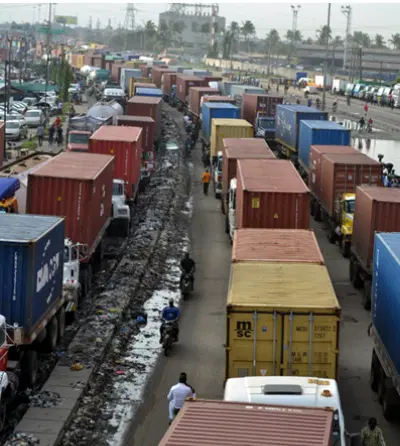
The Nigerian Ports Authority (NPA) has inaugurated a multi-agency task force to address the resurgence of traffic congestion along the Lagos port access roads, as part of renewed efforts to ensure seamless cargo evacuation and sustain improvements in port operations.
The initiative followed a stakeholders’ meeting convened by the Managing Director of the NPA, Dr. Abubakar Dantsoho, last month, where security agencies, freight forwarders, truck operators and representatives of the Lagos State Government agreed on coordinated measures to eliminate bottlenecks affecting cargo movement.
Deliberations at the meeting identified illegal extortion points, overlapping responsibilities among security agencies and other operational inefficiencies as major causes of the renewed gridlock along the port corridor.
Speaking on the outcome of the meeting, the General Manager, Corporate and Strategic Communications of the NPA, Ikechukwu Onyemakara, said the Authority remains committed to ensuring the unhindered movement of cargo to and from the nation’s seaports.
According to Onyemakara, the task force has been mandated to monitor truck movement along the port access roads on a regular basis, identify disruptions capable of causing traffic gridlock and immediately resolve such issues before they escalate.
He explained that members of the team would not establish checkpoints along the corridor but would instead maintain strategic presence at designated locations to ensure compliance while avoiding further obstruction to traffic.
To facilitate swift response to emerging challenges, Onyemakara said the task force has created a dedicated WhatsApp platform through which members can instantly report traffic violations and other incidents requiring immediate intervention.
On the renewal of the Electronic Truck Call-Up (ETO) system contract, which expired recently, the NPA spokesman said the Authority is reviewing the contractual terms to ensure a stronger and more effective framework before awarding a new agreement.
He, however, clarified that the ETO platform remains operational under the management of Truck Transit Parks (TTP) pending the conclusion of the procurement process.
He expressed optimism that the renewal process would be completed soon.
Reaffirming the Authority’s commitment to maintaining free-flowing port access roads, Onyemakara noted that efficient logistics remain central to the NPA’s strategy to enhance Nigeria’s port competitiveness and sustain the country’s improving global reputation.
“We are more interested in the free flow of logistics into our ports than anyone else because it is in our own interest,” he said.
He added that the Authority was determined to consolidate the gains already recorded in port efficiency, citing recent international recognition, including positive assessments by the World Bank, as evidence of ongoing progress.
“We are determined to sustain and even surpass the improvements already recorded in our port system. You can be assured that we remain fully committed to achieving the best possible performance from our ports,” Onyemakara said.
The newly inaugurated task force comprises representatives of the NPA, the Nigeria Police Force, the National Association of Government Approved Freight Forwarders (NAGAFF), the Association of Nigerian Licensed Customs Agents (ANLCA), the Federal Road Safety Corps (FRSC), the Maritime Workers Union of Nigeria (MWUN), the Nigerian Association of Road Transport Owners (NARTO) and the Association of Maritime Truck Owners (AMATO).
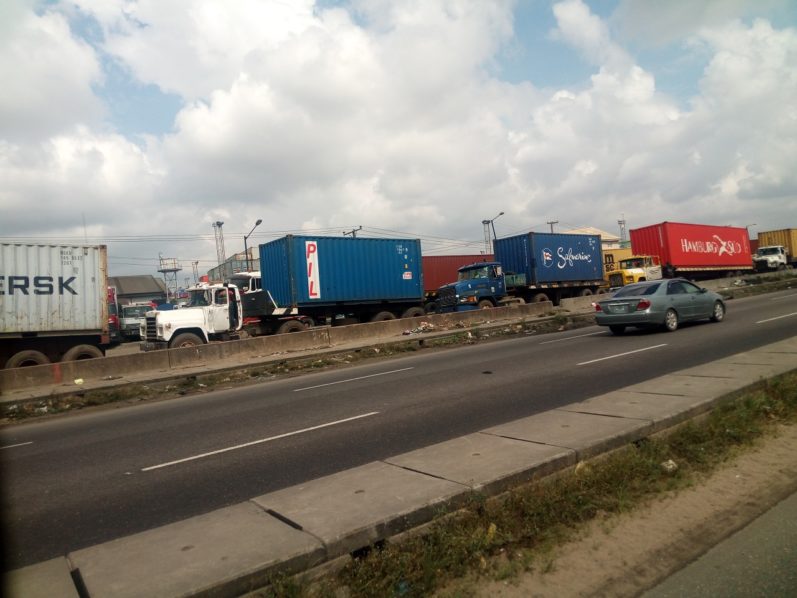
Stakeholders operating within the Lekki Deep Seaport corridor have agreed on a series of measures aimed at eliminating the persistent traffic gridlock that has crippled access roads to the port and adjoining industrial facilities for more than a year.
The resolution was reached at a strategic stakeholders’ meeting convened by the Nigerian Ports Authority (NPA) and chaired by the Lekki Port Manager, Emmanuel Anda.
The meeting was attended by representatives of the Lagos State Government, Lekki Port, Dangote Refinery, truck owners’ associations, the Electronic Truck Call-Up System operator, and other key industry stakeholders.
A major decision taken at the meeting was the prohibition of stationary trucks and tankers along the Lekki port corridor.
Stakeholders agreed that all trucks must remain in designated holding bays and waiting areas until they receive clearance to proceed to the port or industrial facilities.
The agreement followed an inspection tour of the Lekki port access roads by the stakeholders, who witnessed firsthand the severity of the traffic congestion. They subsequently resolved that the situation could no longer be allowed to persist.
Speaking at the meeting, the representative of Mycallup, the electronic truck call-up system operator for the Lekki Port corridor, Timi Koteolu, identified trucks servicing Dangote Refinery outside the electronic scheduling platform as one of the major causes of the gridlock.
According to him, many truck drivers operating with Dangote Refinery’s Authority to Collect (ATC) permits have been found parking indiscriminately along the roads while waiting to gain access to the refinery.
Koteolu disclosed that trucks servicing the refinery are currently not integrated into the port’s electronic call-up system, a development he said has contributed significantly to the traffic bottleneck.
Responding, the representative of Dangote Refinery, Jaiyeola Moshood, explained that the ATC permits serve as the approved access mechanism for tankers entering the refinery.
However, the management of the electronic truck call-up system maintained that trucks without an active call-up should not approach the port corridor and should instead remain in designated waiting areas until they are required at their respective terminals.
The Association of Maritime Truck Owners (AMATO) and the National Association of Road Transport Owners (NARTO) pledged their support for the initiative, promising to sensitise their members while calling for strict enforcement of traffic regulations to restore order along the corridor.
Also speaking, the Coordinator of NUPENG Dangote Refinery, Ademola Adeshina, stressed the need to decongest the port corridor and assured stakeholders that his members would comply with the established Standard Operating Procedures.
Anda commended the stakeholders for their commitment to finding a lasting solution to the traffic challenge and urged all parties to adopt a practical approach to addressing the menace.
He specifically encouraged Dangote Refinery to fully integrate with the electronic truck call-up platform, noting that such collaboration would significantly improve traffic management and reduce the indiscriminate presence of trucks on the access roads.
The Lekki Port Manager also assured participants that discussions would continue with the management of Dangote Refinery to strengthen coordination of truck movements, stressing that vehicles issued with ATC permits should only proceed when duly cleared.
Stakeholders expressed optimism that the collective measures would restore free flow of traffic, improve operational efficiency, and enhance safety along the Lekki port corridor, a critical gateway for Nigeria’s expanding maritime and industrial activities.

-

 Art & Life9 years ago
These ’90s fashion trends are making a comeback in 2017
-
Business9 years ago
The 9 worst mistakes you can ever make at work
-
Entertainment9 years ago
The final 6 ‘Game of Thrones’ episodes might feel like a full season
-
Art & Life9 years ago
According to Dior Couture, this taboo fashion accessory is back
-
Entertainment9 years ago
The old and New Edition cast comes together to perform
-
Entertainment9 years ago
Mod turns ‘Counter-Strike’ into a ‘Tekken’ clone with fighting chickens
-
Sports9 years ago
Phillies’ Aaron Altherr makes mind-boggling barehanded play
-
Entertainment9 years ago
Disney’s live-action Aladdin finally finds its stars