
Business
The unending meter conundrum

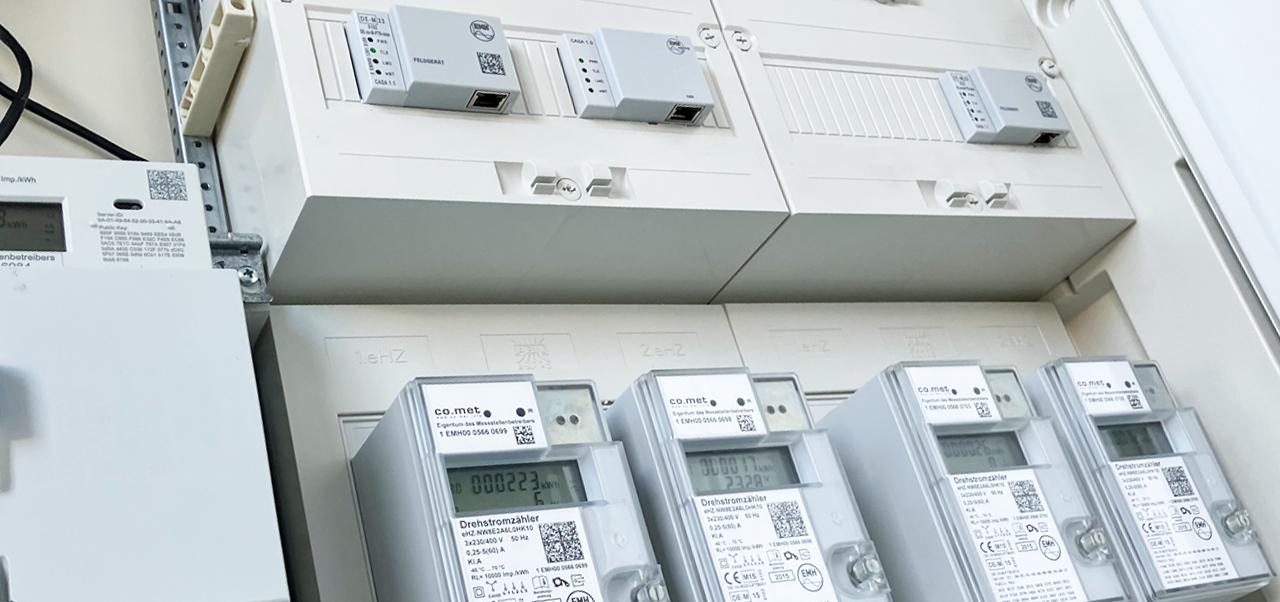
The federal government has implemented several initiatives aimed at ensuring adequacy in electricity metering. These efforts have however proved to be almost ineffective even as the metering gap in the country remains at seven million. Stakeholders in the industry have since called for the liberalisation of meters sales and purchase as a way around the conundrum. Last week, the Power Minister appeared to have stirred the hornet’s nest declaring that meters under DISREP be issued and installed free of charge to consumers. The fallout has caused bickering between the DISCOS, consumers and other stakeholders- threatening over the installation of 1.5 million meters.
The Power Minister, Adebayo Adelabu, may have been a self-effacing man during his time at the Central Bank of Nigeria (CBN). However, owing to the quantum of demands and expectations of the ministry he superintends presently, the Adelabu has had to shout himself to the rooftops.
While the minister may have unwittingly been vocal, stakeholders are convinced that it may be as a result of the need to succeed by delivering power to the Nigerian public, especially at a time when patience seem to be running out.
His latest outburst on metering is one that obviously touches the raw nerves of electricity consumers as well as the utilities.
“I want to mention that it is unprecedented that these meters are to be installed and distributed to consumers free of charge—free of charge! Nobody should collect money from any consumer. It is an illegality. It is an offence for the officials of distribution companies across Nigeria to request a dime before installation; even the indirect installers cannot ask consumers for a dime. It has to be installed free of charge so that billings and collections will improve for the sector,” an elated Adelabu said last week during an on-site inspection of newly imported smart meters at APM Terminals, Apapa, Lagos.
But the statement by the Minister exposed a brewing tension in the sector, leading to divergent tunes from all stakeholders in the electricity value chain, placing the Distribution Companies (DisCos) and the Federal Government at logger heads over who pays for the cost of the meters and installation.
The metering schemes
The issue of meters in the sector remains very touchy given that efforts at ensuring adequately metering of electricity consumers have at best not yielded the desired result. To date, Nigeria has an estimated shortfall of seven million meters- a situation that has both placed a huge revenue loss on the electricity value chain as well as the consumers who are slammed bith bogus estimated billings.
There are various metering schemes initiatives by the federal government aimed at reducing the seven million metering gap in the country. These include Meter Asset Provider (MAP), as enshrined in 2018/2019 via a NERC regulation allowing third-party investors to supply and install meters. Customers under this scheme pay upfront for meters and are refunded through energy tokens over time. MAPs are companies granted approval by NERC to procure and install meters for customers of DisCos. Customers are required to make an upfront payment for the meter and the cost recovered over a period of time approved by the NERC.
In 2020, the National Mass Metering Programme (NMMP), a Federal Government initiative funded by the CBN to provide free meters to Nigerians, aiming to end estimated billing, was introduced. This intervention sought to increase metering rate, eliminate arbitrary estimated billing, strengthen the local meter manufacturing sector, job creation and reduction of collections losses. Under this scheme, meters are provided and installed at no upfront cost to the consumer.
A seed capital of ₦200 billion was invested to facilitate the Nigeria Electricity Supply Industry (NESI) revenue collections through the programme. Under Phase-0 of the NMMP, the sum of ₦59.280 billion was set aside for financing the installation of one million meters.
From inception to date, 89.96 per cent of the funds allocated for NMMP under phase 0 has been disbursed to 11 DisCos for procurement of 962,832 meters through 23 Meter Asset Providers.
The funding under Phase 0 is through the CBN/NESI; financing for the phase 1, with a procurement of 1.5 million meter units, is through the CBN/ DMBs (Deposit Money Banks), while financing for the Phase 2, with a four million meter units procurement, is from the World Bank.
Still is the Presidential Metering Initiative (PMI), established in 2023, as a five-year, 10-million-meter initiative, supported by the Nigeria Sovereign Investment Authority (NSIA) and World Bank, designed to fast-track metering. This initiative aims to close the metering gap for 60 per cent of estimated-billing customers by 2027 through the deployment of over five million smart meters to be funded by the Meter Acquisition Fund (MAF) and Federation-funded initiatives. The Meter Acquisition Fund (MAF) Tranche B, guaranteed NERC-approved funds of ₦28 billion for Discos to provide free meters specifically for Band A and B customers.

Dr. Joy Ogaji
Funding for meters under MAF is built from a pool of contributions from all 12 DisCos based on their market collections. It gives priority in tiers- with the current phase (Tranche B) focusing on completing the metering of all outstanding Band A customers before fully extending to Band B. DisCos must use these funds to procure meters through competitive bidding and complete installations by specific deadlines.
Also is the Distribution Sector Recovery Program (DISREP), a $500 million World Bank-funded initiative to deliver 3.4 million smart meters for free to consumers. It also aims to improve the financial and technical performance of the country’s electricity distribution companies (DisCos). Like the NMMP and MAP Schemes, DisCos are expected to repay the cost of these meters over a period of ten-years. DisCos are also responsible for distribution, installation and maintenance of these meters within their franchise states.
A far older metering scheme was the Credited Advance Payment for Metering Implementation (CAPMI), introduced by the NERC in 2013. The CAPMI allowed electricity customers to pay for their own meters to speed up installation and avoid estimated billing. Customers, who paid for meters directly were to be refunded through energy credits over a set period. The scheme was wound down in 2016 after it was found that only about 500,000 meters were deployed between 2013 and 2016, with many DisCos failing to fulfill their obligations despite receiving funds.
How free are meters?
Adelabu’s free meter installation directed that prepaid meters procured under the World Bank–funded DISREP, has elicited mixed reactions. While the government argued that electricity consumers will only pay for the ongoing free meter installation through deductions from their electricity tokens, the DisCos are concerned over the long period of recovery of such funds which spans over a period of 10 years. They argue that such arrangement has effects on their operations, especially cost recovery, installation expenses and the financial implications.
The position of government is understandable given that suppliers, it claimed, have already been fully paid for both the meters and the installation. Therefore, the reasoning is that Discos charging consumers again for installation would not only slow down the meter uptake, but it will also undermine the goal of the initiative.
The Minister’s team pointed to poor enumeration and inaccurate customer information as the main bottlenecks, disclosing that installers are often sent to wrong addresses or to premises that are not technically ready for metering. The Director-General, Bureau of Public Enterprises (BPE), Ayo Gbeleyi, takes the Discos’ position with a pinch of salt. Gbeleyi, who was in attendance at the N501billion bond issuance signing ceremony to settle legacy debts in the power sector, regretted that the god gesture of government in line with free metering was being antagonised by the utilities.
He maintained that claims of repayment over 10 years assertions were inaccurate and misleading, explaining that cost of meters, transformer, feeders, and other components of investments, are embedded in tariffs and recouped over time.
“We’ve had pushback. The truth is, every component of investment that goes into the DisCos gets recouped through the tariff structure. So, whether it is a feeder pillar, whether it is a transformer, or whether it is a meter, we as consumers will ultimately pay for those pieces of equipment through the tariff design,” the BPE boss clarified.
He explained further: “What they (Discos) are not telling you is that the Federal Government’s major intervention is indeed one of the best loan transactions today extended to the power sector. It is a 20-year loan facility. It comes with a five-year principal moratorium and a two-year interest moratorium to the DisCos. We have never seen any capital lending to that sector of that magnitude in the history of the power sector in Nigeria.”
A public sector analyst, Mayowa Sodipo, corroborated the position of Gbeleyi, insisting that at no point in time was meter allocation ever free of charge. For him, the while Adelabu may have played to the gallery with his statement knowing that these meters and installation costs have been factored into the electricity tariff paid by the consumer, he may have equally saved the consumers from exploitation.
“At no point was meter ever free to any consumer. You pay through your electricity purchase because it is deducted from your token over a period of time. So the Discos are not the ones even paying for the meters as they are now trying to claim, but the consumers because the cost is deducted from their electricity tariff bought. So the Discos are not paying but the consumers are paying for the meters,” Sodipo argued.
But the Discos are worried that as a business concern, the burden on payment for meters still rests with them. An official of a South West Disco who spoke on condition of anonymity depriving payment for installation is an extra burden on the Discos because this segment is contracted out to installers, who are not on the pay roll of the Discos.
“So if consumers are not paying for installation, who should? Is the minster saying that the Discos should still carrying the financial implication of this?” the official asked rhetorically.
In a submission on the development, a Kano state based social commentator, Dr. Abubakar Ibrahim, for Nigeria to close its metering gap, there is need for collaborative policy implementation between the regulators, government authorities, Discos and meter providers and installers.
“They must all agree to work together to establish a clear and sustainable funding framework that covers both meter procurement and installation. The federal government on its part must design a financial framework that will balance customers’ interest with the sector financial sustainability,” Dr. Ibrahim said.
He further said that while the federal government’s objectives is clearly to close the metering gap and ensure fair billing, however, lack of alignment with DisCos could unintentionally delay the very benefits the policy seeks to deliver.
The Executive Director, Emmanuel Egbigah Foundation, Prof Wunmi Iledare, submission in in sync with Dr. Ibrahim’s. He insisted that the development is a symptom of deeper structural and governance failures in the power sector. He said it is appalling for the Federal Government, as a part-owner of the DisCos, to publicly complain about their conduct without addressing underlying regulatory lapses, leaves more to be desired.
Way to go
Dr. Ibrahim and Prof. Iledare’s submissions summarises a critical issue in the metering scheme. Key industry stakeholders in the value chain blamed the Discos shows of apathy of Discos towards meter installation on the fact that they have not been part of the procurement process including the selection of installaters.
“For this DISREP, the federal government nominated the installers, at a low cost expecting DisCos to cover some part of the cost to mobilise the installation activities. As usual since DisCos are not part of the entire procurement and acquisition process unlike other metering mechanisms, then they will show apathy; DisCos always wanted to have a say in some of these projects.
“On paper the paper the meters are free but the last mile issues are cost burdens that the DisCos are not willing to cover. This is why the process is slow and bulk of the facilities are in stores across the DisCos,” a very senior official of a Disco, who asked to be anonymous owing to the sensitivity of the matter, revealed at the weekend.
With a recurring situation, the Managing Director / CEO/ Executive Secretary, Association of Power Generation Companies (APGC), Dr. Joy Ogaji, advocates that metering should be liberalized. To this end, Ogaji argued, both government and Discos should hands off meter matters and allow it to run like the mobile phone is run in the telecommunications sector so that consumers can freely go to the open market to buy meters.
Although she agreed that when customers buy meters from shops instead of DisCos, revenue assurance can become challenging, she nonetheless said this can be addressed through meter registration with DisCos to track usage and ownership; standardistion, by mandating the use of approved, tamper-evident meters with remote monitoring capabilities; implementing a centralised vending systems for meter top-ups, linking purchases to customer accounts and collaboration with shops and regulators to ensure compliance with industry standards, insisting that this approach helps DisCos track revenue and reduce losses
“Design the standard or specifications for the meters for various categories- 1-phase, 3phase etc; make it available in shops for anyone to purchase; train installers and only contact your Discos to inform them of synchronization. With this, no cunnundrum; everyone is happy, except there are ulterior motives,” Ogaji submitted, warning that if after 15 years of privatization of the sector, metering still remains a problem, then there is no point continuing with is the way it is being done.


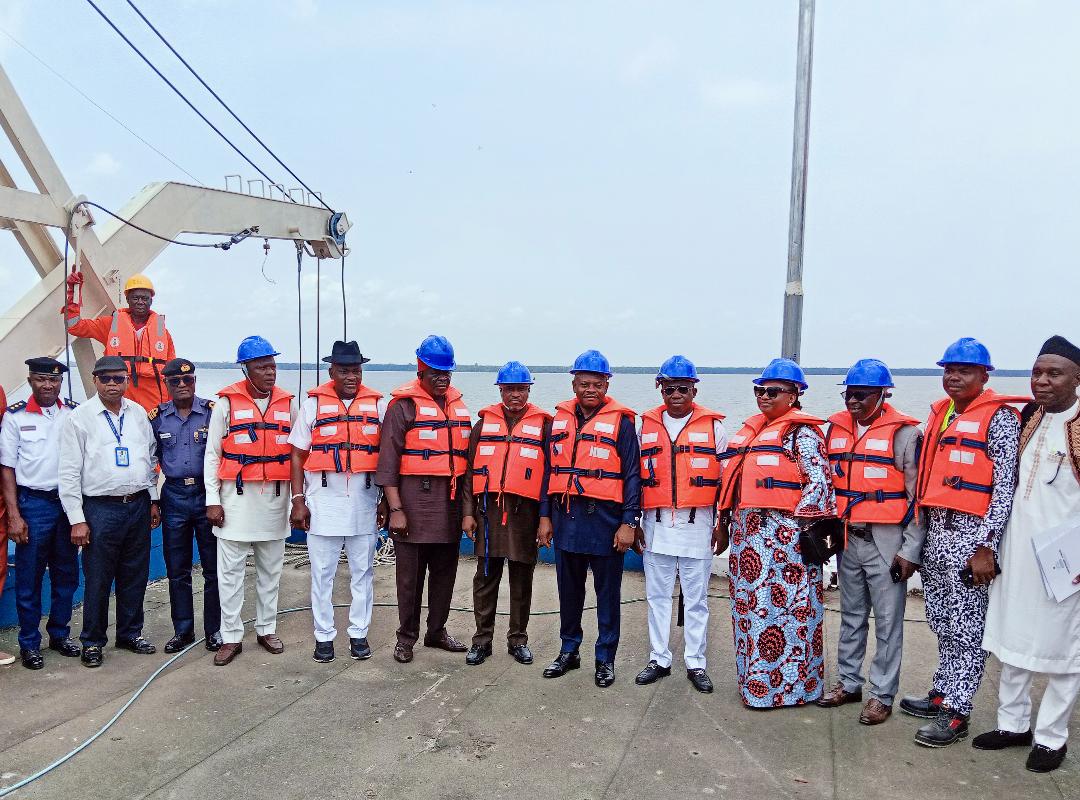
The process of disbursing the long-awaited Cabotage Vessel Financing Fund (CVFF) to Nigerian shipowners has commenced, the Deputy Chairman of the House of Representatives Committee on Maritime Safety, Education and Administration, Uduak Odudoh, has said.
He credited the Minister of Marine and Blue Economy, Dr. Adegboyega Oyetola and the Director-General of the Nigerian Maritime Administration and Safety Agency (NIMASA) Dr. Dayo Moberola, for driving the milestone.
Odudoh made the disclosure during the committee’s oversight visit to the Maritime Academy of Nigeria (MAN), Oron, Akwa Ibom State – a visit that also laid bare the institution’s most ambitious one-year performance record in recent memory under Acting Rector Dr. Kevin Okonna.
“By the grace of God, and the wisdom of the Minister of Marine and Blue Economy, and the effort of the Director-General of NIMASA, the processes of releasing those funds to shipowners in Nigeria has started,” Odudoh told cadets assembled at the parade ground. “In less than no time, those monies will be disbursed. Once they are disbursed, shipowners will now expand — if they were having one ship, they will go to two ships, more vessels.”
The lawmaker, who represents Ikot Abasi/Mkpat Enin/Eastern Obolo Federal Constituency in Akwa Ibom State, said the fleet expansion triggered by CVFF disbursement would directly benefit MAN graduates, describing the institution as the most efficient maritime training academy in West Africa, recognised by the International Maritime Organisation (IMO). “It is our wish that once you finish, like your predecessors who are today onboard vessels, you will also be onboard vessels when you leave,” he told the cadets.
The committee’s visit came against the backdrop of a presentation by Acting Rector Dr. Kevin Okonna, who laid out a sweeping account of the academy’s 2025 performance that drew sustained commendation from lawmakers across party and state lines.
Okonna disclosed that of the 212 cadets who graduated from MAN in November 2025, 80 have since secured employment onboard vessels, a figure that electrified the committee and addressed the academy’s most persistent challenge: post-graduation unemployment. “During those years, the challenges had always been: where would the graduating cadet officers go after graduation? Today, the rector reeled out that about 80, as we speak, have onboard vessel. That gives you hope” Odudoh recalled.
A centerpiece of the academy’s employment drive is a three-year Memorandum of Agreement signed with NLNG Shipping and Marine Services Limited (NLMSL), which has already placed 43 cadets aboard NLNG vessels — 13 in December 2024 and a further 30 in late February 2026. Okonna noted that the Nigerian Shipowners Association also provided critical onboarding opportunities during the graduation period, with stakeholders visibly competing to recruit MAN cadets.
“It was during the graduation when I saw how stakeholders scrambled for cadets that it dawned on me that the Maritime Academy under Okonna has indeed made a lot of improvements,” Rep. Paul Ekpo, representing Etinan/Nsit Ibom/Nsit Ubium Federal Constituency in Akwa Ibom, said. “The graduation ceremony was a very rewarding event — not just taking a child here and at the end of the day they struggle to get a place to work.”
Okonna noted that on March 11, 2026, the eve of the committee’s visit, MAN Oron received certification of its quality management system from the Standards Organisation of Nigeria, conforming to ISO 9001:2015 and ISO 21001:2025. He described it as a landmark, noting the academy had never held quality management certification since its establishment in 1977.
The rector also announced active partnership negotiations with the Liberia Maritime Authority, driven by MAN’s ambition to attract foreign students and generate additional sea-time opportunities for Nigerian cadets.
“Liberia has the largest fleet of vessels in the world, yet does not have an institution near what we have. We approached Liberia to send their youths to MAN Oron, and in return, our cadets will gain sea-time training advantages aboard Liberian vessels,” Okonna explained.
He said a delegation including members of the academy’s governing council recently visited Monrovia for talks, with officials from the Liberian Maritime Training Institution expressing eagerness to visit the Oron campus.
Other 2025 milestones presented by Okonna included the establishment of the academy’s first-ever staff conditions of service, approved by the Head of Service of the Federation, and the development of a five-year strategic development plan submitted to the Federal Ministry of Marine and Blue Economy.
The academy, he said, also registered all graduating cadets with at least one international professional body: nautical science cadets with the Nautical Institute, marine engineering cadets with E-Marit, and maritime transport studies cadets with the Chartered Institute of Logistics and Transport (CILT). An MOU with the Abuja Memorandum of Understanding on Port State Control was also signed, following the academy’s development of a training course for Port State Control Officers in the sub-region.
He said wtudent numbers rose from 180 graduates in 2024 to 221 in 2025, while participation in specialised training courses climbed from 4,595 to 4,959 in the same period. The campus, he said, currently hosts 654 regular cadets across programmes in nautical science, marine engineering, electrical and electronics engineering, and maritime transport and business management.
The visit included an on-the-spot inspection of capital projects funded through the 2025 appropriation, including rehabilitation of the academy’s fire bay and survival pools, construction of a 500-seater auditorium complex, new access and internal roads, and the installation of solar-powered boreholes for the campus and host community.
Engr. Rodney Ambaiowei, the lawmaker representing Southern Ijaw in Rivers State and himself a former beneficiary of MAN’s practical training facilities during his engineering studies, commended the management while flagging budget inadequacies. “It is very appalling to see the meagre sums allocated for trainings for cadets and the even smaller amounts actually released,” he told the committee. “If we want this school to move forward, we have to improve on the budget to fund the institution in order to attract foreign students.”
Ambaiowei also advised the academy’s management to actively lobby National Assembly members to channel constituency capital projects to the institution.
Olufemi Ogunbanwo, representing Ijebu Ode/Odogbolu/Ijebu North East Federal Constituency in Ogun State, echoed those calls. “I want to commend you on the way and manner you have managed the meagre amount made available to you, and I plead with my colleagues that we should look at ways of bringing projects to support the academy,” he said, pledging the committee’s continued backing.
Mark Esset, representing Uyo/Uruan/Nsit Atai/Asutan/Ibesikpo Federal Constituency in Akwa Ibom and a self-described “son of the soil,” gave perhaps the most pointed assessment. Contrasting this visit with a previous oversight that devolved into open conflict between management and staff, Esset declared the transformation remarkable. “Last time we came, there was almost a physical fistfight between the Rector and the staff. Today the reverse is the situation — you have shown capacity, leadership, and the spirit of teamwork.”
He also raised the question of pending litigation between MAN and staff, as well as with the host community, and Okonna confirmed that while cases remain active, many have been resolved and no new ones are being added.
On the corporate social responsibility front, Okonna detailed how the academy constructed a market for the Eyo Abasi host community, installed a solar-powered borehole in response to complaints about river water consumption, restored public electricity supply to the Oron community after an eight-year blackout, and provided solar power to the palace of the Paramount ruler — initiatives Odudoh specifically commended.
Wrapping up the oversight, Odudoh delivered the committee’s verdict unequivocally. “From what the rector briefed us and what we have seen on ground, we are satisfied — satisfied in the areas of infrastructure, satisfied in the area of international partnership. What we noticed is that the rector has consolidated on the performances of his predecessor and improved upon that.”
Asked what MAN should expect from the National Assembly in 2026’s budgetary cycle, Odudoh drew a direct link between accountability and funding. “The most important thing is not approving the budget, the most important thing is accountability. Today, the rector has displayed the level of accountability we expected. Going forward, we will not hesitate giving him subsequent approvals.”
Okonna further noted the institution sits on about 100 hectares of land and remains committed to delivering internationally recognised maritime education and training in line with global standards.
“Our vision is to be internationally recognised as a centre of excellence in maritime education and training, and the support from the National Assembly has been instrumental in helping us maintain and upgrade our facilities,” he said.
In his closing remarks, Okonna urged Nigerians and international stakeholders alike to view the academy as a national asset worth protecting. “You don’t have two or many institutions with the size of this one and these facilities. We have to put hands together to get the benefit from the academy and that’s why we are driving this international partnership with every energy in us to bring international students to benefit because it’s enormous. We have to protect it, promote it, and get the best benefit from this facility,” he said.

….Culled from Reuters
Oil prices could extend gains today as the U.S.-Israeli war against Iran entered a third week, putting oil infrastructure at risk and keeping the Strait of Hormuz shut in the world’s largest supply disruption. U.S. President Donald Trump threatened further strikes on Iran’s Kharg Island oil export hub, drawing a defiant response of further retaliation from Tehran.
Brent and U.S. West Texas Intermediate crude futures have already spiked sharply and rattled global financial markets. Both contracts have surged more than 40 per cent so far this month to their highest levels since 2022 after the U.S.-Israeli attacks on Iran prompted Tehran to halt shipping through the Strait of Hormuz – a key chokepoint for a fifth of global oil supply.
Trump has urged China, France, Japan, South Korea, Britain and others to deploy warships to secure the strategic gateway.
The United States struck military targets on Kharg Island on Saturday, which was swiftly followed by Iranian drone attacks on a key oil terminal in the United Arab Emirates.
“This marks an escalation in the conflict,” JP Morgan analysts led by Natasha Kaneva said.
“Until now, the region’s oil infrastructure has largely been spared.”
Besides UAE’s Fujairah, Saudi Arabia’s Ras Tanura export terminal and Abqaiq oil processing facilities have been listed as critical and highly vulnerable energy nodes in the Gulf, the analysts said.
However, oil loading operations at Fujairah have resumed, a Fujairah-based industry source told Reuters yesterday.
Fujairah, outside the Strait of Hormuz, is the outlet for about one million barrels per day of the UAE’s flagship Murban crude oil – a volume equal to about one per cent of world demand.
Global oil supply is expected to fall by eight million bpd in March due to disruptions to shipping while Middle Eastern producers have cut output by at least 10 million bpd, according to the International Energy Agency (IEA).
Last week, the IEA agreed to release a record 400 million barrels of oil from strategic stockpiles held by member nations to combat price spikes. Japan plans to start releasing its oil today.
Meanwhile, the Trump administration has rebuffed efforts by Middle Eastern allies to start diplomatic negotiations, according to three sources familiar with the efforts, while Iran has rejected the possibility of any ceasefire until U.S. and Israeli strikes end, dimming hopes of a quick end to the conflict.
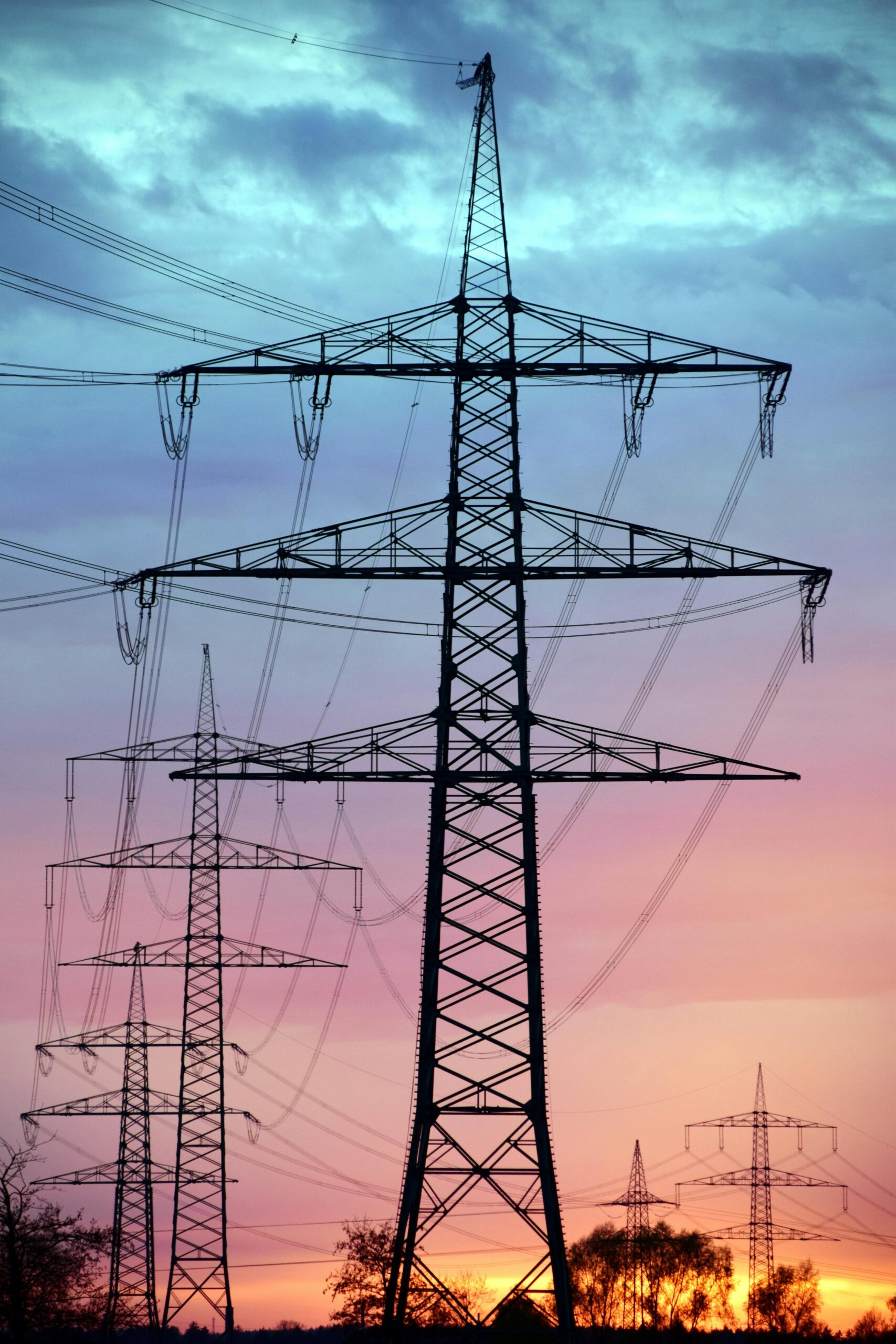
The Republic of Togo has expressed interest in increasing the volume of electricity it currently purchases from Nigeria through the Niger Delta Power Holding Company (NDPHC), as part of efforts to meet growing power demand and extend reliable electricity supply to newly connected customers across the country.
The request was made during a strategic meeting between the management of NDPHC and a delegation from the Compagnie Energie Electrique du Togo (C.E.E.T), the national electricity utility of the Republic of Togo.
The delegation was led by the Director-General of the organisation, Débo- K’mba BARANDAO, who paid a visit to NDPHC’s management to strengthen existing collaboration and explore opportunities for expanding cross-border electricity trade.
C.E.E.T, which is headquartered in Lomé, currently purchases about 75 megawatt-hours (MWh) of electricity from NDPHC on a bilateral basis, a supply arrangement that has helped the West African country maintain stable electricity delivery and support economic activities.
The imported electricity contributes to sustaining quality, reliable and affordable power supply for households, businesses and public institutions in Togo.
The Director-General of C.E.E.T commended NDPHC for the consistency of its electricity supply and the role the partnership has played in improving power reliability within Togo’s electricity network.
He noted that the collaboration has been beneficial to both organisations and has strengthened regional energy cooperation in West Africa.
According to him, the utility company is currently experiencing increasing electricity demand following the onboarding of new customers, including industrial and commercial users, as well as ongoing efforts by the Togolese government to expand access to electricity across the country.
In view of this development, C.E.E.T expressed strong interest in increasing the volume of electricity it off-takes from NDPHC, noting that additional supply would support the country’s power expansion strategy and ensure that newly connected consumers receive stable electricity.
The delegation also highlighted that strengthening energy trade with Nigeria remains an important component of Togo’s broader strategy to secure diversified and dependable power sources for its national grid.
Responding, the Managing Director and Chief Executive Officer of NDPHC, Jennifer Adighije, an engineer, reaffirmed the company’s readiness to deepen collaboration with C.E.E.T and continue supporting electricity exports to neighbouring countries in the West African sub-region.
She explained that NDPHC, which operates several power plants across Nigeria under the National Integrated Power Project (NIPP), has the capacity to support regional electricity supply and remains committed to promoting energy integration across West Africa.
The NDPHC boss noted that the partnership with C.E.E.T aligns with broader regional efforts aimed at strengthening electricity trade among member countries of the Economic Community of West African States and improving power availability across the sub-region.
While expressing willingness to increase electricity exports to Togo, she emphasised the need for bankable and sustainable commercial arrangements to guide future transactions between the two organisations.
According to her, establishing credible financial guarantees and structured payment mechanisms would help mitigate exposure to payment risks often associated with cross-border electricity supply, thereby ensuring the long-term sustainability of the partnership.
She stressed that a reliable payment framework would not only protect NDPHC’s commercial interests but also enable the company to continue supporting regional energy stability through power exports.
Both parties described the meeting as productive and reaffirmed their commitment to strengthening cooperation in the electricity sector. They also agreed to continue engagements aimed at developing workable frameworks that would support increased power supply from Nigeria to Togo.
Industry observers say the move reflects growing efforts by West African countries to deepen regional electricity trade and maximise existing generation capacity within the region to address persistent power shortages.
If implemented, the proposed increase in electricity offtake by C.E.E.T is expected to further strengthen energy cooperation between Nigeria and Togo while contributing to improved electricity access and economic development in the region.



-

 Art & Life9 years ago
These ’90s fashion trends are making a comeback in 2017
-
Entertainment9 years ago
The final 6 ‘Game of Thrones’ episodes might feel like a full season
-
Business9 years ago
The 9 worst mistakes you can ever make at work
-
Art & Life9 years ago
According to Dior Couture, this taboo fashion accessory is back
-
Entertainment9 years ago
The old and New Edition cast comes together to perform
-
Entertainment9 years ago
Mod turns ‘Counter-Strike’ into a ‘Tekken’ clone with fighting chickens
-
Sports9 years ago
Phillies’ Aaron Altherr makes mind-boggling barehanded play
-
Entertainment9 years ago
Disney’s live-action Aladdin finally finds its stars