
Power
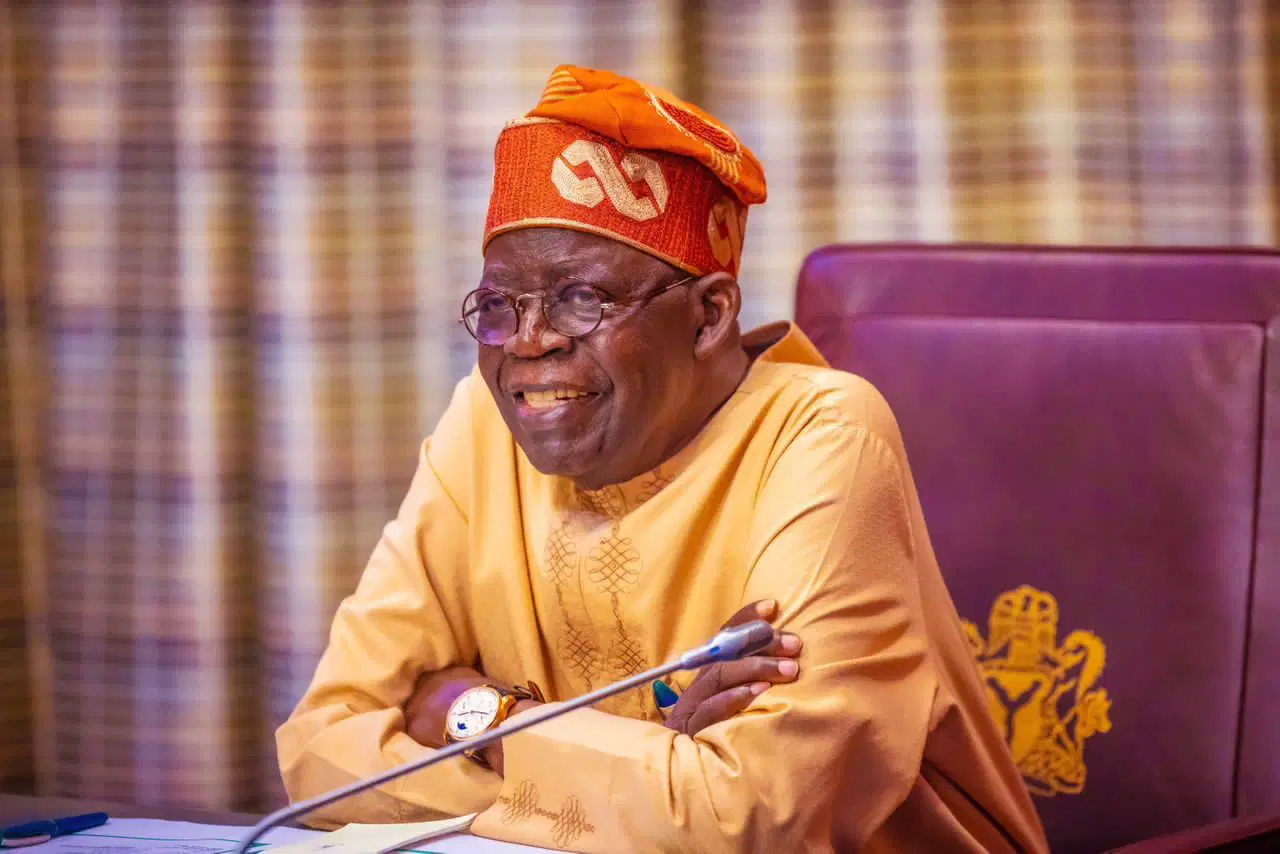
President Tinubu approves N3.3 trillion final settlement on legacy power sector debt

• 15 power plants signs settling agreements totalling ₦2.3 trillion.
• Gencos: “We agreed N4 trillion debt owed as at December 2024
• CPPE: “President deserves commendation for paying legacy debt”
A boost for power stability in the country emerged yesterday as President Bola Tinubu yesterday approved the payment of N3.3 trillion as final settlement for legacy debts owed the power sector. The President also approved the payment plan to settle the outstanding debts under the Presidential Power Sector Financial Reforms Programme.
The debt repayment plan followed the final review of the legacy debts that have beset the power sector for more than a decade. The long-standing debts accumulated between February 2015 and March 2025.
In a statement signed by the Special Adviser to the President on Information and Strategy, Bayo Onanuga, the approval follows the verification of the claims.
“₦3.3 trillion has been agreed as a full and final settlement, ensuring a fair and transparent resolution. Implementation has begun, with 15 power plants signing settlement agreements totalling ₦2.3 trillion. The Federal Government has already raised ₦501 billion to fund these payments. Out of the amount, N223 billion has been disbursed, with further payments underway,” the statement read.
Stakeholders maintained that with payments reaching the power value chain, generation will be more stable, and with power plants supported, electricity reliability will improve , and as the sector stabilises, more investment, more jobs, and better service will follow.
“This programme is not just about settling legacy debts. It is about restoring confidence across the power sector — ensuring gas suppliers are paid, power plants can keep running, and the system begins to work more reliably,” explained Olu Arowolo-Verheijen, Special Adviser on Energy to President Tinubu.
“It is part of a broader set of reforms already underway — including better metering and service-based tariffs that link what you pay to the quality of electricity you receive.
“The government is also prioritising power supply to businesses, industries, and small enterprises — because reliable electricity is critical to creating jobs, supporting livelihoods, and growing the economy.
“The goal is simple: more reliable power for homes, stronger support for businesses, and a system that works better for all Nigerians,” she added.
President Tinubu has commended all stakeholders who supported efforts to resolve the legacy issues in the power sector. He has also confirmed that the next phase (Series II) will begin this quarter.
But the Generation Companies (GENCOs), the main arm of the electricity value chain at the centre of the legacy debt, is shocked at how the final amount of N3.3 trillion was arrived at. For the APGC, there are more questions to be answered. For instance, the body insists that it is in the dark over how the final reconciliation conducted to arrive at N3.3 trillion.
The Managing/Chief Executive Officer, Association of Power Generation Companies (APGC), Dr. Joy Ogaji, argued that as at March 2025, the Generation Companies (GENCOs), Ministry of Finance, APGC, and the Nigerian Bulk Electricity Trading (NBET) company, jointly reconciled all the debt of GENCOs and agreed on N4 trillion as debt owed the sector from 2015 to December, 2024.
“The N4 trillion was what they agreed as of March 2025. That was the last reconciliation. All parties signed off that the debt up till December 2024 is N4trillion and it was the basis for which we had a meeting with the President in July in the State House, where he approved the N4 trillion in the form of cash and bond and asked the Minister of Finance and Debt Management Office (DMO) to go and work with the GENCOs to make sure that the legacy debt, and the legacy debt is 2015 to December 2024, that is legacy debt. So, it is not clear at all.
“And then, another part of the statement said that about 15 generation companies have signed off. I want to tell you that it is five GENCOS that have signed off. The companies that I know that have signed off are NDPHC, FIPL, Mabon, and Geregu. There are only five GENCOS that have signed,” Ogaji said.
For now, the APGC helmsman said: “So, I cannot tell you whether we accept the final settlement of N3.3 trillion or not when we don’t know when they did this reconciliation because it is just she, herself, and herself that are doing the reconciliation. The last reconciliation the GENCOs took part was March 2025. And since that time, we have been asking for new reconciliation so that we can know the current debt because the whole of 2025 has ended. As of March, when they reconciled, we have not even concluded the February invoice for 2025. So, we need to start from 2025 January till date. We need to reconcile that one so that we know how much that is.
“All we are asking for is which reconciliation that brought it down from N4 trillion to N3.3 trillion. When did it take place? And when did all the GENCOs sign off on it that now they will accept N3.3trillion? This N3.3trillion is it in bond, or is it in cash? And when will they pay the GENCOs?” Dr. Ogaji asked rhetorically.
But the Chief Executive Officer, Center for the Promotion of Private Enterprise (CPPE), Dr. Muda Yusuf, heaped praises on the federal government for what he described as “bold step” taken to clear the debts despite the challenging of funding it is facing.
“I think we must commend the President for taking such a bold step, despite all the challenges of funding that the government is dealing with. For a government to give priority to this, it shows that the President and the government itself appreciate how critical this power sector challenge is. So for me it’s a very good development and it shows that the government is responsive to the cries of the citizens that this power sector thing has to be fixed.
On the disputed amount, Yusuf said: “whether the amount is N6 trillion or N3 trillion, we all know what it is when it comes to managing subsidies, because it’s a subsidy, more or less, that the government is making available to sustain the provision of electricity. And historically when we deal with subsidy issues, there are always issues about transparency, about equality of claims and all of that. But N3.3 trillion is a major step forward; it is not small money. I think it’s a major step forward and I think that the stakeholders in the sector should embrace this and work with the government to see how we move the sector forward,” the CPPE boss said.
While acknowledging that there is a need for a major reform in the power sector, Yusuf nonetheless admitted that in this aspect, the President has done very well to clear the legacy debt
“The clearing of the legacy debt will also improve the stability of electricity because what we have had in the last few months is that because of the debt, gas suppliers were not paid. And because gas suppliers were not paid, they were not able to supply gas to the generating companies.
“And because the generating companies don’t have enough power, they are not able to generate. And at a time like this, I think we are depending almost 80 or 90 per cent on the thermal power plants which are using gas. So this will improve liquidity in the value chain, particularly with the gas suppliers and the generating companies.
“And once the liquidity improves, of course we have more power generated and transmitted. So it’s going to have a major significant impact in terms of the provisional improvements in the electricity supply,” Dr. Yusuf concluded.








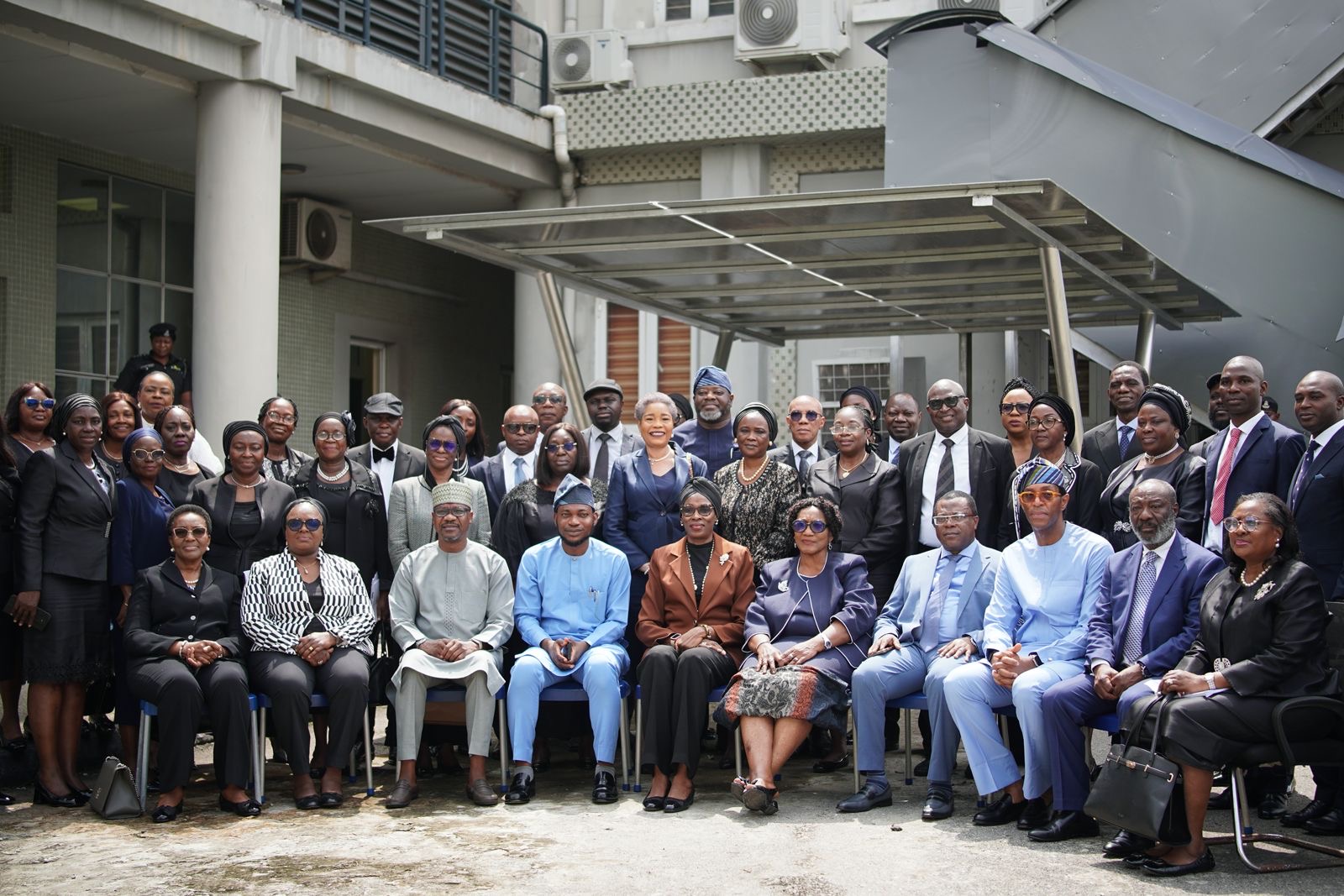
Judges and critical stakeholders in the Lagos State Judiciary service today began a three-day workshop aimed at deepening the judiciary’s understanding of the evolving legal and regulatory framework governing Nigeria’s electricity market.
The workshop, organised by the Nigerian Electricity Regulatory Commission (NERC), under the aegies of its Regional Seminar for Judges of State High Courts programme, is holding at the Lagos State High Court Annex, Osborne , Ikoyi, Lagos. It has as its theme: “Nigeria’s Electricity Market in Transition: Law, Regulation and the Courts.”
Speaking at the opening session yesterday, the NERC Chairman, Dr. Musiliu Oseni, stressed the need for stronger collaboration with the judiciary to ensure the success of Nigeria’s ongoing electricity market reforms, saying well-informed judicial decisions are critical to sustaining investor confidence, protecting consumers and advancing the country’s power sector.
Dr. Oseni described electricity as one of the country’s most strategic national priorities after security, noting that virtually every sector of the economy depends on reliable electricity. He explained that the seminar was designed to provide judicial officers with a deeper understanding of the technical, commercial and legal issues shaping the electricity sector as Nigeria implements far-reaching reforms introduced under the Electricity Act 2023.
Oseni noted that following the constitutional amendment of March 2023 and the enactment of the Electricity Act, Nigeria’s electricity industry has entered a new phase of decentralisation, allowing states to establish and regulate their own electricity markets.
He emphasised that the objective of the seminar was not to influence judicial independence but to familiarise judges with the technical nature of the electricity industry so they can better appreciate the complexities involved when adjudicating electricity-related disputes.
“The intention is not to interfere with the course of justice but to expose My Lords to the intricacies of the electricity sector. Better understanding of the industry will ultimately support sound judicial decisions that strengthen the sector,” he stated.
He disclosed that NERC has already transferred regulatory oversight to 16 states, describing the development as a major milestone in Nigeria’s electricity reform agenda.
According to him, the decentralisation of electricity regulation will improve consumer protection, bring regulatory institutions closer to electricity users, enable quicker resolution of customer complaints and allow tariff decisions to reflect local economic realities.
While acknowledging the benefits of the reforms, the NERC Chairman said they have also introduced fresh legal and regulatory challenges that require the judiciary’s understanding.
Dr. Oseni cautioned that the transition introduces new legal complexities, explaining that disputes in the electricity sector would no longer be limited to consumers, operators and the national regulator but could also involve state electricity regulators, multiple regulatory agencies and electricity market participants operating across different jurisdictions.
“As we speak today, the Commission has already issued transfer orders to 16 states, enabling them to assume regulatory oversight of their respective electricity markets,” he disclosed.
Oseni cited a 2016 court judgment which, according to him, prevented the Commission from fully exercising its regulatory powers and contributed to electricity subsidy liabilities estimated at ₦520 billion in 2019, equivalent to nearly ₦2 trillion at current exchange rates.
The NERC boss further disclosed that the seminar would feature presentations by Nigerian and international electricity experts who would share practical experiences, analyse previous judicial decisions affecting the sector and engage participants in discussions on emerging legal issues arising from Nigeria’s electricity market reforms.
He encouraged judges to actively participate in the sessions by asking questions and sharing perspectives, expressing confidence that the interaction would foster stronger collaboration between regulators and the judiciary.
Delivering a goodwill message on behalf of the Chief Judge of Lagos State, Honourable Justice Kazeem Aloba, the Administrative Judge of Lagos Division, Honourable Justice Atinuke Ipaye welcomed the Commission’s initiative, describing it as timely and necessary.
Justice Ipaye observed that electricity remains one of Nigeria’s most critical development issues, affecting homes, businesses and public institutions alike.
“There is hardly any Nigerian who is not affected by electricity, whether through generation, transmission, distribution, metering or payment. The sector touches every aspect of our daily lives,” she remarked.
She noted that the liberalisation of the electricity industry has introduced new market participants, including generation companies (GenCos) and distribution companies (DisCos), making continuous judicial education necessary to keep pace with the sector’s evolution.
She urged judges to take advantage of the three-day seminar to deepen their understanding of the industry’s legal and commercial realities, saying such knowledge would improve the quality of judicial decisions in electricity-related disputes.
The Regional Seminar for Judges of State High Courts will feature technical presentations, panel discussions and case studies led by Nigerian and international experts as part of NERC’s efforts to strengthen judicial capacity and enhance collaboration between the judiciary and electricity regulators in support of Nigeria’s ongoing electricity market reforms.
The programme forms part of NERC’s broader efforts to deepen institutional collaboration with the judiciary as Nigeria continues its transition towards a decentralised and more competitive electricity market.
- Fed Govt incurs ₦358.32b subsidy obligation
The Nigerian Electricity Regulatory Commission (NERC) has said Togo, Republic of Benin and Niger Republic failed to pay $12.66 million electricity bill in the First Quarter of 2026 Q1 2026.
Of the $17.48million bill that was issued to them, the three international customers, remitted $4.84 million, being 27.57 per cent for the energy the electricity Generation Companies (GenCos) supplied them in the period under review.
This was made known in the 2026 Q1 Report the commission issued yesterday.
NERC said the “remittances made by bilateral customers (domestic and international) and special customers for invoices issued in 2026/Q1 by the MO: The three international bilateral customers being supplied by GenCos in the NESI made a payment of $4.82 million against the cumulative invoice of $17.48 million issued by the MO for services rendered in 2026/Q1, translating to a remittance performance of 27.57 per cent.”
According to the report, the domestic bilateral customers made a cumulative payment of ₦5,816.28 million against the invoice of ₦6,122.35 million issued to them the MO for services rendered in 2026/Q1, translating to 95.00 per cent remittance performance.
NERC added that during Q1 2026, three international and nine domestic bilateral customers made payments of $6.64 million and ₦2,589.07 million, respectively, towards outstanding MO invoices from previous quarters.
In the breakdown, the report said specifically, the MO received a total of $4.05 million from Société Béninoise d’Energie Electrique (SBEE), comprising payments for Ughelli ($3.28 million) and Paras ($0.77 million).
NERC also said $1.87 million was received from Mainstream – Société Nigérienne d’Electricité (NIGELEC), and $0.72 million from Paras – Compagnie Energie Electrique du Togo (CEET).
According to the report, the special customer (Ajaokuta Steel Co. Ltd and the host community) did not make any payment towards the ₦676.88 million (NBET) and ₦189.38 million (MO) invoices received in 2026/Q1.
NERC stressed that this continues a longstanding trend of non-payment by this customer, and the Commission has communicated the need for intervention on this issue to the relevant Federal Government authorities.
In the period under review, the total revenue collected by all DisCos in 2026/Q1 was ₦597.56 billion out of the ₦756.93 billion that was billed to customers.
This, said the report, translates to a collection efficiency of 78.95 per cent.
In comparison, NERC stressed that the total revenue collected by all DisCos in 2025/Q4 was ₦630.93 billion out of the ₦795.06 billion billed to customers, which translated to a 79.36 per cent collection efficiency. This means that at an aggregate level, DisCos recorded a 0.41pp decrease in collection efficiency between 2025/Q4 and 2026/Q1.
On subsidy, the report revealed that due to the absence of cost-reflective tariffs across all DisCos, the government incurred a subsidy obligation of ₦358.32 billion, this represents a ₦60.46 billion (-14.44 per cent) reduction in FGN subsidy compared to 2025/Q4 (₦418.79 billion).
The government subsidy, according to NERC, accounted for 51.95 per cent of the total GenCo invoice, which is a 0.08pp decrease compared to 2025/Q4, when the subsidy accounted for 52.03 per cent of the total GenCo invoice.
The report explained that “The key driver of this reduction in FGN subsidy obligation is the decrease in energy offtake of the DisCos by -8.56 per cent between 2025/Q4 and 2026/Q1.”
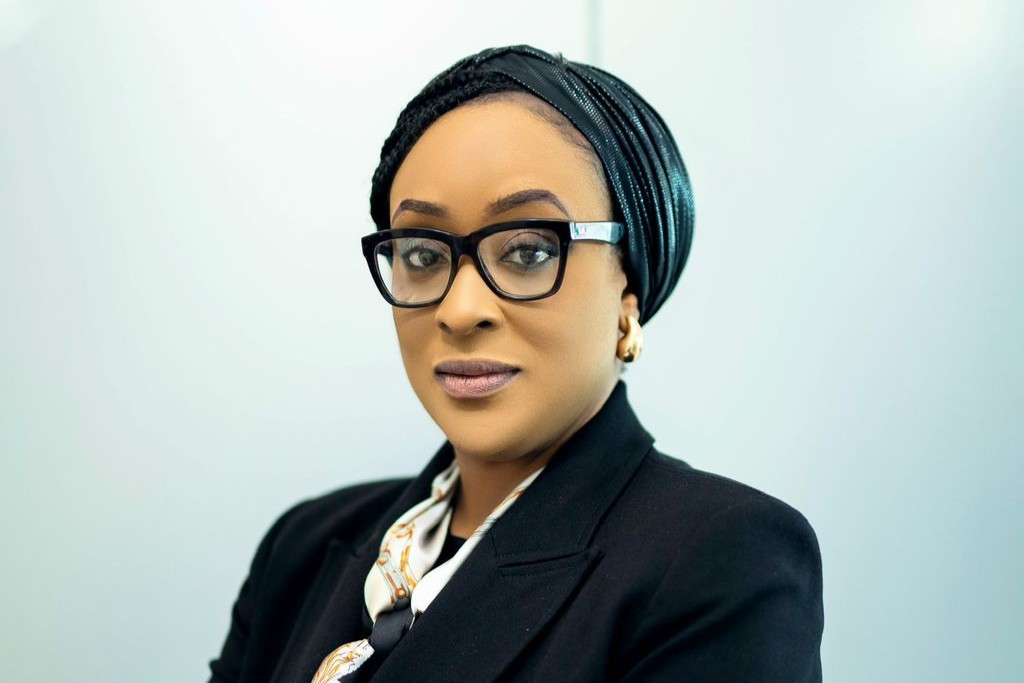
The Managing Director and Chief Executive Officer of the Niger Delta Power Holding Company (NDPHC), Jennifer Adighije, has underscored the growing impact of Artificial Intelligence (AI) and Machine Learning (ML) in transforming operations across Nigeria’s power sector, particularly within NDPHC’s generation assets.
Speaking during an engagement with the Nigerian Economic Summit Group (NESG), Adighije explained that the integration of advanced digital technologies is significantly improving efficiency, reliability, and performance across the company’s power plants.
According to Adighije, NDPHC has adopted AI-powered predictive maintenance systems that enable engineers and plant operators to detect potential equipment failures before they occur. This proactive approach allows the company to prevent unexpected breakdowns, reduce forced outages, and minimise maintenance-related costs.
She noted that the deployment of AI tools marks a major shift in operational strategy, moving from traditional maintenance models to more intelligent, data-driven systems capable of improving decision-making in real time.
“We have moved beyond preventive maintenance to predictive maintenance,” Adighije said.
She explained that unlike preventive maintenance, which relies on scheduled servicing regardless of equipment condition, predictive maintenance uses real-time data analytics, machine learning algorithms, and sensor-based monitoring to assess equipment health and forecast faults with greater precision.
This technological transition is particularly significant for NDPHC’s fleet of gas-fired turbines and associated balance-of-plant systems, where equipment reliability directly impacts plant output and grid stability. By leveraging AI, plant operators can continuously monitor turbine performance, fuel efficiency, vibration levels, thermal behavior, and component wear, allowing intervention before faults escalate into costly failures.
Adighije emphasised that this innovation is helping NDPHC optimize plant availability, improve generation efficiency, and strengthen the reliability of electricity supply to consumers across the country.
She further stated that as Nigeria continues to modernize its energy infrastructure, the role of emerging technologies such as AI, automation, and digital analytics will become increasingly critical in addressing long-standing challenges in the power sector, including inadequate generation, transmission bottlenecks, technical losses, and system instability.
Industry experts believe AI-driven systems can play a crucial role in enhancing grid stability, improving asset management, reducing operational losses, and supporting the country’s transition toward a more resilient and sustainable energy future. Smart technologies can also improve demand forecasting, load balancing, and dispatch coordination across the electricity value chain.
With growing investments in digital transformation, Nigeria’s power sector is gradually embracing intelligent systems that could accelerate operational excellence, attract investment, and support long-term energy security.
Adighije reaffirmed that innovation will remain central to NDPHC’s strategy as the company seeks to deliver more efficient, reliable, and sustainable electricity generation in line with national development goals.
She noted that for a country with rising electricity demand and an expanding industrial base, technology adoption is no longer optional but essential to ensuring stable and affordable power supply. According to her, AI is rapidly becoming one of the most powerful tools for driving the next phase of growth and modernization in Nigeria’s electricity sector.
NDPHC, established under the National Integrated Power Projects (NIPP), is one of Nigeria’s largest power generation and infrastructure companies, playing a critical role in bridging the country’s electricity supply gap. Beyond generation, NDPHC also serves as a major player in transmission and distribution infrastructure development. Through the NIPP framework, the company has delivered hundreds of transmission projects, including substations, transformers, switchgear installations, and transmission lines aimed at strengthening the national grid. It has also executed numerous distribution intervention projects to improve electricity delivery to homes, businesses, and industrial clusters across Nigeria.

-

 Art & Life9 years ago
These ’90s fashion trends are making a comeback in 2017
-
Business9 years ago
The 9 worst mistakes you can ever make at work
-
Entertainment9 years ago
The final 6 ‘Game of Thrones’ episodes might feel like a full season
-
Art & Life9 years ago
According to Dior Couture, this taboo fashion accessory is back
-
Entertainment9 years ago
The old and New Edition cast comes together to perform
-
Entertainment9 years ago
Mod turns ‘Counter-Strike’ into a ‘Tekken’ clone with fighting chickens
-
Sports9 years ago
Phillies’ Aaron Altherr makes mind-boggling barehanded play
-
Entertainment9 years ago
Disney’s live-action Aladdin finally finds its stars