
Business
How energy transition will affect jobs, by NEITI

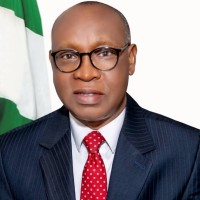
Nigeria’s energy transition from hydrocarbon in 2060 may affect the over 100,000 direct jobs in the oil and gas industry, according to the Nigerian Extractive Industries Transparency Initiative (NEITI) yesterday.
The Executive Secretary, Dr. Orji Ogbonnaya Orji, made this known in his speech in Abuja during the “Civil Society Organisation/Media Roundtable A Framework For Engagements on Energy Transition Cost and Impacts for Non-state Actors”, said the transition will impact on jobs.
But as reporters asked him how it would impact on jobs, the NEITI boss said, the 2022 oil and gas industry audit alone indicated that were 29,000 direct workers in the industry.
According to him, a consideration of those that were involved in the provision of goods and services in the industry could account for over 100,000 workers.
His words: ” In the oil and gas industry, for instance, our last report in 2022 shows that, oil and gas industry alone shows that over 29,000 workers, direct jobs, are working in the oil and gas industry.
Direct jobs: When I mean direct jobs, I mean those who go to work every day on those facilities. Now, if you check the indirect jobs, those who provide support services to the industry, you could be thinking that the oil and gas industry may be accounting for over 100,000 jobs directly.”
Orji also described the oil and gas as the mainstay of the host communities and the government, which depends on it for revenue. He said the global shift from fossil fuels to renewables is reshaping economies and societies everywhere.
For Nigeria, said Orji, the transition is not optional; it is inevitable.
Analysing the challenges that would come with the transition, he said “it will Challenge our fiscal planning and revenue base.”
Orji said it will deepen energy poverty if not properly managed at a time when 86 million Nigerians still lack access to electricity.
He said however, the transition also provides an opening for innovation, diversification, and a repositioned economy.
He said NEITI approached the study not as a formality, but as an urgent national necessity since the transition must be confronted with evidence, foresight, and strategy. Orji said consequently, under the
leadership of the National Stakeholders Working Group (NSWG) and with support from the Ford Foundation, NEITI commissioned the research.
According to him, the study is not taking place in isolation as it is firmly anchored in NEITI’s Policy on Climate Change, Energy Transition and Environmental Accountability, which was developed together with
its civil society partners.
That policy, said Orji, commits NEITI to integrate climate and energy transition disclosures into its EITI reporting.
It also commits the organization to track emissions, stranded assets, and energy access
gaps.
The policy, according to him, mandates NEITI to hold government and companies accountable for
environmental justice and just transition commitments.
Meanwhile, the NSWG Alternate Chair, Ambassador Matthew Adole described the planned transition as risky to countries that are dependent on oil and gas for revenue, export, and energy consumption.
He said it was due to the recognition of the importance of the transition that the NSWG expressly approved the study to look into energy transition cost.

By Temitayo Lucas
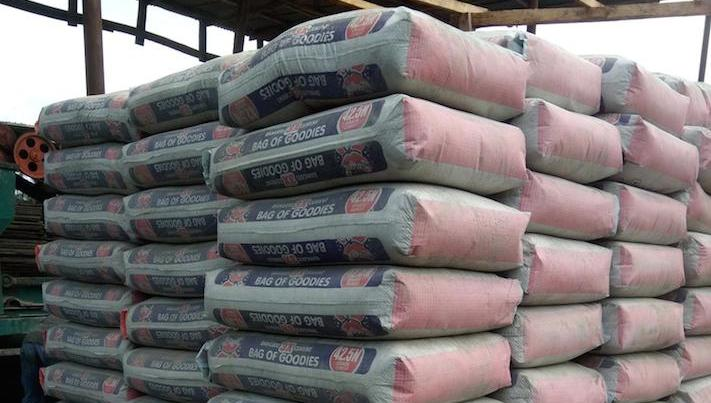
The Federal Government has reaffirmed its partnership with Dangote Cement Plc and other industry stakeholders to drive affordable and inclusive housing, aligning with broader initiatives aimed at improving access to decent homes for low-income and informal-sector workers.
This initiative is seen as part of the efforts to bridge Nigeria’s housing deficit, even as stakeholders at the 2026 Abuja International Housing Show (AIHS) praised Dangote Cement for its significant contribution to affordable housing and infrastructure development in Nigeria. They described the firm as a key partner in efforts to bridge the nation’s housing deficit and improve access to quality building materials.
The industry leaders, policymakers, and housing experts specifically commended the President of Dangote Industries Limited (DIL), Aliko Dangote, for his commitment to Africa’s industrialisation and economic transformation, noting that his investments continue to drive sustainable growth across the continent.
At the Dangote Pavillion, the Minister of Housing and Urban Development, Dr. Muttaka Rabe Darma, reaffirmed the Federal Government’s commitment to working with the company to address Nigeria’s housing challenges.
He said the exhibition’s theme: “Housing Solutions for Low-Income and Informal Workers in Africa,” aligned with government efforts to expand access to affordable and inclusive housing.
Also, the founder and Chief Executive Officer of AIHS, Festus Adebayo, described Dangote Cement as a dependable partner whose consistent support has contributed to the growth and success of the annual housing exhibition. He noted that DIL is a principal sponsor of the event’s 20th edition, while Dangote Cement is showcasing innovative products and solutions designed to support housing development.
Dangote Cement’s Regional Sales Director for North Central, Bankole George, who represented the national Sales Director, Dolapo Alli, said housing remains critical to dignity, social stability, economic productivity and inclusive development.
He identified major barriers to affordable housing as high land costs, expensive building materials, limited access to mortgage financing, weak rental systems and planning regulations.
George advocated innovative housing finance models tailored to low-income earners and informal workers, including micro-mortgages, rent-to-own schemes, cooperative savings programmes, employer-assisted housing and incremental housing loans.
The call for stronger collaboration was echoed by former Speaker of the House of Representatives, Aminu Tambuwal, who urged African lawmakers to champion housing reforms, while former Senate President, Sen. Anyim Pius Anyim, called for innovative financing solutions to help close the continent’s housing gap.
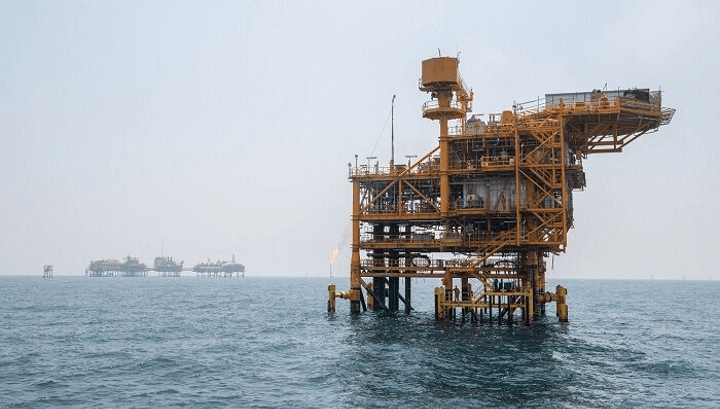
Thirty-one companies yesterday emerged winners of 37 oil and gas blocks at the 2025 Licensing Round which held at the Transcorp Event Center, Abuja. A total of 143 companies had submitted 200 bids for 37 out of the 50 oil and gas blocks originally put on offer.
Of the 50 blocks on offer, 37 received bids while no bids were submitted for the remaining 13. The 37 blocks that attracted bids were drawn from all the terrains including the frontier basins like the Benue Trough, Chad Basin, Anambra Basin and the Benin Basin.
These blocks were drawn from diverse terrains including the Niger Delta Onshore 16; Niger Delta Shallow Water, 18;, Niger Delta Deep Offshore, one; Benin Basin Onshore, three; Anambra Basin Onshore, four; Chad Basin Onshore, four and Benue Trough, four.
A statement by the Head of Media and Communications, Nigerian Upstream Petroleum Regulatory Commission (NUPRC), Eniola Akinkuotu, noted that yesterday’s licencing round marked the first time in the country’s energy landscape that frontier basins would attract such level of investor interest.
The companies that emerged winners of the 2025 Licensing Round include: SSonic Petroleum Limited (PPL 2A29), CFP Pipeline and Flowlines (2A30), Dutchford E&P Limited (2A32), Attabanson Global Company Limited (2A33 and PPL 901), Rosem Energy Limited (2A38), Pivot-GIS Limited (2A39), Network E&P (2A40), Asharami (2A41), LexOil (2A42), BVOF (2A43), GupscoEnergy Limited (2A44 and 2A51), Saratoga (2A45), Volante (2A46), Concept-Reel Petroleum Services Limited (2A47 and 2A55), Clinton Oil Field (2A48 and 2A62) and Nuway Oaklane Limited (2A49).
Others are Ramec (2A50), Italia (2A53), Blueridge E&P (2A54), Up Energies Limited (2A56), AYM Shafa (2A57), Blackrock Holdings Limited (2A58), Funtay Integrated Business Limited (2A59), Riparian Development and Production Limited (2A60), Nikstallis (2A61 and PPL 900), Stardeep Petroleum (PPL 2010), Dakoda & U Limited (PPL308 and PPL 800), Southborne Oil and Gas Limited (PPL 902), Lanaka Petroleum (PPL 903) HighbanResources Limited (PPL 700), Eyre Energy Limited (PPL 801).
In line with the Petroleum Industry Act, 2021, these firms will only be presented final awards after the payment of the appropriate signature bonus and the approval of the Minister of Petroleum Resources.
In her remarks, the Commission Chief Executive, Mrs. Oritsemeyiwa Eyesan, thanked President Bola Tinubu for supporting the Commission to deliver a seamless licensing round.
While congratulating the winners, Eyesan urged them to pay their signature bonuses as quickly as possible and also develop their assets or risk losing them in line with the drill or drop provision enforced by the Commission.
The commercial bid conference was closely monitored by representatives of the Federal Ministry of Petroleum Resources, the Federal Ministry of Finance, the Nigeria Extractive Industry and Transparency Initiative (NEITI)and several other stakeholders in line with the extant laws.
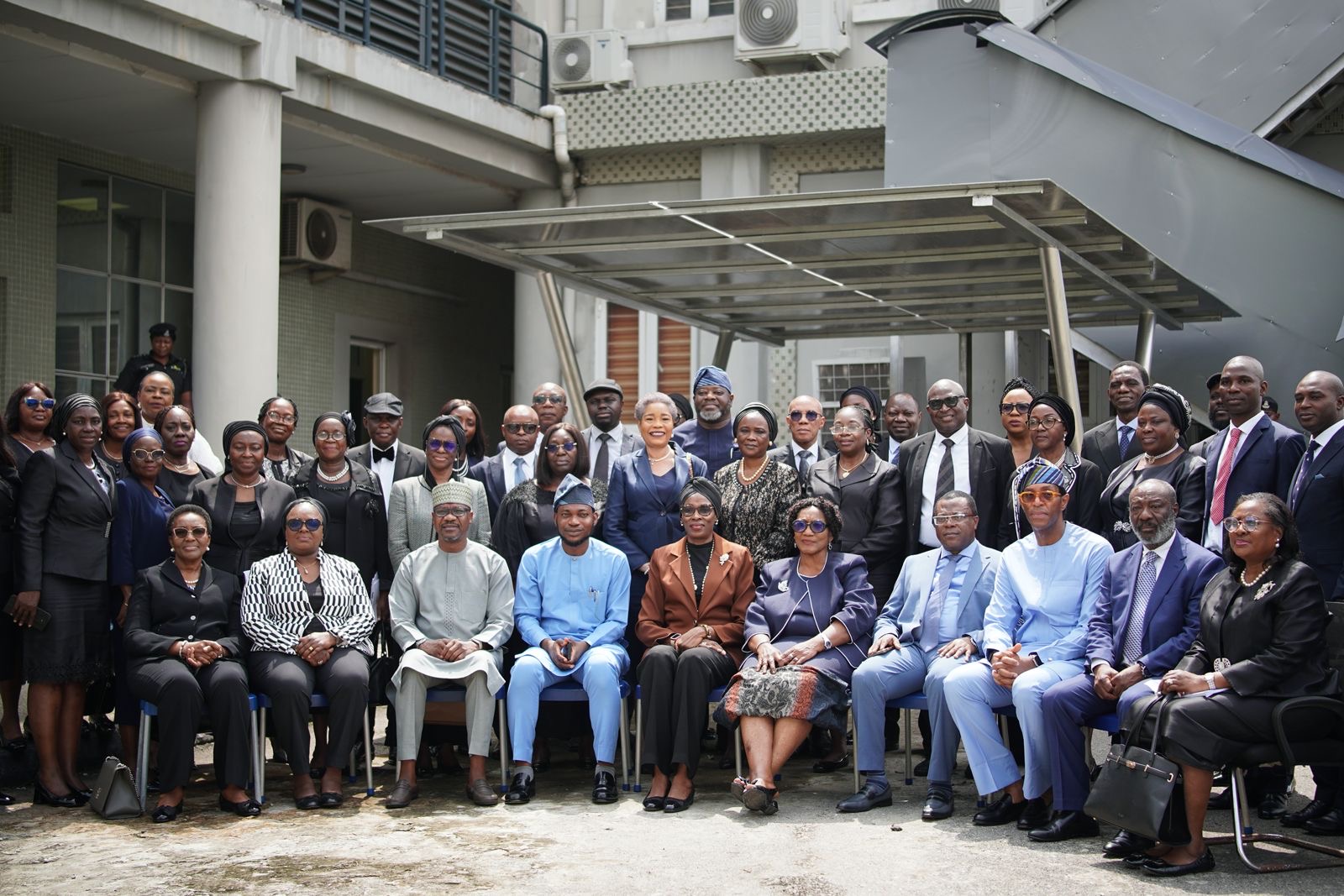
Judges and critical stakeholders in the Lagos State Judiciary service today began a three-day workshop aimed at deepening the judiciary’s understanding of the evolving legal and regulatory framework governing Nigeria’s electricity market.
The workshop, organised by the Nigerian Electricity Regulatory Commission (NERC), under the aegies of its Regional Seminar for Judges of State High Courts programme, is holding at the Lagos State High Court Annex, Osborne , Ikoyi, Lagos. It has as its theme: “Nigeria’s Electricity Market in Transition: Law, Regulation and the Courts.”
Speaking at the opening session yesterday, the NERC Chairman, Dr. Musiliu Oseni, stressed the need for stronger collaboration with the judiciary to ensure the success of Nigeria’s ongoing electricity market reforms, saying well-informed judicial decisions are critical to sustaining investor confidence, protecting consumers and advancing the country’s power sector.
Dr. Oseni described electricity as one of the country’s most strategic national priorities after security, noting that virtually every sector of the economy depends on reliable electricity. He explained that the seminar was designed to provide judicial officers with a deeper understanding of the technical, commercial and legal issues shaping the electricity sector as Nigeria implements far-reaching reforms introduced under the Electricity Act 2023.
Oseni noted that following the constitutional amendment of March 2023 and the enactment of the Electricity Act, Nigeria’s electricity industry has entered a new phase of decentralisation, allowing states to establish and regulate their own electricity markets.
He emphasised that the objective of the seminar was not to influence judicial independence but to familiarise judges with the technical nature of the electricity industry so they can better appreciate the complexities involved when adjudicating electricity-related disputes.
“The intention is not to interfere with the course of justice but to expose My Lords to the intricacies of the electricity sector. Better understanding of the industry will ultimately support sound judicial decisions that strengthen the sector,” he stated.
He disclosed that NERC has already transferred regulatory oversight to 16 states, describing the development as a major milestone in Nigeria’s electricity reform agenda.
According to him, the decentralisation of electricity regulation will improve consumer protection, bring regulatory institutions closer to electricity users, enable quicker resolution of customer complaints and allow tariff decisions to reflect local economic realities.
While acknowledging the benefits of the reforms, the NERC Chairman said they have also introduced fresh legal and regulatory challenges that require the judiciary’s understanding.
Dr. Oseni cautioned that the transition introduces new legal complexities, explaining that disputes in the electricity sector would no longer be limited to consumers, operators and the national regulator but could also involve state electricity regulators, multiple regulatory agencies and electricity market participants operating across different jurisdictions.
“As we speak today, the Commission has already issued transfer orders to 16 states, enabling them to assume regulatory oversight of their respective electricity markets,” he disclosed.
Oseni cited a 2016 court judgment which, according to him, prevented the Commission from fully exercising its regulatory powers and contributed to electricity subsidy liabilities estimated at ₦520 billion in 2019, equivalent to nearly ₦2 trillion at current exchange rates.
The NERC boss further disclosed that the seminar would feature presentations by Nigerian and international electricity experts who would share practical experiences, analyse previous judicial decisions affecting the sector and engage participants in discussions on emerging legal issues arising from Nigeria’s electricity market reforms.
He encouraged judges to actively participate in the sessions by asking questions and sharing perspectives, expressing confidence that the interaction would foster stronger collaboration between regulators and the judiciary.
Delivering a goodwill message on behalf of the Chief Judge of Lagos State, Honourable Justice Kazeem Aloba, the Administrative Judge of Lagos Division, Honourable Justice Atinuke Ipaye welcomed the Commission’s initiative, describing it as timely and necessary.
Justice Ipaye observed that electricity remains one of Nigeria’s most critical development issues, affecting homes, businesses and public institutions alike.
“There is hardly any Nigerian who is not affected by electricity, whether through generation, transmission, distribution, metering or payment. The sector touches every aspect of our daily lives,” she remarked.
She noted that the liberalisation of the electricity industry has introduced new market participants, including generation companies (GenCos) and distribution companies (DisCos), making continuous judicial education necessary to keep pace with the sector’s evolution.
She urged judges to take advantage of the three-day seminar to deepen their understanding of the industry’s legal and commercial realities, saying such knowledge would improve the quality of judicial decisions in electricity-related disputes.
The Regional Seminar for Judges of State High Courts will feature technical presentations, panel discussions and case studies led by Nigerian and international experts as part of NERC’s efforts to strengthen judicial capacity and enhance collaboration between the judiciary and electricity regulators in support of Nigeria’s ongoing electricity market reforms.
The programme forms part of NERC’s broader efforts to deepen institutional collaboration with the judiciary as Nigeria continues its transition towards a decentralised and more competitive electricity market.



-

 Art & Life9 years ago
These ’90s fashion trends are making a comeback in 2017
-
Business9 years ago
The 9 worst mistakes you can ever make at work
-
Entertainment9 years ago
The final 6 ‘Game of Thrones’ episodes might feel like a full season
-
Art & Life9 years ago
According to Dior Couture, this taboo fashion accessory is back
-
Entertainment9 years ago
The old and New Edition cast comes together to perform
-
Entertainment9 years ago
Mod turns ‘Counter-Strike’ into a ‘Tekken’ clone with fighting chickens
-
Sports9 years ago
Phillies’ Aaron Altherr makes mind-boggling barehanded play
-
Entertainment9 years ago
Disney’s live-action Aladdin finally finds its stars