
Health
How To Get Through The Workday Without Caffeine

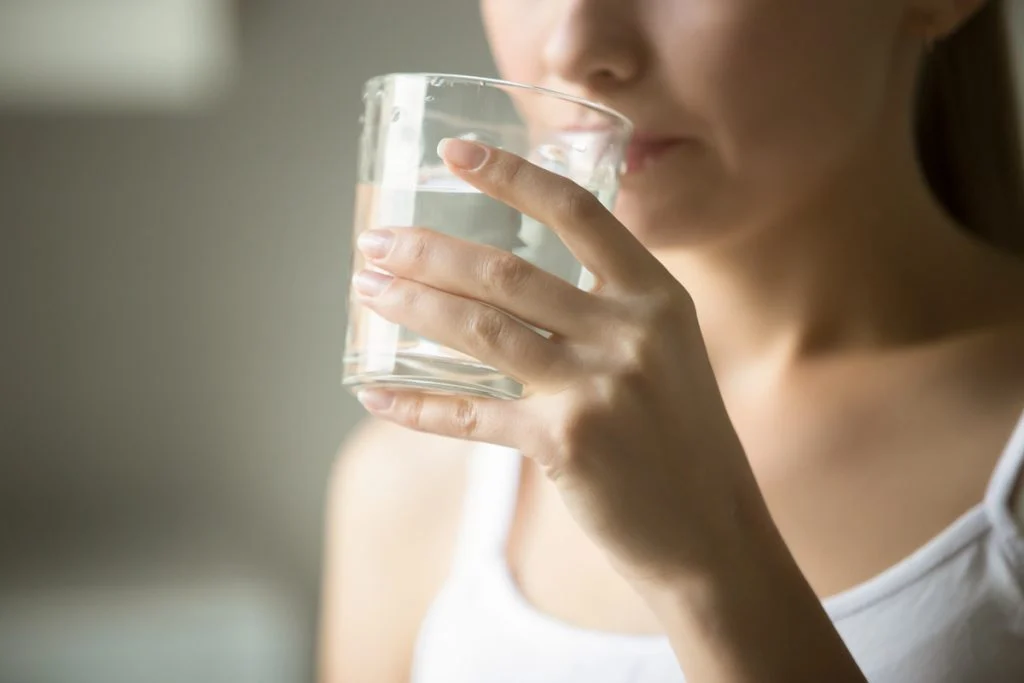
• Culled from HERBEAUTY
Many of us are guilty of consuming too much caffeine, but it can feel essential to so many of us throughout the work day. Whether you’re a latte, drip coffee, or espresso aficionado, coffee is a coping mechanism to get through a 9-5, especially after a pandemic where many people have to work from home, making it even harder to focus.
Still, if you’re getting an upset stomach, sleeping poorly, or getting the jitters more often than usual, or these could be signs that you might want to cut back. Reducing caffeine intake or even going cold turkey and cutting it out altogether can be more difficult than it seems.
After all, coffee is an addiction, and the body experiences withdrawal symptoms when you take it away. Symptoms will be worse based on how much caffeine you consume a day. Here are the best tips to help you get through the workday without coffee.
1. Stay hydrated
Many of us don’t drink enough water, but if you’re weaning yourself off caffeine and looking to make it though the work day, staying hydrated will be essential. Whether that means drinking sparkling water or fruits and veggies with a high water content, if you’re not dehydrated the caffeine-free process will get much easier.
2. A snack in the morning
Try to eat low sugar index snacks, and besides snacking in the morning, also consider snacking throughout the day. This will keep your body fuelled up and energized throughout the day rather than entering that low energy, late afternoon slump. If you do opt for granola bars or smoothies, try to pick options that aren’t excessively high in sugar, as this can cause a similar crash to caffeine.
3. High protein diet
From granola bars to Chia seed pudding, high protein foods will mimic the same effects of coffee or caffeinated tea, providing you with energy boosts throughout your day. Also, consider eating salads with dark leafy greens such as kale and spinach, which provide vitamin B, an important nutrient that’s necessary for your body’s energy-making process.
4. Do a morning workout
There’s nothing like releasing some powerful brain chemicals and increasing blood flow to help pump you up for the day and help reduce the likelihood of fatigue and headaches. Of course, a big part of this will be getting good quality sleep in so that you can bring your A game to your morning workout.
5. Invest in a high quality office chair
Whether you work from home or an office, an ergonomic chair is more important than you think. Bad posture can cause not only back pain and aging-related issues, but it can even worsen headaches. If you sit up straight, you might feel a whole lot better and more productive — even without that daily cup of java.
6. Stretch
Did you know that moving your body tells your cells that you need more energy? Who needs caffeine when the body can help us stay awake? We just need to ask in the right way. If you can find a few moments to get up and stretch, your body will thank you. Stretching can actually help you stay awake at work, since being stiff or achy naturally makes us more tired.
7. Take a screen break and rest your eyes
When our eyes feel fatigued, so does the rest of us. If you’re forgetting to take breaks from staring at the computer, it can significantly worsen caffeine withdrawal symptoms. We’re talking eye strain, headaches, and general irritability. To give your eyes a break, go to the window and look off into the distance, playing with objects of different distances, like the horizon or buildings.
8. Take a walk
Sometimes, a change of scenery can be everything. So can some fresh oxygen in your lungs, and the sun on your skin, which also helps to regular your sleep-wake cycle. If you can spend your lunch break outside or at least spend 20 minutes outside, it’ll make a difference. Exposure to natural sunlight also helps heal insomnia.
9. Chew gum
According to some studies, chewing gum can actually make you more alert, improve attention, and increase productivity at work. It can even improve your reaction time. Swap that cup of coffee for a piece of your favorite flavored gum. It’ll up your cognitive performance and won’t make your heart feel like it’s beating out of your chest, unlike coffee.



The National Agency for Food and Drug Administration and Control (NAFDAC) has warned Nigerians about the circulation of counterfeit Kiss Condoms in major markets across the country, describing the development as a serious public health risk.
In Public Alert No. 042/2025, issued on Monday via its official X handle, the agency said the warning followed information received from DKT International Nigeria, the Marketing Authorisation Holder for Kiss Condom.
“NAFDAC is notifying the public about the sale and distribution of fake Kiss Condoms in various Nigerian markets,” the agency said. “The information was received from the Marketing Authorisation Holder, DKT International Nigeria, a leading non-governmental organisation focused on contraceptive social marketing.”
NAFDAC said the fake products have been detected in Onitsha Market in Anambra State, Idumota Market and Trade Fair Market in Lagos, as well as markets in Kano, Abuja, Uyo, Gombe and Enugu.
“The Fake Kiss Condom has been reported to be found in Onitsha Market, Idumota Market, Trade Fair Market, and various markets in Kano, Abuja, Uyo, Gombe, Enugu, and others,” it stated.
The agency explained that Kiss Condom is a registered brand of male latex condoms designed to prevent unwanted pregnancies and protect against sexually transmitted infections (STIs) such as HIV, gonorrhoea and syphilis.
To guide consumers, NAFDAC outlined key differences between genuine and fake products. Original Kiss Condoms come in light-red packs with complete medical device information, proper manufacturer and Nigerian addresses, storage and caution details, consistent barcodes and detailed usage instructions. The fake versions, it said, are typically darker, carry wrong or incomplete addresses, lack medical and caution information, show barcode inconsistencies and provide scant instructions.
NAFDAC also said genuine Kiss Condoms are larger, oval-shaped, well-lubricated and have a larger teat end, while the counterfeit versions are thinner, round-shaped, less lubricated and have smaller teat ends.
Warning of the risks, the agency said: “The use of fake condoms poses serious health risks due to poor quality, lack of sterilisation, and absence of regulation, leading to ineffective protection against pregnancy and STIs.” It added that risks include breakage, infection, allergic reactions and false security.
NAFDAC said all Zonal Directors and State Coordinators have been directed to intensify surveillance and mop up the falsified Kiss Condoms nationwide. It urged healthcare professionals and consumers to report suspected cases to the nearest NAFDAC office, call 0800-162-3322, or email sf.alert@nafdac.gov.ng.
The agency advised Nigerians to buy condoms only from reputable outlets and ensure products are genuine to safeguard their health.
…Warns of 30,000 deaths yearly
By Grace Edet
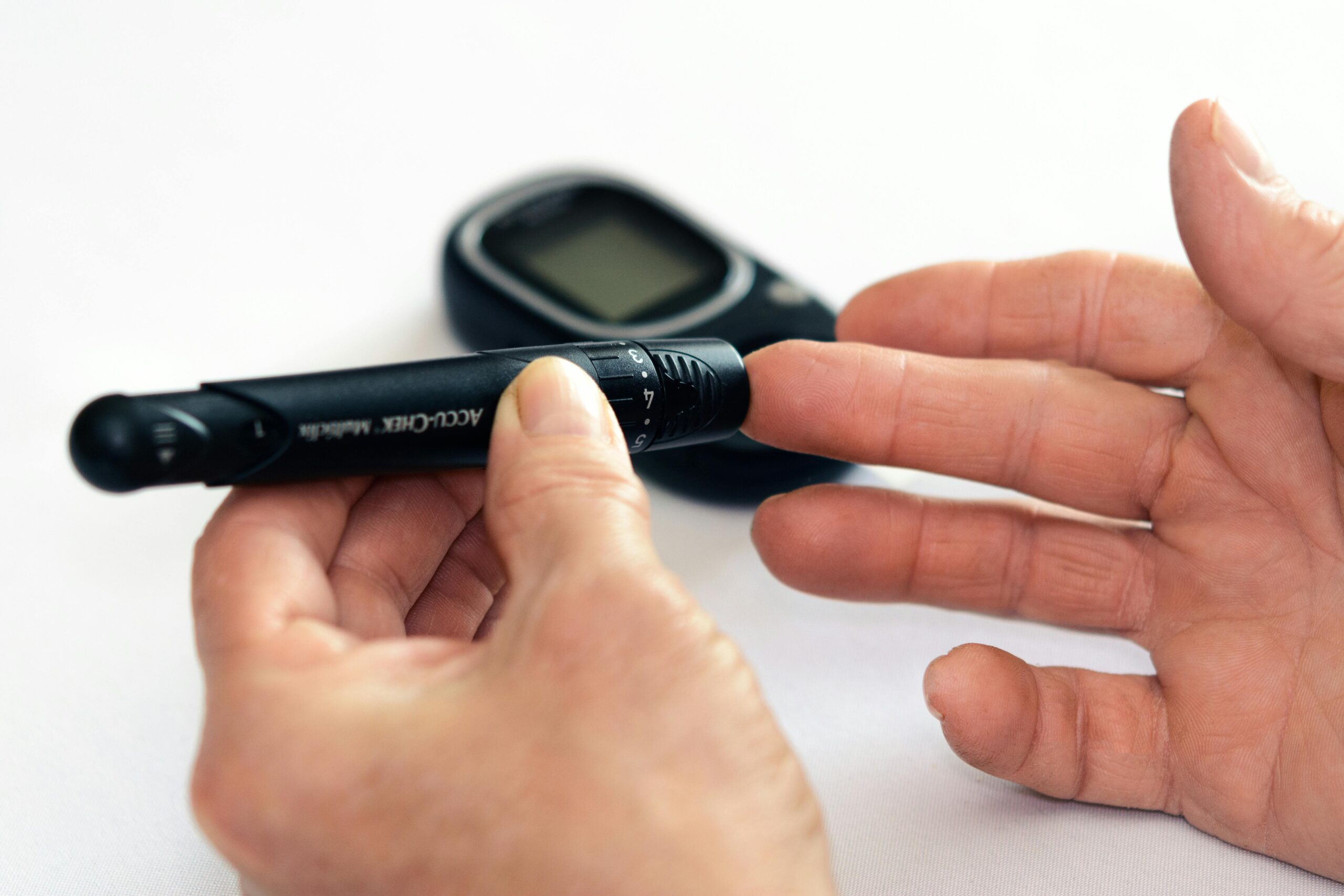
As Nigeria joined the global community to mark World Diabetes Day, the Corporate Accountability and Public Participation Africa (CAPPA) has called on the Federal Government to declare a national state of emergency on diabetes care, warning that the disease is claiming 30,000 Nigerian lives every year and pushing millions into financial distress.
In a statement issued yesterday by its Media and Communication Officer, Robert Egbe, the organisation described as “alarming” media reports indicating that 11.4 million Nigerians are currently living with diabetes, with many unable to afford treatment.
Egbe said the situation had been worsened by the soaring cost of diabetes management, which now averages between ₦100,000 and ₦120,000 monthly, a burden he warned is “impossible for most patients” and fast becoming “a death sentence for many Nigerians impoverished by the poor economy.”
CAPPA’s concerns come against the backdrop of rising non-communicable diseases (NCDs) in the country, driven largely by unhealthy diets, sugar-sweetened beverages (SSBs) and aggressive marketing of ultra-processed foods. The group said the trend highlights the need for sweeping policy action.
It fully aligned with the Diabetes Association of Nigeria, which recently urged the Federal Government to prioritise diabetes care and scale up interventions nationwide. CAPPA specifically called for a significant upward revision of the SSB tax, insisting that proceeds should be dedicated to strengthening Nigeria’s weak health system.
According to Egbe, “unhealthy diets and sugary drinks drive NCDs risk, while the aggressive marketing and wide availability of sugary drinks and highly processed foods are changing dietary environments across the country.”
The organisation said its ongoing campaign for an SSB tax of at least ₦130 per litre, alongside mandatory front-of-pack nutrition labelling, is backed by global evidence showing that higher taxes reduce consumption, push manufacturers toward healthier product reformulation, and raise revenue for critical health investments. It added that clear nutrition labels would empower Nigerians to make informed choices.
This year’s World Diabetes Day, themed “Diabetes Across Life Stages,” underscores the reality that diabetes affects people at every point in life, including during pregnancy, further elevating the importance of preventive health financing and dietary regulation.
…Doctors Say These 10 Steps Work.
MANY FACTORS CAN CAUSE your cholesterol levels to creep up, including your diet and how much you exercise. So sometimes making lifestyle changes can lower your numbers.
Cholesterol is a fat-like substance that’s found in all of your cells, and your body needs some of it to work properly. However, too much of certain types of cholesterol can increase your risk for a number of health problems, like a heart attack or stroke.
To know for sure if your cholesterol is high, you need a blood test. Commonly, cholesterol tests measure the amount of low-density lipoprotein (LDL), which is commonly known as “bad cholesterol,” and high-density lipoprotein (HDL) cholesterol. Some doctors say that doesn’t go far enough to really assess your risk, and they recommend measuring other lipoproteins including apoB and Lp(a).
“People should know that their cholesterol is determined both by their diet and by predetermined genetic factors,” says Brett Victor, M.D., a cardiologist at Cardiology Consultants of Philadelphia. “The degree to which these two factors contribute can vary greatly.”
That’s why some people are able to lower their cholesterol naturally with diet and other changes, and others need to take medication, such as statins, as well, Dr. Victor says.
For many people, lowering their cholesterol requires a combination of lifestyle changes and medication. And doctors often recommend changing what you eat, how often you move, and making other adjustments even if you take cholesterol medications. Here are some ways to help naturally lower your cholesterol:
Embrace a Plant-Based Diet
Tweaking your diet is one of the main ways you can lower disease-causing cholesterol, especially your LDL, explains Ira Monka, D.O., an osteopathic physician specializing in family medicine and president of the American Osteopathic Association.
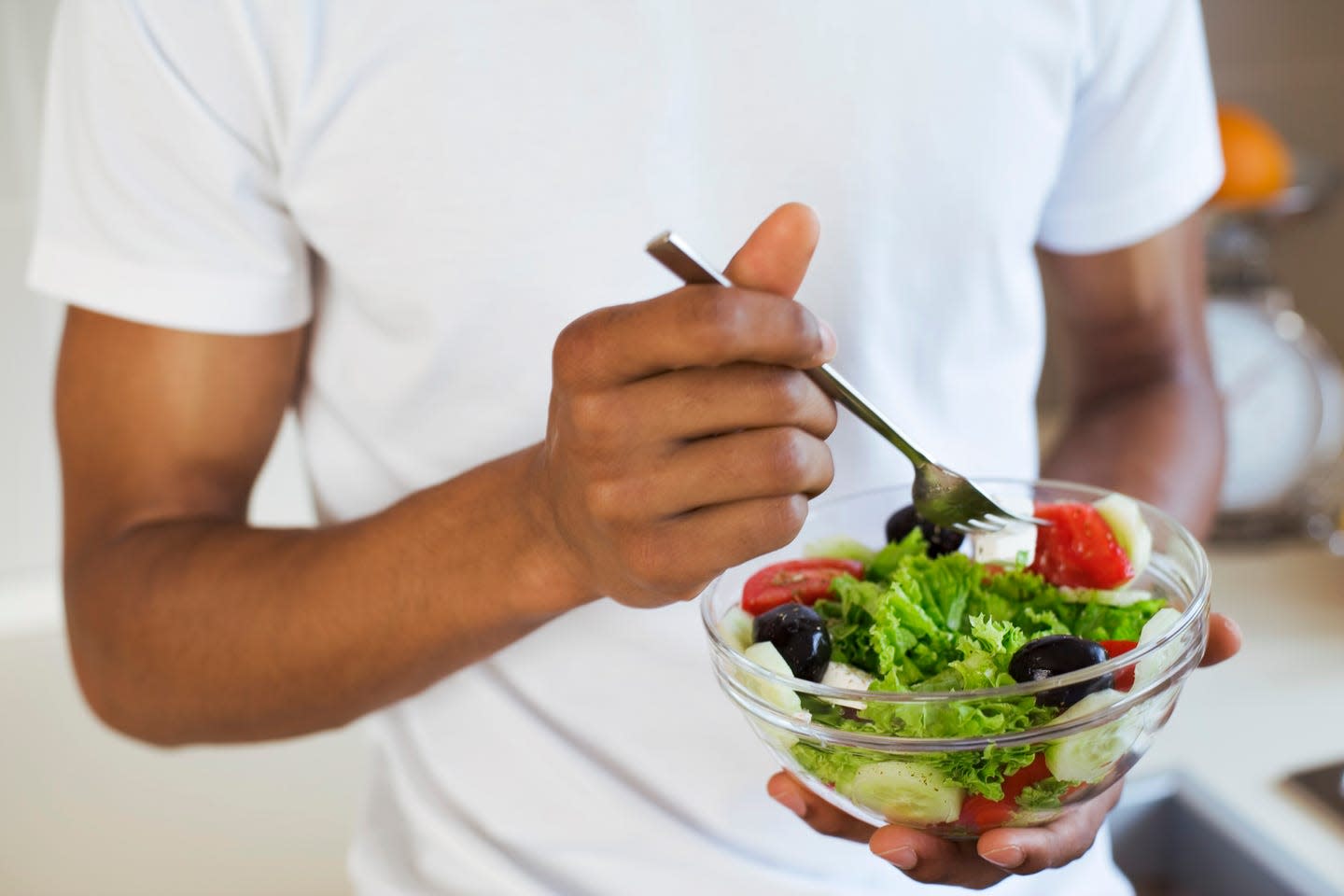
Reducing your intake of saturated fats, which are found primarily in red meat and full-fat dairy products, can improve your cholesterol numbers. Dr. Victor suggests generally eating more plant-based foods, like fruits, vegetables, and whole grains.
Choose Lean Meats
If you aren’t ready to fully go plant-based, eat lean meats, like fish and chicken, instead of red meat, Dr. Victor says.
Cut Out Processed Foods
Ultra-processed foods, such as fast food, packaged meals, cookies, and soft drinks, have been linked to higher risks for heart disease. Studies also suggest that eating too many of these foods can worsen your overall nutrient intake and negatively affect your cholesterol levels.
Eat More Fiber
Foods rich in soluble fiber—such as whole grain cereals, fruits, vegetables, beans, and lentils—can help the digestive tract get rid of cholesterol, Dr. Victor says. Soluble fiber binds to cholesterol in your intestine and removes it from the body, reducing the likelihood of cholesterol being absorbed into your bloodstream.
Get More Exercise
“Cardiovascular exercises that get your heart pumping,” like running, walking, biking, and swimming, can help lower cholesterol, Dr. Monka says. These exercises can raise your HDL, which absorbs LDL cholesterol in your blood and carries it back to the liver, where it’s flushed out of the body.
Strive to get moderate physical activity at least 30 minutes a day five times per week and vigorous aerobic activity for 20 minutes three times a week, Dr. Victor says.
Reduce Your Stress Levels
Stress can heighten your risk for many health problems, Dr. Monka says. Research shows that stress can raise your LDL cholesterol and triglycerides.
“There are people who eat healthy, and they wonder why their cholesterol levels are high. This could be one of the reasons,” he says. Taking steps to reduce stress however you can is good for your cholesterol levels.
Quit Smoking
Smoking cigarettes can cause your blood pressure and heart rate to jump. Within 20 minutes of quitting, you’ll see those rates recover, according to the Mayo Clinic. After a year of not smoking, your risk of heart disease will be half of what a smoker’s is, and you’ll see improvements in your cholesterol.
Drink Less
If you do drink alcohol, do it in moderation. That means up to two drinks a day for men under 65 and one for those older than 65, according to the Mayo Clinic. Binge drinking or just generally drinking too much alcohol can affect your cholesterol, as well as bring on other health issues.
Maintain a Healthy Weight
Extra body weight can increase your risk for high cholesterol. So when you keep your weight in a healthy range, it can help reduce your cholesterol levels and lower your risk for health conditions. Reducing your intake of sugary, high-fat, and high-calorie foods and increasing your activity level can help.
Try Red Yeast Rice Supplements
Many natural products out there claim to lower cholesterol. Dr. Victor said the only one that has been clinically shown to help is red yeast rice, which is available in supplement form.
Red yeast rice contains the compound monacolin K, which is an ingredient found in some cholesterol-lowering medications, according to the Mayo Clinic. While the supplements are considered safe, they could cause some side effects. Dr. Victor suggests talking to your doctor before taking them.
When to Take Medication for High Cholesterol
Most doctors recommend that you change your diet, exercise more, and stop smoking when you have high cholesterol—regardless of whether they also prescribe medications, Dr. Monka says.
Often, you will need to take at least a low-dose statin to see your cholesterol levels lower, he adds.
Sometimes, if you need to start out taking a higher dose of cholesterol-lowering drugs, you can end up taking a lower dose or potentially stop taking the medication after making and maintaining significant lifestyle changes, Dr. Victor says.
—Culled from Men’s Health



-
 Energy11 months ago
Diesel falls to ₦979/L in Lagos
-

 Law & Crime12 months ago
EFCC vs Yahaya Bello: Court adjourns ₦80.2b alleged fraud trial to Nov 11
-

 Art & Life9 years ago
These ’90s fashion trends are making a comeback in 2017
-
Business9 years ago
The 9 worst mistakes you can ever make at work
-
Entertainment9 years ago
The final 6 ‘Game of Thrones’ episodes might feel like a full season
-
Art & Life9 years ago
According to Dior Couture, this taboo fashion accessory is back
-
Entertainment9 years ago
The old and New Edition cast comes together to perform
-
Entertainment9 years ago
Mod turns ‘Counter-Strike’ into a ‘Tekken’ clone with fighting chickens