
Maritime
‘Nigeria can unlock N22tr Blue Economy with PPP reforms’

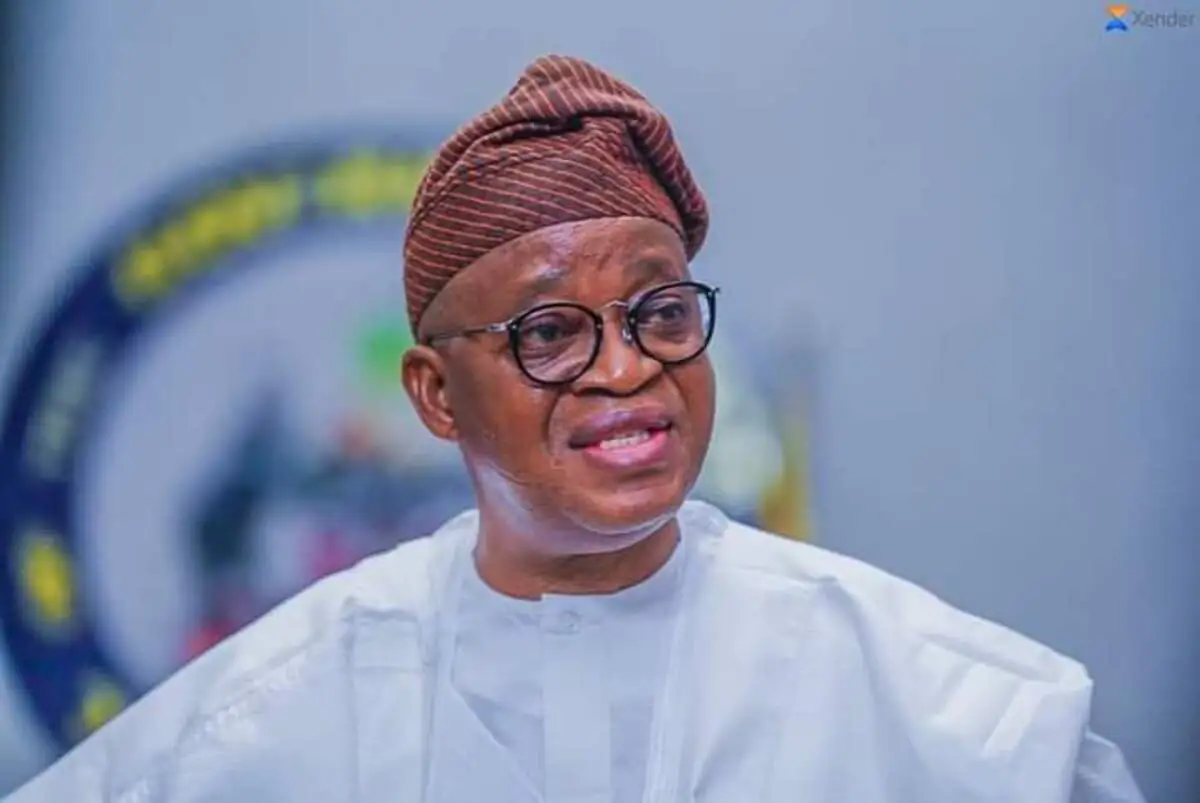
The country could unlock over N22.12 trillion in new value across ports, fisheries, logistics and offshore resources if it adopts a coordinated, solution-oriented blueprint for reforming its blue economy through public–private partnerships (PPPs), maritime experts have said.
The call was made at the 2025 Conference of the Association of Maritime Journalists of Nigeria (AMJON) in Lagos, where stakeholders argued that Nigeria must shift from diagnosing problems to implementing clear, measurable solutions that would rapidly boost competitiveness in the regional maritime economy—where the country currently contributes less than 15 per cent despite its vast potential.
Head of Research at the Sea Empowerment and Research Centre (SEREC), Dr. Eugene Nweke, said Nigeria already has the building blocks to transform its maritime sector, but needs a functional framework that aligns government, private capital, technology providers and coastal communities.
According to him, “The PPS framework goes beyond conventional PPPs. It is a developmental alliance where government, private investors, academia and communities share responsibility for co-creating, co-financing and co-monitoring blue economy initiatives.”
Nweke outlined a suite of practical interventions that he said could swiftly reposition Nigeria’s maritime sector and unlock significant economic value. He emphasised the need for an integrated port automation and multimodal transport system capable of efficiently handling the country’s 70 million metric tonnes of annual cargo.
According to him, such a system could save the economy up to N3 trillion in yearly trade costs. He also highlighted the urgent need to expand aquaculture and cold-chain infrastructure to close Nigeria’s 2.1 million-tonne fish deficit, cut $1 billion spent annually on fish imports, and create as many as 500,000 jobs.
Beyond the ports, Nweke identified vast opportunities in tourism and offshore resources. He noted that tapping just five per cent of Nigeria’s coastline for marine leisure activities could generate $3 billion (N4.13 trillion) annually, while sustainable exploration of gas reserves, renewables and seabed minerals could add another $10 billion (N14.7 trillion) each year.
He added that establishing a national barge operations system would further strengthen the logistics chain by creating 150,000 jobs, easing port congestion by 50 per cent, and opening up new inland industrial corridors that would stimulate wider economic productivity.
Nweke said these solutions are not theoretical, adding that African countries have already achieved similar gains.
He said: “Mauritius grew its blue economy contribution from 10 per cent in 2015 to 19 per cent in 2022 through PPP-driven fisheries and tourism, while Ghana’s Takoradi Port PPP attracted $350 million, doubled throughput and slashed public-sector cost by half.”
To fast-track these opportunities, Nweke outlined a set of structural reforms designed to give Nigeria’s blue economy a coordinated and investment-friendly framework. Central to his recommendations is the establishment of a National Blue Economy Council (NBEC) chaired by the Vice President, alongside making PPPs the default model for all marine infrastructure projects.
He also called for the enactment of a Blue Economy Investment Code to harmonise environmental, fiscal and industrial incentives while operationalising the National Maritime Data Repository (NMDR) to strengthen evidence-based planning.
Nweke further proposed institutionalising quarterly Public–Private Blue Economy Roundtables (PBBIR) to assess progress, strengthen collaboration and guide policy reviews. He added that deeper integration of Ajaokuta steel, inland mining and intermodal logistics into maritime development plans would ensure a more robust value chain, supporting both industrial growth and long-term sectoral competitiveness.
Chairman of the Senate Committee on Marine Transport, Senator Wasiu Eshilokun, said the National Assembly is ready to support any reform that strengthens Nigeria’s maritime competitiveness and closes infrastructure gaps.
According to him, “We must modernise our existing ports and develop new deep-sea ports to increase efficiency and handle larger volumes of cargo.”
He also called for solution-oriented intervention in fisheries and aquaculture.
“We need sustainable fisheries practices, improved aquaculture technology and enhanced research to boost food security and create livelihoods,” he said.
Eshilokun added that Nigeria must expand investments in marine renewable energy, biotechnology and deep-sea mining, while strengthening the nation’s legal and judicial frameworks to protect maritime investments and resolve disputes faster.


By Monireoluwa Lucas
Africa risks losing further ground in the global shipping industry as a shortage of internationally certified seafarers and maritime professionals continues to limit the continent’s ability to compete in an increasingly technology-driven sector.
The Manager of Training and Maritime Centre of Excellence (MCOE) at Nigerian Maritime Services Limited (NSML), Dr Effiong Ekanem-Attah, raised the concern at the 2026 Maritime Training Institute organised by the Association of Maritime Journalists of Nigeria (AMJON) in Lagos.
Ekanem-Attah, who represented the Managing Director of NSML, Abdulkadir Kere Ahmed, said the global maritime industry was becoming increasingly regulated, technology-driven and dependent on skilled professionals capable of operating under international standards.
Speaking on the theme: “The Power of Innovation in a Future-Ready Maritime Training Agenda,” he said digitalisation, decarbonisation, automation and stricter safety requirements were reshaping shipping and increasing demand for competent maritime professionals.
He said that despite Africa’s strategic maritime location and extensive coastline, the continent had struggled to produce sufficient internationally certified seafarers to meet the demands of the global maritime labour market.
According to him, limited access to quality maritime training, inadequate simulator facilities, accreditation challenges and insufficient opportunities for practical sea-time were among factors responsible for the skills gap.
The situation, he said, had compelled many shipping companies operating in Africa to rely heavily on expatriates for critical technical and operational positions.
“Consequently, many shipping companies operating in and out of Africa have relied heavily on expatriate personnel for critical technical and operational roles,” he said.
Ekanem-Attah said closing the gap would require an integrated maritime manpower development system combining education, professional certification, practical sea-time, mentorship, technology, research and industry collaboration.
He said the NSML Maritime Centre of Excellence on Bonny Island, Rivers State, was established as part of efforts to address longstanding maritime manpower challenges.
According to him, the centre combines maritime training, simulator-based learning, sea-time development, professional certification support, research, consultancy and industry partnerships.
Ekanem-Attah said the centre had secured international accreditations, including ISO 9001:2015 Quality Management System, DNV standards for maritime simulator and training centres, United Kingdom Maritime and Coastguard Agency accreditation for six courses, Nautical Institute accreditation for Dynamic Positioning programmes, as well as accreditations from Marshall Islands, Bermuda and the Nigerian Maritime Administration and Safety Agency (NIMASA).
He said the accreditations would enable Nigerian and other African maritime professionals to obtain globally recognised qualifications locally instead of travelling abroad for specialist training.
The centre, he added, had invested in advanced facilities, including bridge and engine-room simulators and Dynamic Positioning systems, enabling trainees to simulate operational situations, emergency procedures and other risk-sensitive scenarios.
On the challenge of sea-time, Ekanem-Attah said NSML’s Seafarers Continuous Development Programme had provided opportunities for young professionals seeking to meet certification requirements.
He said 272 cadets had completed sea-time training through the programme, while another 54 were either in college or onboard vessels progressing towards professional certification.
“As of August 2026, NSML employs over 700 seafarers and remains the largest employer of qualified Nigerian seafarers,” he said.
Also speaking, the Lagos Port Complex Manager of the Nigerian Ports Authority (NPA), Mr Adebowale Lawal, who represented the Managing Director, Dr Abubakar Dantsoho, said technology alone could not transform the maritime sector without adequate human capital.
Lawal said digitalisation, artificial intelligence, automation, robotics and data-driven logistics were changing global port and shipping operations.
He said the NPA had deployed technology to improve efficiency, transparency, safety and service delivery, citing the Electronic Call-Up System, Electronic Access Control, digital revenue systems, vessel management platforms and the ongoing development of the Port Community System.
According to him, the Authority was also aligning its processes with the National Single Window to promote greater integration and electronic exchange of information among maritime stakeholders.
“These initiatives demonstrate that the future of our ports will depend increasingly on people who understand and can effectively deploy technology,” he said.
Lawal said maritime training institutions must produce professionals who were technically competent, innovative, adaptable and digitally literate, as the industry moves towards smart ports, autonomous and connected ships, cybersecurity systems, green shipping technologies and data-driven decision-making.
He urged greater collaboration among government, industry and training institutions to develop the manpower required to make Nigeria’s maritime sector globally competitive.
“Let us remember that innovation is not only about machines and technology; it is about people, ideas and the courage to do things better,” he said.
Lawal added that sustained investment in skills development would help Nigeria build a workforce capable of driving safer, smarter, greener and more efficient maritime and port operations.
By Monireoluwa Lucas
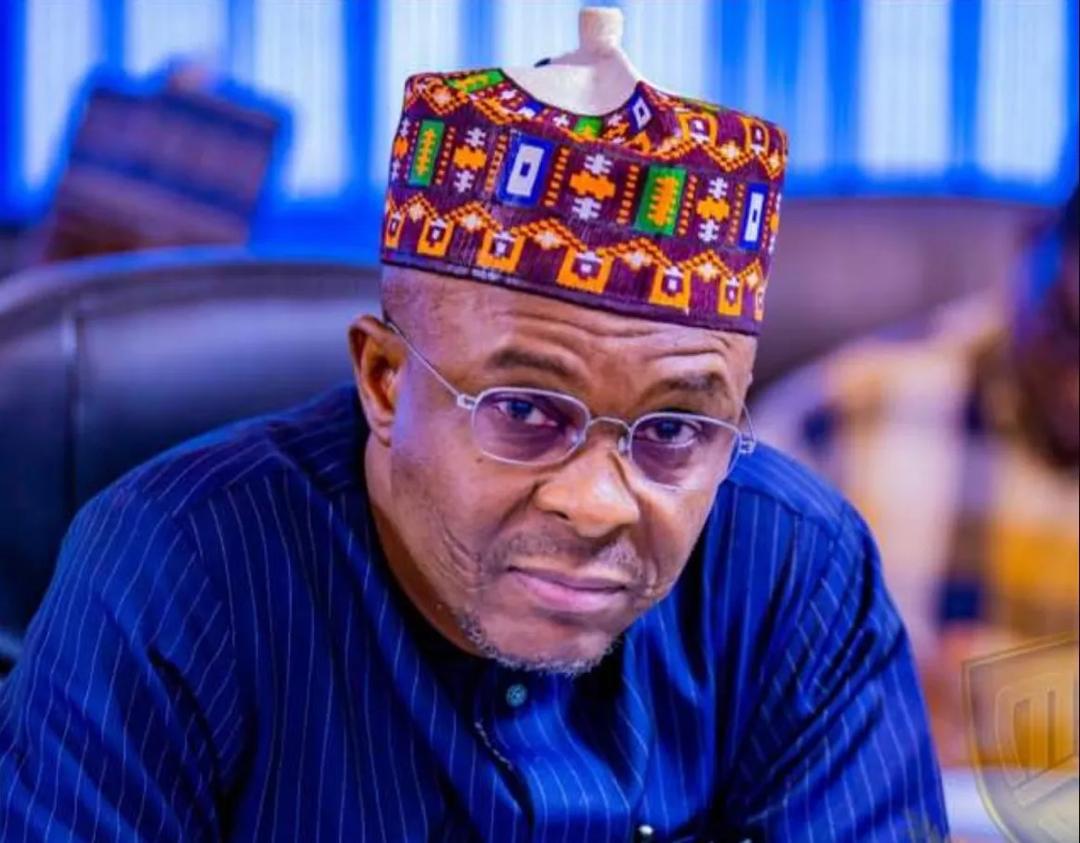
The Federal Government has directed the transfer of the Inland Dry Port (IDP) functions of the Nigerian Shippers’ Council (NSC) to the Nigerian Ports Authority (NPA) as part of ongoing reforms in the nation’s maritime sector.
The Minister of Marine and Blue Economy, Dr Adegboyega Oyetola, announced the directive while disclosing plans for the transition of the NSC into the newly established Nigeria Ports Economic Regulatory Agency (NPERA).
Oyetola said the changes were aimed at ensuring a clear separation between port economic regulation, infrastructure development and port operations.
According to him, a Ministerial Committee has been constituted to oversee the transition of the NSC into NPERA following President Bola Ahmed Tinubu’s assent to the NPERA Act, 2026.
The minister described the new legislation as a landmark reform that would establish a substantive statutory economic regulator for Nigeria’s port sector after about two decades of efforts to achieve such a framework.
The NSC has served as the country’s interim port economic regulator since 2014.
Under the new arrangement, NPERA will be responsible for key economic regulatory functions, including the regulation of tariffs and charges, promotion of competition, licensing, service standards, commercial dispute resolution and protection of port users.
Oyetola said the separation of regulatory and operational responsibilities was necessary to strengthen confidence in the sector and prevent actual or perceived conflicts of interest.
He said an economic regulator must be able to operate as an impartial referee and should not simultaneously perform functions that could compromise that role.
The minister said the government’s objective was to ensure that agencies under the Federal Ministry of Marine and Blue Economy operated within clearly defined mandates.
This, he said, would eliminate overlapping responsibilities, improve transparency and provide a more predictable business environment for port users, investors, terminal operators, shipping companies and other stakeholders.
On the transfer of the IDP functions, Oyetola said moving the responsibility to the NPA would strengthen the development and integration of inland dry ports into Nigeria’s wider port infrastructure and operational network.
He said the NPA was better positioned to promote the facilities as part of an integrated national port system.
The minister said the emergence of NPERA marked a new phase in the governance of Nigeria’s port sector, assuring that the government would work to ensure a smooth transition.



-

 Energy11 months ago
Diesel falls to ₦979/L in Lagos
-

 Law & Crime12 months ago
EFCC vs Yahaya Bello: Court adjourns ₦80.2b alleged fraud trial to Nov 11
-

 Art & Life9 years ago
These ’90s fashion trends are making a comeback in 2017
-
Business9 years ago
The 9 worst mistakes you can ever make at work
-
Entertainment9 years ago
The final 6 ‘Game of Thrones’ episodes might feel like a full season
-
Art & Life9 years ago
According to Dior Couture, this taboo fashion accessory is back
-
Entertainment9 years ago
The old and New Edition cast comes together to perform
-
Entertainment9 years ago
Mod turns ‘Counter-Strike’ into a ‘Tekken’ clone with fighting chickens