
Energy
Dangote Refinery expands to 1.4mbpd capacity

· Commends Tinubu’s reforms, projects $55bn annual revenue
· Plans NGX listing to empower Nigerians
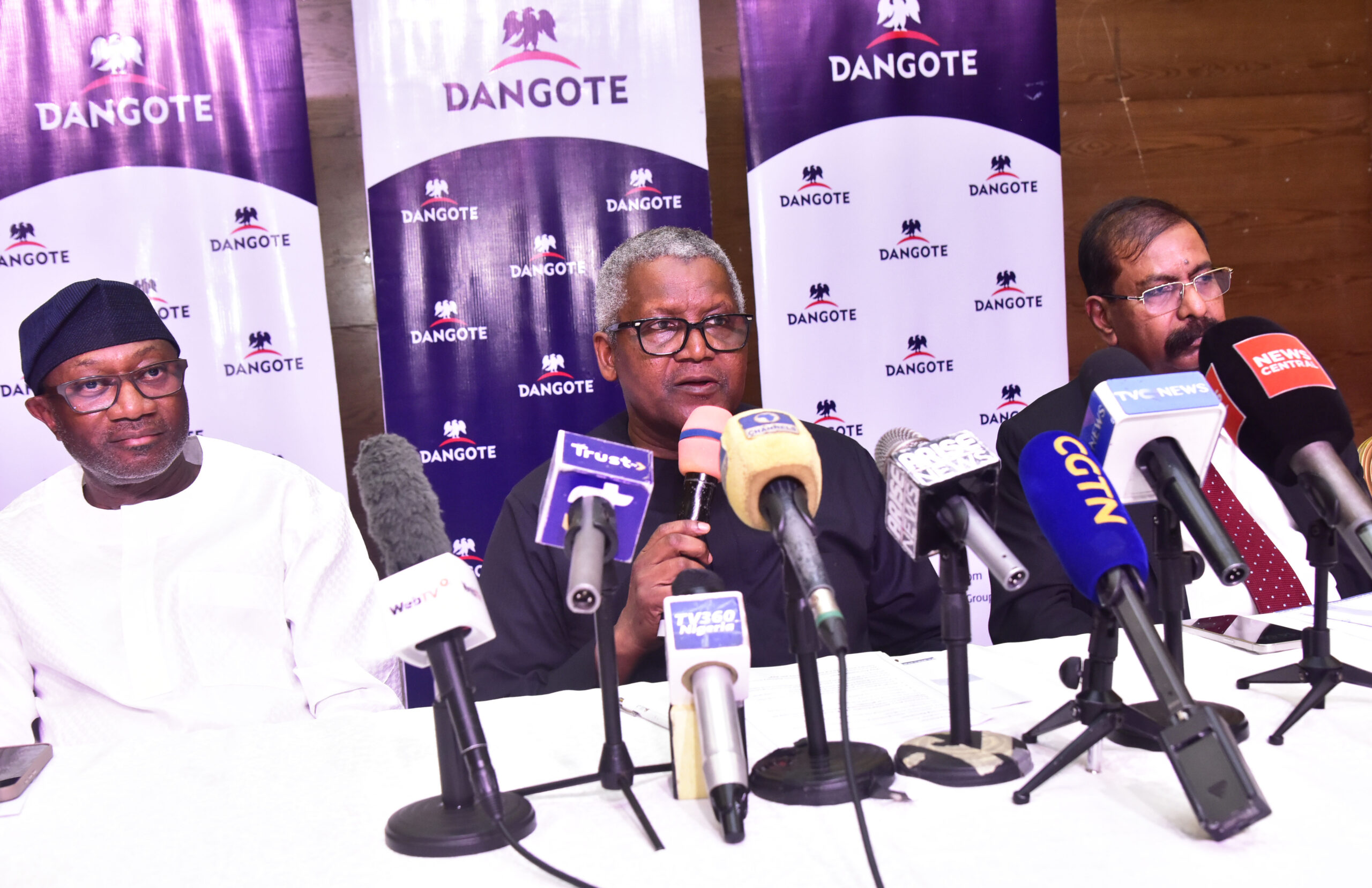
President of Dangote Industries Limited, Aliko Dangote, has explained that the decision to expand the Dangote Petroleum Refinery from 650,000 barrels per day (bpd) to 1.4 million bpd is driven by emerging opportunities across Africa, growing regional demand for cleaner fuels and Nigeria’s evolving policy environment that encourages local refining.
Speaking at a media briefing in Lagos, Dangote said the $20 billion facility, already the largest single-train refinery in the world, will more than double its capacity within the next three years, making it a global leader in petroleum refining and a major driver of Africa’s industrial renaissance.
“This expansion reflects our confidence in Nigeria’s future, our belief in Africa’s potential and our commitment to building energy independence for our continent and the world. It also is about confidence in Nigeria, in Africa and in our capacity to shape our own energy future.
”It is the dream of President Bola Ahmed Tinubu GCFR, for Nigeria to emerge as one of the major suppliers of petroleum products in the world. And with his strong backing through his policies, we are taking on the challenge to make this happen,” Dangote said.
According to him, the expansion reflects the group’s belief in Africa’s potential to achieve energy security and transform its economy from being an exporter of raw crude to a hub for refined petroleum products.
Dangote revealed that the expansion project would be executed over the next three years and would be financed through a mix of cash flow, public listing and strategic investors. When completed, the refinery will surpass India’s Jamnagar Refinery, currently the world’s largest facility, cementing Nigeria’s position as a global refining hub.
He said the refinery will also expand its polypropylene production capacity from 900,000 metric tonnes to 2.4 million metric tonnes per annum, further boosting the output of linear alkylbenzene, a key ingredient in detergent manufacturing, along with additional production of base oils.
“With this expansion, the refinery transitions from producing Euro V to Euro VI fuel standards, meeting the highest global environmental benchmarks. We will also expand our power generation capacity to 1,000 megawatts, ensuring complete operational self-sufficiency. More than 85 per cent of our workforce will be Nigerians, with continuous investment in skills development and technology transfer. Our commitment to safety, sustainability and local participation remains unwavering throughout every phase of the expansion,” he said.
Highlighting the economic impact of the project, Dangote said the expansion would further strengthen Nigeria’s energy security, reduce foreign exchange outflows, and save the country billions of dollars annually that would otherwise go into importing refined products.
He estimated that the refinery’s revenue could exceed $55 billion annually, making it one of the most valuable industrial assets on the African continent.
Dangote reaffirmed plans to list a significant portion of the refinery’s shares on the Nigerian Exchange (NGX) within the next year, describing it as part of efforts to democratise ownership and allow Nigerians to share in the value creation.
“Our main listing will be here in Nigeria to give Nigerians value. We want the Dangote Refinery to be the golden stock of the Exchange. Listing outside Nigeria is secondary to us. We want this to be a national asset in every sense. This is a step towards broader ownership and market transparency. Therefore we call on all Nigerians to seize this window, to benefit from this golden opportunity. Our long-term goal remains clear: to build Africa’s leading integrated energy and petrochemical hub, the first of its kind on the continent,” Dangote said.
He said the refinery’s strong cash flow, profitability prospects and strategic positioning would make it attractive to both local and global investors.
“This expansion will create additional jobs, support thousands of SMEs, and deepen our industrial base. Our goal has never been just to refine oil, but to refine opportunities for our people. It is a vote of confidence in Nigeria, in the reforms of President Bola Ahmed Tinubu’s administration, and in the ability of Africans to build and manage world-class infrastructure,” he added.
He expressed gratitude to President Tinubu and the Federal Government for supporting industrialisation policies such as Nigeria’s First, Naira-for-Crude and the ‘One-Stop Shop’ initiatives, which he said have emboldened investors to take on transformative projects.
He also commended the government’s intervention in mediating recent disruptions at the refinery linked to union activity and sabotage attempts, calling it a demonstration of effective collaboration between the public and private sectors.
Despite not yet recouping the initial investment in the 650,000 bpd phase, Dangote said the group is focused on long-term transformation rather than short-term returns.
“Refining is a long-term project. We are expanding because we believe in Africa. Without this refinery, Nigeria would still be buying dollars at ridiculous rates and depleting our reserves to import fuel,” he said.
He emphasised that Nigeria’s pump price remains among the lowest in the region despite the refinery’s production of higher-quality, cleaner fuels that have reduced toxic dumping in the country.
Dangote emphasised that the refinery has already made a difference by stabilising local fuel supply, helping to strengthen the naira, and preventing capital flight.
“Nigerians today buy petrol at roughly half the price of what our neighbours pay and it is even cheaper than in Saudi Arabia. Our product is of higher quality, meeting Euro VI standards, and it has significantly reduced the dumping of toxic fuel into our market,” he said.
As Nigeria approaches the festive season, Dangote assured the public that there would be no fuel scarcity or price hike during the ember months, despite recent global price increases.
“In the last three days, we have witnessed an eight per cent spike in global oil prices. But I want to assure Nigerians that the Dangote Refinery is fully committed to maintaining uninterrupted supply of petrol throughout the festive period. For the first time in many years, Nigerians can look forward to a Christmas and New Year free of fuel anxiety,” he added.
Dangote praised the Federal and Lagos State Governments for their continued support, along with the company’s host community in Lekki and its financial and technical partners.
“This expansion is not just about capacity; it is about confidence — in our people, in our government and in our continent. Together, we are building a stronger Nigeria and redefining what is possible for Africa,” the DIL President said.
He called on other investors holding refinery licences to emulate the example, urging collaboration in achieving President Tinubu’s vision of making Nigeria the refining hub of Africa.
“When Africa builds its own capacity, it builds its own destiny,” Dangote concluded.









….Culled from Reuters
Oil prices could extend gains today as the U.S.-Israeli war against Iran entered a third week, putting oil infrastructure at risk and keeping the Strait of Hormuz shut in the world’s largest supply disruption. U.S. President Donald Trump threatened further strikes on Iran’s Kharg Island oil export hub, drawing a defiant response of further retaliation from Tehran.
Brent and U.S. West Texas Intermediate crude futures have already spiked sharply and rattled global financial markets. Both contracts have surged more than 40 per cent so far this month to their highest levels since 2022 after the U.S.-Israeli attacks on Iran prompted Tehran to halt shipping through the Strait of Hormuz – a key chokepoint for a fifth of global oil supply.
Trump has urged China, France, Japan, South Korea, Britain and others to deploy warships to secure the strategic gateway.
The United States struck military targets on Kharg Island on Saturday, which was swiftly followed by Iranian drone attacks on a key oil terminal in the United Arab Emirates.
“This marks an escalation in the conflict,” JP Morgan analysts led by Natasha Kaneva said.
“Until now, the region’s oil infrastructure has largely been spared.”
Besides UAE’s Fujairah, Saudi Arabia’s Ras Tanura export terminal and Abqaiq oil processing facilities have been listed as critical and highly vulnerable energy nodes in the Gulf, the analysts said.
However, oil loading operations at Fujairah have resumed, a Fujairah-based industry source told Reuters yesterday.
Fujairah, outside the Strait of Hormuz, is the outlet for about one million barrels per day of the UAE’s flagship Murban crude oil – a volume equal to about one per cent of world demand.
Global oil supply is expected to fall by eight million bpd in March due to disruptions to shipping while Middle Eastern producers have cut output by at least 10 million bpd, according to the International Energy Agency (IEA).
Last week, the IEA agreed to release a record 400 million barrels of oil from strategic stockpiles held by member nations to combat price spikes. Japan plans to start releasing its oil today.
Meanwhile, the Trump administration has rebuffed efforts by Middle Eastern allies to start diplomatic negotiations, according to three sources familiar with the efforts, while Iran has rejected the possibility of any ceasefire until U.S. and Israeli strikes end, dimming hopes of a quick end to the conflict.
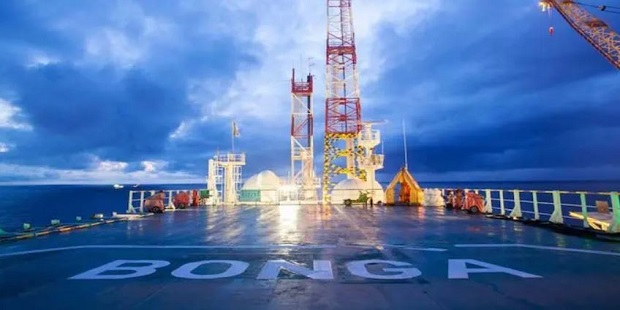
Shell Nigeria Exploration and Production Company Limited (SNEPCo) has completed the turnaround maintenance on the Bonga Floating Production, Storage and Offloading (FPSO) vessel, leading to resumption of production at Nigeria’s premier deepwater field on March 6, 2026. The project was delivered 11 days ahead of schedule and without any safety incident, reinforcing SNEPCo’s longstanding commitment to operational excellence and asset integrity.
SNEPCo Managing Director, Ronald Adams, noted that completing the turnaround safely and ahead of schedule is a testament to the dedication and professionalism of her Nigerian workforce and the helpful support of our partners.
“The achievement not only secures the long‑term integrity of the Bonga FPSO but also positions us strongly for the successful delivery of the Bonga North project, which will leverage the improved reliability of the FPSO,” Adams said.
The exercise which began on February 1, 2026, highlights SNEPCo’s leading role in advancing deep‑water expertise in Nigeria. Of the 55 companies involved in the execution, 43 were wholly Nigerian. Additionally, eight of the 12 international service providers maintain operational bases in Nigeria, contributing to knowledge transfer and increased local investments.
More than 1,000 personnel worked offshore during the turnaround, with over 95 per cent being Nigerians involved in maintenance, engineering, operations, inspection and construction. Thousands more supported activities from onshore locations, reflecting the depth of Nigerian capability in offshore oil and gas operations.
Adams added: “We acknowledge the support of several stakeholders towards the successful execution of the exercise, including the NNPC Upstream Investment Management Services (NUIMS), the Nigerian Upstream Petroleum Regulatory Commission (NUPRC), the Nigerian Content Development and Monitoring Board (NCDMB) and our partners.”
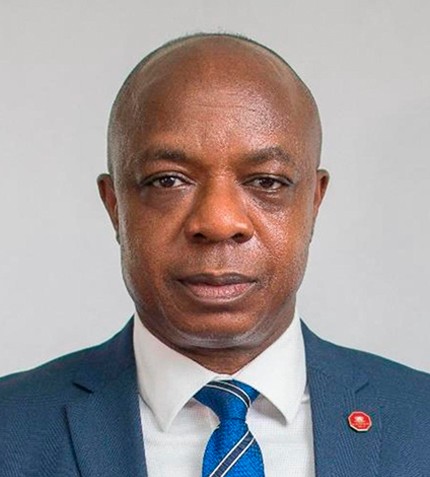
The Chairman, Petroleum Technology Association of Nigeria (PETAN), Wole Ogunsanya, has blamed petroleum industry regulators for persistent delays in oil and gas contracting processes, despite a presidential directive requiring tenders to be concluded within six months. Ogunsanya disclosed this during his presentation at the opening ceremony of the Nigeria International Energy Summit (NIES) 2026 in Abuja, yesterday. The Presidential directive is aimed at accelerating project execution across the energy sector.
Recall that President Tinubu in March 2024, issued Executive Order (OE) 42 mandating reduction of petroleum sector contracting costs and timelines, being part of a wider set of oil and gas reforms signed by the administration.
“We are not concluding contract processes in six months as directed and reports sent to the Presidency often fail to reflect the realities faced by industry players,” the PETAN boss said.
Ogunsanya disclosed that his Association is currently monitoring ongoing tenders, emphasising that several projects scheduled to commence in 2026 and 2027 remain stalled due to prolonged contracting cycles.
He noted that execution gaps persist despite a significant increase in contracting activities involving expressions of interest, tenders, pre-qualifications, and technical and commercial evaluations since the fourth quarter of 2024. He also identified prolonged internal approvals, delayed Final Investment Decisions (FIDs), slow commercial negotiations, extended regulatory and compliance procedures, and funding and financial close challenges as major bottlenecks undermining project delivery.
According to him, a study conducted by PETAN revealed that the current rate of contract awards falls significantly short of the Presidential benchmark of completing tenders within six months, with most contracts structured for five years and a possible two-year renewal.
Ogunsanya therefore called on the Presidency to give closer monitoring of the contracting process to ensure that awards and project execution align with presidential timelines, warning that continued delays could weaken investor confidence and slow sector growth.

-

 Art & Life9 years ago
These ’90s fashion trends are making a comeback in 2017
-
Entertainment9 years ago
The final 6 ‘Game of Thrones’ episodes might feel like a full season
-
Business9 years ago
The 9 worst mistakes you can ever make at work
-
Art & Life9 years ago
According to Dior Couture, this taboo fashion accessory is back
-
Entertainment9 years ago
The old and New Edition cast comes together to perform
-
Entertainment9 years ago
Mod turns ‘Counter-Strike’ into a ‘Tekken’ clone with fighting chickens
-
Sports9 years ago
Phillies’ Aaron Altherr makes mind-boggling barehanded play
-
Entertainment9 years ago
Disney’s live-action Aladdin finally finds its stars