
Economy
Fiscal, tax reforms have expanded revenue, improved economy

• CPPE calls for fiscal discipline from subnationals
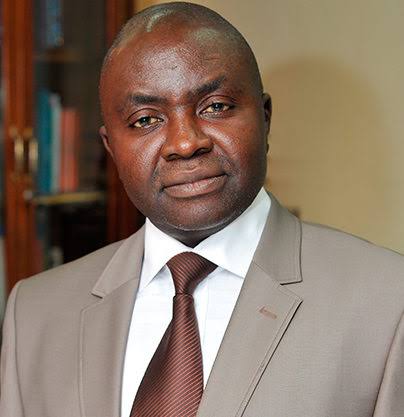
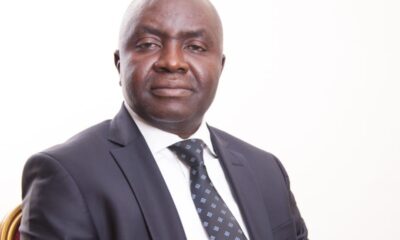
Nigeria’s fiscal and tax reforms have delivered important progress in expanding revenue and improving fiscal sustainability. This was the submission of the Centre for the Promotion for Private Enterprise Chief Executive, Dr. Muda Yusuf, yesterday.
Dr. Yusuf, an economist, in a position paper on the country’s fiscal and tax reforms in the last two years, a copy of which was made available to The Nation, charged that arising from what has been achieved thus far, the next phase must focus on deepening revenue diversification, enhancing spending efficiency and aligning fiscal outcomes with real economic performance. This, he said, can be achieved with prudent management, stakeholder collaboration, and social sensitivity. He added that these reforms can lay a solid foundation for a more resilient, productive and inclusive Nigerian economy.
According to the CPPE boss, two landmark policy measures, notably the removal of fuel subsidy and the unification of exchange rates, have significantly boosted government revenues, expanded fiscal space and improved the capacity for public investment.
The CPPE though contended that the country is undergoing a major fiscal transition aimed at strengthening revenue mobilisation, fiscal sustainability and economic resilience, the dividend are already visible. It noted that collections from Value Added Tax (VAT) and Company Income Tax (CIT) have increased, reflecting stronger compliance and a gradual recovery in economic activities. Notably, the subnational governments are reporting higher revenues and increased allocations to agriculture, infrastructure, and social development.
Although the economist agreed that rising inflation and currency depreciation have moderated the real value of these gains, underscoring the need for prudent fiscal management and realistic expectations, it nonetheless insisted that the recent reforms have driven strong nominal revenue growth.
“Fuel subsidy removal freed trillions of naira in fiscal resources; exchange rate unification boosted naira-denominated oil revenues; VAT and CIT collections improved through enhanced compliance and enforcement. Despite these advances, the real fiscal impact is tempered by high inflation and exchange rate pressures. It is therefore important to assess fiscal outcomes in both nominal and real terms to maintain credible expectations and policy balance,” Dr. Yusuf said.
Dr. Yusuf noted that noted that recent tax measures have introduced several positive features into the economy including reliefs for producers and priority sectors; higher exemption thresholds for low-income earners and small businesses; zero-rated VAT on essential goods such as food, pharmaceuticals, and educational materials.
He however said that private sector concerns remain over compliance costs, the increase in capital gains tax from 10 per cent to 30 per cent and possible welfare implications of personal income tax changes. He therefore appealed that effective implementation should be guided by stakeholder consultation, flexibility and evidence-based adjustments.
The CPPE boss regretted that despite Nigeria’s large economy and population, the country’s budget remains relatively small when compared to other economies with less population.
A 2025 comparison of national budgets in U.S. dollar terms highlights Nigeria’s fiscal limitations. In the current fiscal year, Nigeria’s $36.7 billion budget is dwarfed by South Africa’s $141 billion; Algeria’s $126 billion; Egypt’s $91 billion and that of Morocco which is $73 billion.
“This limits fiscal capacity for transformative investments in infrastructure, human capital and social welfare. The situation underscores the urgency of revenue diversification, public-private partnerships, and enhanced non-tax revenue mobilization,” he explained.
The CPPE submitted that with limited fiscal space, spending efficiency is paramount. Priority areas it noted should include infrastructure comprising roads, power, ports and digital infrastructure, with the aim to reduce business costs and improve competitiveness; productivity, to be targeted at supporting manufacturing, MSMEs, and technology-driven enterprises; food security, that is investment in agriculture, storage, irrigation and logistics to stabilise prices and supply; security, strengthening of law enforcement, intelligence, and military capability and human capital through increased investment in health and education to build a skilled and productive workforce.
“Governments at all levels should minimie waste, link spending to measurable outcomes, and comply strictly with fiscal responsibility benchmarks,” the CPPE admonished.
The CPPE agreed that state governments play a pivotal role in national fiscal sustainability and given that many of these subnationals have benefited from higher federal allocations, improved internally generated revenue (IGR) and expanded investments in key sectors there is a need for them to align fiscal priorities with local economic needs — supported by transparency and accountability , to promote balanced national development and reduce dependence on federal transfers.
“The long-standing five per cent fuel levy for road maintenance, legislated since 2007, has never been implemented due to affordability and social concerns. While its fiscal rationale is clear, activation should consider economic conditions, timing, and social welfare implications to ensure broad acceptance and minimal disruption,” Dr. Yusuf said.
He therefore recommended that there is a need to adjust fiscal assessments for inflation and exchange rate effects and communicate outcomes transparently.
“There is also the need to broaden and diversify the revenue base by improving tax efficiency, expand the tax net and optimise non-tax revenues and national assets. Also important is the need to prioritise high-impact spending by focusing on infrastructure, food systems, productivity, and security. Strengthening subnational fiscal capacity by supporting fiscal autonomy, accountability and efficient resource use in states; implementation of tax reforms with flexibility by maintaining continuous dialogue with stakeholders and refine policies as needed and also by reinforcing fiscal discipline by ensuring strict adherence to fiscal responsibility frameworks across all levels of government,” Dr. Yusuf submitted.








By Olamide Akintunde
Experts in corporate governance, finance and public policy have said Nigeria must institutionalise good governance, sustain economic reforms and strengthen collaboration between the public and private sectors to accelerate economic growth and realise its ambition of becoming a $1 trillion economy.
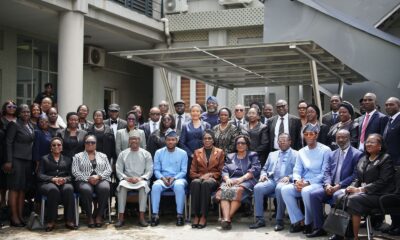
The call came at the 2026 National Corporate Governance Summit themed “Implementing Good Governance for Economic Acceleration: Consolidating Public and Private Sector Partnership,” organised by the Institute of Directors (IoD) Centre for Corporate Governance, the Financial Reporting Council of Nigeria (FRC), the Ministry of Finance Incorporated (MOFI) and the Institute of Chartered Secretaries and Administrators of Nigeria (ICSAN).
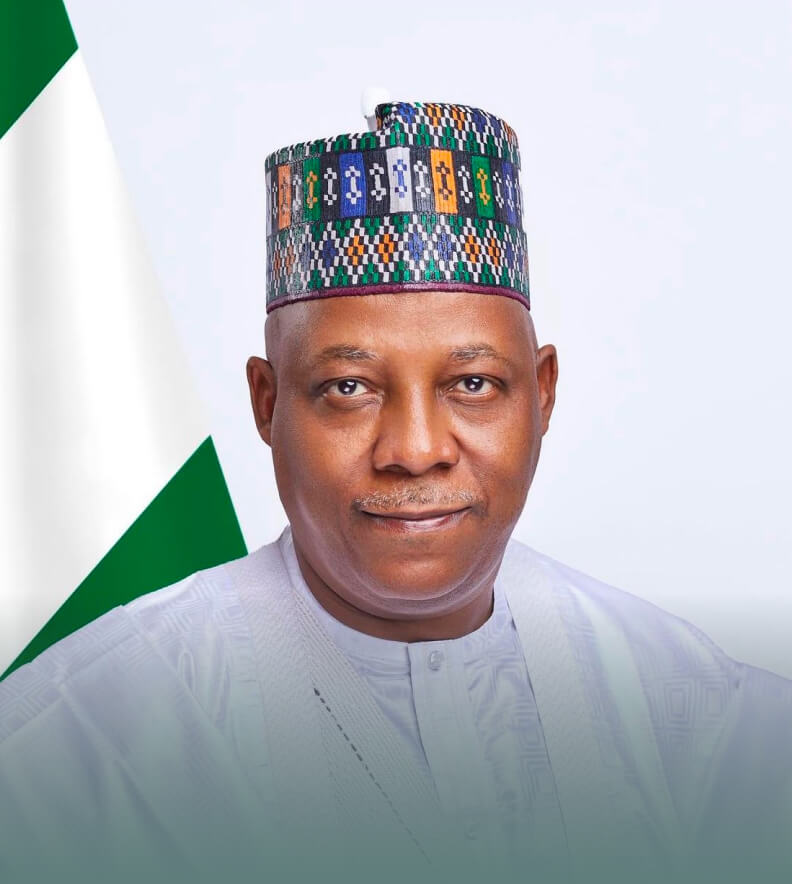
Speaking on the theme, the Special Adviser to the President on Economic Affairs, Dr. Tope Fasua, who represented the Vice President, Kashim Shettima, said President Bola Tinubu’s administration remained committed to implementing reforms capable of building a resilient and competitive economy.
He said the government’s economic reforms including foreign exchange reforms, tax reforms and subsidy removal must be complemented by strong corporate governance in both public institutions and private enterprises.
“The public sector can create the enabling environment through reforms, but it is the private sector that translates those policies into investments, jobs and wealth creation. Both sectors must operate with integrity, accountability and transparency,” he said.
Fasua emphasised that governance should not be treated as a mere compliance exercise but as the foundation upon which investor confidence and sustainable economic development are built.
Speaking on the sidelines of the summit, he explained that the Federal Government’s reforms were designed to create long term economic transformation rather than deliver short term political gains, while calling for greater support for domestic investment and industrialisation.
Delivering the keynote address, the Chairman of Nigerian Breweries Plc, Mrs. Juliet Anammah, described the summit’s theme as timely, saying good governance must move beyond compliance and accountability to become a strategic tool for driving Nigeria’s economic rebirth. She maintained that stronger partnerships between government and the private sector would be critical to achieving sustainable economic acceleration and improving the quality of life of Nigerians.
According to her, the country’s immediate objective should be to move from a lower-middle-income economy to an upper-middle-income economy through sustained industrialisation, innovation and long-term policy implementation.
She acknowledged that the Federal Government had undertaken bold reforms, including fuel subsidy removal, foreign exchange unification and bank recapitalisation, saying the difficult decisions had helped stabilise the economy.
While noting that macroeconomic stability was encouraging, Anammah said it was not the final destination.
“Stabilisation is not the end goal. The destination is economic rebirth that improves household incomes, creates quality careers, expands access to healthcare and education and delivers reliable infrastructure,” she said.
Drawing lessons from countries such as Vietnam and Morocco, she argued that Nigeria must embrace industrialisation by producing more sophisticated and value-added products instead of relying on primary commodities.
She noted that sectors such as petrochemicals, agro-processing, automotive, renewable energy and manufacturing already possess enormous growth potential but require consistent industrial policies supported by sound governance to unlock higher levels of economic complexity.
According to her, policy inconsistency remains one of Nigeria’s greatest development challenges, urging governments at all levels to sustain industrial policies beyond political administrations.
She also advocated stronger competition among states, independent evaluation of industrial policies and closer collaboration between government and the private sector to deepen investment and accelerate economic growth.
She concluded that achieving meaningful economic acceleration would require strong corporate governance, sustained industrial policies and close collaboration between government and the private sector, noting that only through such coordinated efforts can Nigeria transition from an economy driven by informal livelihoods to one characterised by productive industries, quality careers and rising prosperity for its citizens.
Earlier, Chairman of the Board of Governors of the IoD Centre for Corporate Governance, Dr. Uche Eke, said the summit deliberately shifted the conversation from governance principles to implementation, stressing that sustainable economic growth would only be achieved when sound governance becomes embedded across both public institutions and private enterprises.
He explained that Nigeria had spent years identifying governance challenges and developing frameworks, stressing that the time had come for practical execution.
“We have stayed too long articulating the issues. The focus now is implementation. We must embed sound corporate governance practices in both public institutions and private organisations to guarantee sustainability beyond current leadership,” he said.
Eke noted that the summit sought to build national consensus among regulators, government institutions and the private sector on practical governance reforms capable of improving transparency, accountability and economic competitiveness.
He stressed that merit, competence and diversity should determine appointments into leadership positions rather than nepotism or political considerations.
“If Nigeria is serious about building a one trillion dollar economy, we must consistently place the right people in leadership positions, promote diversity of skills and hold leaders accountable for results,” he said.
Also speaking, Managing Director and Chief Executive Officer of MOFI, Dr. Armstrong Takang, said government alone cannot build the economy Nigeria desires, stressing that strong corporate governance is the foundation for effective public-private partnerships, investor confidence and long-term economic development.
He argued that contrary to the belief that government should not participate in business, successful economies such as China had demonstrated that well-governed state-owned enterprises could become major drivers of investment, industrialisation and economic growth.
Takang said MOFI’s recent experience showed that institutions with strong corporate governance frameworks consistently attracted greater investment and delivered better value creation.
According to him, governance reforms introduced across MOFI’s portfolio companies had significantly improved investor confidence and strengthened the performance of government-owned assets.
He cited initiatives including the MOFI Real Estate Investment Fund and the proposed Metro Rail Infrastructure Programme as examples of projects attracting institutional investment because of strong governance structures.
“Government alone cannot build the economy we desire. We need partnerships with the private sector and institutional investors, and corporate governance remains the common denominator that inspires confidence and mobilises capital,” he said.
Stakeholders and participants at the summit agreed that sustaining reforms, strengthening institutions and entrenching transparency across both public and private organisations would be critical to accelerating economic growth, boosting investor confidence and positioning Nigeria to achieve its long-term development ambitions.
- CPPE hails H1 economic fundamentals
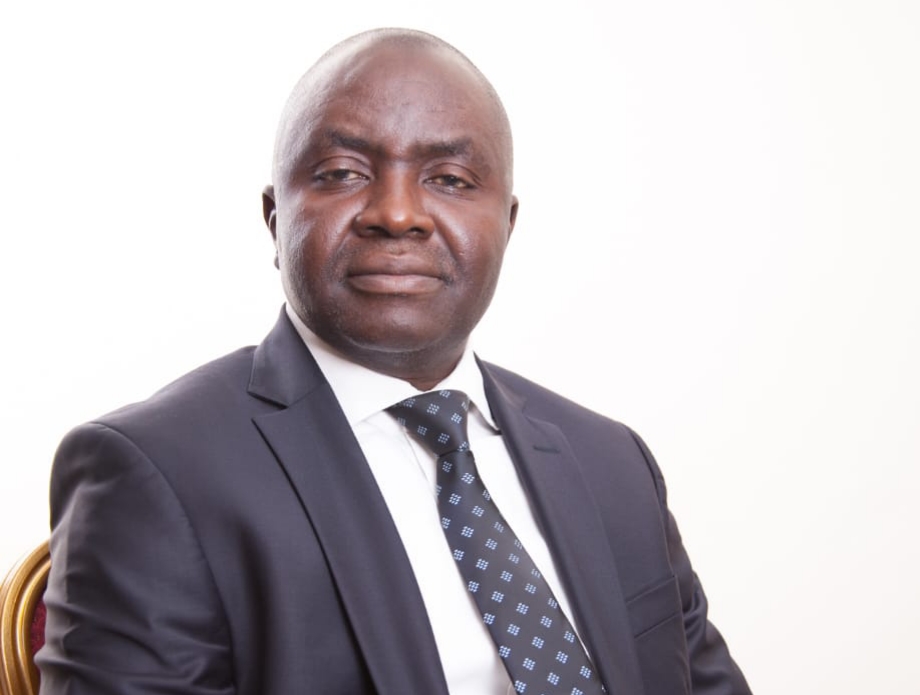
An economist and policy analyst, Dr. Muda Yusuf, said Nigeria is entering the second half of 2026 with its strongest macroeconomic fundamentals in several years than what obtained at the beginning of the year.
Instrumental to this feat are exchange-rate stability, moderating inflation relative to the exceptionally elevated levels of 2025, stronger external reserves, improved oil production and resilient financial markets, which have all contributed to reducing macroeconomic vulnerabilities and strengthening investor confidence.
Given the renewed confidence in the economy, Yusuf, who is also the Chief Executive Officer, Center for the Promotion of Private Enterprise (CPPE), noted that while the body remains remains cautiously optimistic of an improved economy, yet, the economic output performance is expected to remain positive, supported by financial services, telecommunications, construction, trade, oil refining and other service-sector activities. It noted that although growth is likely to remain below Nigeria’s long-term potential, the economy appears firmly on a gradual recovery path.
“Inflation is expected to remain substantially below 2025 levels, although food supply disruptions, energy costs and developments in global commodity markets remain important upside risks. Exchange-rate stability should be sustained by stronger foreign exchange inflows, healthier reserves and improved market confidence,” Yusuf said.
Still, the economist’s optimism of an upscale in the economy is further buoyed by the financial markets which are expected to remain broadly resilient, supported by banking-sector recapitalisation, stronger corporate earnings, improved regulatory oversight and sustained institutional participation.
Importantly, Yusuf said improved domestic refining capacity and stronger crude oil production will also significantly support fiscal revenues, foreign exchange earnings and energy security.
He however cautioned that the second half of the year also presents an important downside risk to the gains recorded in the economy so far owing to the increasing intensity of political and electioneering activities ahead of the 2027 elections.
“Election-related spending could inject additional liquidity into the economy, with possible implications for inflationary pressures, foreign exchange demand and macroeconomic management. There is also a risk that growing political activity could distract policymakers from economic governance, reform implementation and the execution of critical fiscal and structural policy initiatives,” Yusuf cautioned.
The prospects now offered in the second half of the year, the CPPE boss said, are built on the gains recorded during the first half which was characterised the first half of the year. These, he explained, were reflected in the continued progress in macroeconomic stabilisation as economic growth remained positive, the foreign exchange market became more orderly, external reserves improved, crude oil production strengthened modestly and government revenues benefited from improved oil receipts and stronger non-oil tax collections, including the financial markets which also remained resilient, supported by improving investor confidence and policy credibility.
But notwithstanding these encouraging developments, the real economy, he argued, remained under considerable pressure with high interest rates continuing to constrain private-sector investment and access to credit, while elevated energy costs, inadequate electricity supply, logistics inefficiencies and weak transport infrastructure sustained a high-cost operating environment. Manufacturing, agriculture and MSMEs, he said, faced persistent competitiveness challenges despite improvements in macroeconomic stability.
“Insecurity continued to undermine agricultural production, disrupt supply chains and discourage investment across several sectors. Meanwhile, capital expenditure implementation remained below expectations because of procurement delays, funding constraints and debt-service pressures, limiting the growth impact of fiscal policy.
“Overall, H1 2026 was characterised by stronger macroeconomic stability but only modest improvements in real-sector performance and household welfare, underscoring the need for deeper structural reforms,” he said.
While Yusuf explained that the improvement in macroeconomic indicators provides an important foundation for sustainable growth, he nonetheless cautioned that these indicators are not all sufficient.
“The next phase of reform should focus on lowering production costs, improving productivity and strengthening the competitiveness of Nigerian enterprises. Priority should be given to improving electricity supply, transport infrastructure, logistics efficiency, and port operations; strengthening security in farming communities and along transport corridors; expanding access to affordable long-term finance for productive sectors; accelerating budget implementation, strengthening budget process credibility, and improving infrastructure delivery; and deepening domestic value addition.
“Government revenue should increasingly be driven by efficiency-enhancing reforms rather than additional tax burdens, while policy consistency should be preserved despite increasing political activity ahead of the 2027 elections. It is equally important to minimise governance distractions and ensure that electioneering does not weaken the pace of reforms, budget implementation or the quality of economic management,” Dr. Yusuf submitted.
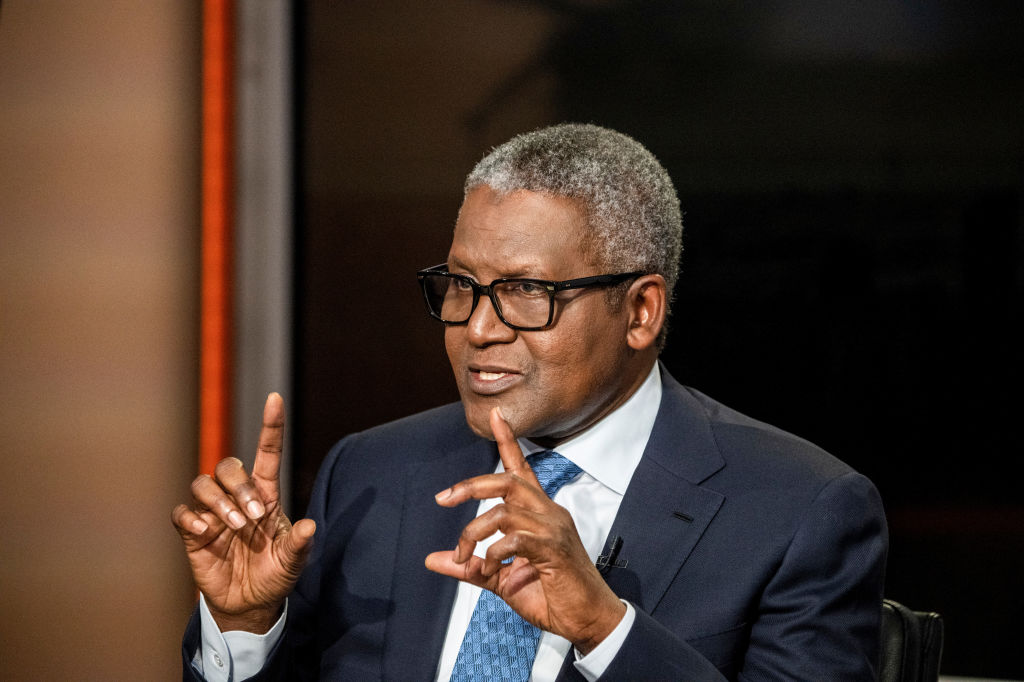
The Federal Government has called on host communities in Ogun and Ondo states to give maximum support to the proposed Dangote Industrial City and Deep Seaport project, describing it as a transformative initiative that will create opportunities for economic growth and community development.
Representing the Minister of Environment, Balarabe Lawal, at the combined Environmental and Social Impact Assessment (ESIA) site visit, the Director of Assessment, Federal Ministry of Environment, Mrs. Rofikat Odetoro commended Dangote Industries Limited (DIL) for its commitment to environmental sustainability and inclusive stakeholder engagement.
Speaking during the three-day assessment tour across Ode-Omi Waterside Community in Ogun State and Araromi Community in Ondo State, Odetoro expressed satisfaction with the level of community consultations and groundwork undertaken to ensure the project aligns with environmental regulations and the interests of host communities.
Odetoro stressed the need for inclusive dialogue, urging traditional rulers and community leaders not to overlook women and children during consultations. “I urge you to factor women into every engagement. Women and children are as important as every other member of the community and they have unique needs that must not be ignored. Please give this project every support possible. It presents enormous opportunities for youths, women, and children to benefit from employment and the mandatory corporate social responsibility initiatives that will accompany it,” she said.
Speaking during the community engagement at Araromi Seaside Kingdom, Managing Director, Infrastructure and Logistics, Dangote Industries Limited, Capt. Jamil Abubakar, assured the indigenes of transparency, fairness, and continuous engagement throughout the project’s implementation.
According to him, the President of Dangote Industries Limited, Aliko Dangote, is committed to ensuring Africa becomes more self-sufficient through strategic infrastructure investments.
“Our President is committed to positioning Africa for greater self-sufficiency and Araromi has been chosen as the location where one of the world’s biggest deep seaports will be built. We are excited about the prospects of this project. We are here to listen to the community’s concerns and work together to achieve a win-win outcome for every stakeholder involved,” he said.
Abubakar further disclosed that Aliko Dangote had directed the project team to carry out a comprehensive needs assessment of the host communities and provide critical interventions regardless of the project’s stage of development.
Presenting the ESIA, Group Lead, Environment and Sustainability, DIL, Dr. Adeyemi Adun, said the study was designed to establish the current environmental and socio-economic baseline of the host communities before project execution. He explained that the assessment would evaluate the quality of air, water and soil, as well as the socio-economic conditions of residents, in line with Federal Ministry of Environment guidelines.
“This phase of the project is intended to establish the current status of the community in terms of air quality, water resources, soil conditions, and socio-economic indicators, as required by the Federal Ministry of Environment. We also assure you that this project will have a positive impact on your communities, just as Dangote Industries has done in other host communities across the country,” Adun added.
Also speaking during the tour, the representative of the Ondo State Commissioner for Environment and Director of the Environmental Assessment Department, Isaac Ojo, welcomed the commencement of the assessment process, describing it as inclusive and beneficial to all stakeholders. “We are delighted that this process has begun and that it accommodates every stakeholder. We are confident the project will benefit the communities, and we encourage everyone to give the Dangote team the maximum support required for its success”, Ojo said.
The Alara of Araromi Seaside Kingdom, Oba Adeoloye Olawole, also expressed strong support for the project, describing Aliko Dangote as “a genius” whose investments would accelerate the development of the kingdom. “We are counting on Aliko Dangote to help develop our kingdom. He is a genius, and we are ready to provide every support necessary to ensure the success of this project. We have always maintained that our community is peaceful, cooperative, and committed to progress. We want him to help develop our land as he doing all over Africa,” the monarch added.

-

 Art & Life9 years ago
These ’90s fashion trends are making a comeback in 2017
-
Business9 years ago
The 9 worst mistakes you can ever make at work
-
Entertainment9 years ago
The final 6 ‘Game of Thrones’ episodes might feel like a full season
-
Art & Life9 years ago
According to Dior Couture, this taboo fashion accessory is back
-
Entertainment9 years ago
The old and New Edition cast comes together to perform
-
Entertainment9 years ago
Mod turns ‘Counter-Strike’ into a ‘Tekken’ clone with fighting chickens
-
Sports9 years ago
Phillies’ Aaron Altherr makes mind-boggling barehanded play
-
Entertainment9 years ago
Disney’s live-action Aladdin finally finds its stars