
Maritime
Trade facilitation: NSC tinkers cut in 21-day dwell time at ports

• Trains maritime police to curb clearance bottlenecks
By Grace Edet
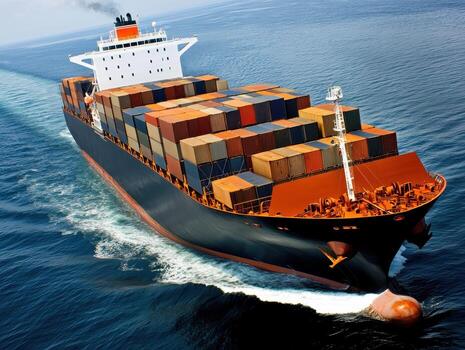
The Nigerian Shippers’ Council has intensified efforts to tackle the country’s prolonged cargo clearance delays—currently averaging 21 days, and considered one of the longest globally, by strengthening collaboration with the Maritime Police Command through a new capacity-building programme.
The workshop with the theme: “Facilitating Port Efficiency: The Strategic Role of the Maritime Police”, held yesterday, in Lagos.
Declaring the training open on behalf of the Council’s Executive Secretary/CEO Pius Akutah, the Director, Regulatory Services Department, Margaret Ogbonnah, said the event marks “a high-point” in the port regulator’s long-standing partnership with the Nigeria Police, especially as the Federal Government pushes for more efficient port operations under the blue economy reform agenda.
In his remarks, the ES noted that the country continues to lag behind regional and global peers in cargo clearance speed.
“While it takes only 6 hours to clear a containerised cargo in Singapore and seven days in Lomé, it takes an average of 21 days or more in Nigerian ports. This has contributed to Nigeria’s low global perception index on Ease of Doing Business,” he said.
He explained that despite several government interventions, reductions in dwell time have been hindered by a combination of operational gaps and human-factor-related delays.
Akutah said the Council has received reports from port stakeholders about various forms of interference affecting cargo movement, including detention orders placed on cargo already cleared through due process, operational disruptions linked to multi-layered enforcement activities, and accidents involving personnel of shipping companies and terminals
He emphasised that such actions—whether arising from misunderstandings or procedural oversights, tend to extend dwell time and increase demurrage and storage charges for businesses.
“Investigations often showed that some actions were carried out without the knowledge of the appropriate authorities within the Maritime Police Command,” he said.
This, he added, prompted both institutions to engage the Inspector General of Police in 2018, resulting in a directive that only letters signed by the AIG or duly designated officers should be acted upon, thereby streamlining enforcement communication at the ports.
“Together, we have achieved quite a lot, but we cannot rest on past achievements. Our focus must be firmly on attaining international best practices,” Akutah said.
Represented by the Assistant Commissioner of Police Administration, Ports Authority Police, Western Command, ACP Olufikayo Fawole, the Assistant Inspector-General of Police (Maritime Command), AIG Chinedu Oko, commended the NSC for sustaining a collaborative platform that supports law enforcement efficiency within the maritime environment.
“Modern port security goes far beyond traditional policing. The efficiency of our ports depends significantly on how effectively law enforcement interfaces with operators, regulators, freight forwarders, shipping lines, and the wider supply chain,” he said.
He stressed that the Maritime Police play a critical role in securing maritime assets, deterring cargo-related crimes, preventing pilferage, and ensuring that legitimate trade flows without avoidable friction.
“Your professionalism and integrity directly influence the confidence of shippers, investors, and the international maritime community,” he told participating officers.
Delivering the technical paper on behalf of the AIG, DCP Chukwuemeka Obasi said the efficiency of the country’s ports is inseparable from the security framework supporting them.
He outlined three key reform pillars guiding police operations toward improved port efficiency. The first focused on operational streamlining by harmonising enforcement roles with the Nigerian Ports Authority (NPA), Nigeria Customs Service, NIMASA and other agencies to eliminate duplication.
The second emphasised technology integration, particularly the deployment of digital surveillance systems, cargo-monitoring platforms and intelligence tools under initiatives such as the Deep Blue Project. The third pillar centred on strengthening stakeholder collaboration by enhancing joint task forces and port security committees to ensure more coordinated maritime security responses.
However, he noted persistent challenges including overlapping mandates among agencies, limited patrol and surveillance logistics, legal bottlenecks in prosecuting maritime offences, and ethical concerns that can undermine efficiency.
To address these, he recommended joint security frameworks, expanded specialised training, smart surveillance, legal reforms, and stronger accountability systems, insisting that policing must support, not obstruct, trade facilitation.
In closing, the NSC boss reaffirmed that port efficiency cannot be achieved by one institution alone.
“Our mandate as Port Economic Regulator is to ensure efficiency, but it requires synergy with the Maritime Police and all stakeholders. This training is part of our commitment to educating officers and promoting global standards in port operations,” he said.
He commended officers of the Council and the Maritime Police Command for their role in organising the programme and urged participants to apply lessons learned to their daily operational decisions.
With Nigeria still grappling with a 21-day average cargo dwell time, the NSC says eliminating procedural bottlenecks, improving security coordination, and strengthening professionalism within port corridors remain central to restoring competitiveness. The Council and the Maritime Police believe that enhanced capacity, technology-driven enforcement and regulatory collaboration will be key to improving trade facilitation and supporting the country’s blue economy ambitions.

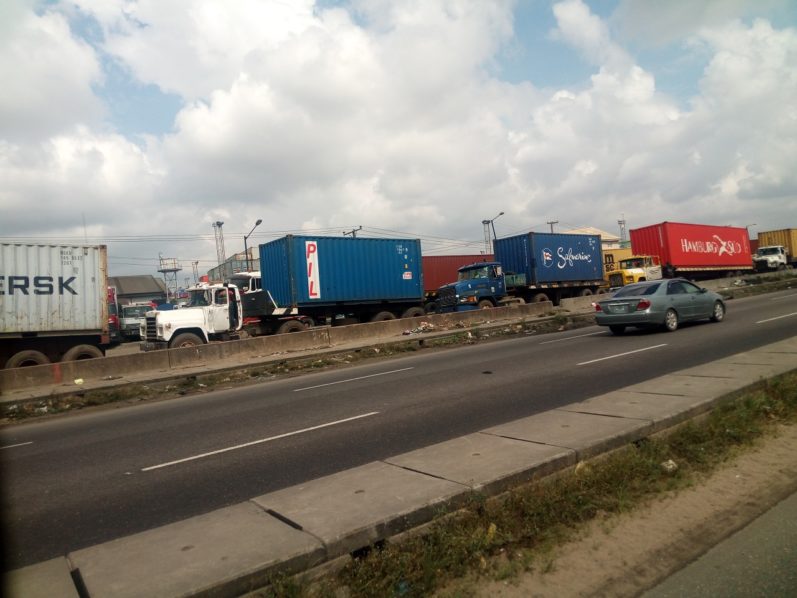
Stakeholders operating within the Lekki Deep Seaport corridor have agreed on a series of measures aimed at eliminating the persistent traffic gridlock that has crippled access roads to the port and adjoining industrial facilities for more than a year.
The resolution was reached at a strategic stakeholders’ meeting convened by the Nigerian Ports Authority (NPA) and chaired by the Lekki Port Manager, Emmanuel Anda.
The meeting was attended by representatives of the Lagos State Government, Lekki Port, Dangote Refinery, truck owners’ associations, the Electronic Truck Call-Up System operator, and other key industry stakeholders.
A major decision taken at the meeting was the prohibition of stationary trucks and tankers along the Lekki port corridor.
Stakeholders agreed that all trucks must remain in designated holding bays and waiting areas until they receive clearance to proceed to the port or industrial facilities.
The agreement followed an inspection tour of the Lekki port access roads by the stakeholders, who witnessed firsthand the severity of the traffic congestion. They subsequently resolved that the situation could no longer be allowed to persist.
Speaking at the meeting, the representative of Mycallup, the electronic truck call-up system operator for the Lekki Port corridor, Timi Koteolu, identified trucks servicing Dangote Refinery outside the electronic scheduling platform as one of the major causes of the gridlock.
According to him, many truck drivers operating with Dangote Refinery’s Authority to Collect (ATC) permits have been found parking indiscriminately along the roads while waiting to gain access to the refinery.
Koteolu disclosed that trucks servicing the refinery are currently not integrated into the port’s electronic call-up system, a development he said has contributed significantly to the traffic bottleneck.
Responding, the representative of Dangote Refinery, Jaiyeola Moshood, explained that the ATC permits serve as the approved access mechanism for tankers entering the refinery.
However, the management of the electronic truck call-up system maintained that trucks without an active call-up should not approach the port corridor and should instead remain in designated waiting areas until they are required at their respective terminals.
The Association of Maritime Truck Owners (AMATO) and the National Association of Road Transport Owners (NARTO) pledged their support for the initiative, promising to sensitise their members while calling for strict enforcement of traffic regulations to restore order along the corridor.
Also speaking, the Coordinator of NUPENG Dangote Refinery, Ademola Adeshina, stressed the need to decongest the port corridor and assured stakeholders that his members would comply with the established Standard Operating Procedures.
Anda commended the stakeholders for their commitment to finding a lasting solution to the traffic challenge and urged all parties to adopt a practical approach to addressing the menace.
He specifically encouraged Dangote Refinery to fully integrate with the electronic truck call-up platform, noting that such collaboration would significantly improve traffic management and reduce the indiscriminate presence of trucks on the access roads.
The Lekki Port Manager also assured participants that discussions would continue with the management of Dangote Refinery to strengthen coordination of truck movements, stressing that vehicles issued with ATC permits should only proceed when duly cleared.
Stakeholders expressed optimism that the collective measures would restore free flow of traffic, improve operational efficiency, and enhance safety along the Lekki port corridor, a critical gateway for Nigeria’s expanding maritime and industrial activities.
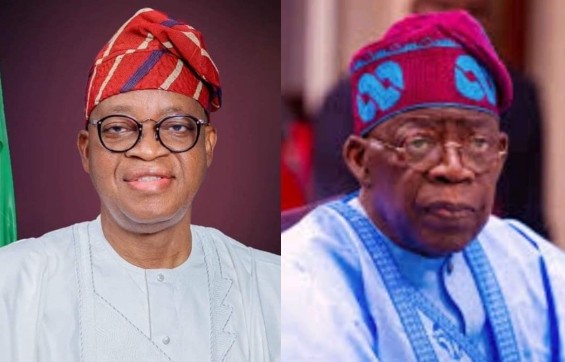
Nigeria has expressed readiness to leverage the €59 million West Africa Sustainable Ocean Programme (WASOP) to intensify efforts against illegal, unreported and unregulated (IUU) fishing and strengthen the sustainable management of its marine resources.
The Minister of Marine and Blue Economy, Adegboyega Oyetola, disclosed this during a meeting with the European Union Ambassador to Nigeria, Gautier Mignot, in Abuja.
The meeting focused on deepening cooperation between Nigeria and the European Union on maritime security, ocean governance and the sustainable development of marine resources.
Oyetola described illegal fishing as a major threat to Nigeria’s marine ecosystem and coastal livelihoods, warning that the practice continues to deplete fish stocks, undermine food security and weaken the economic wellbeing of communities that depend on fishing activities.
According to the minister, IUU fishing poses broader risks beyond environmental degradation, affecting national security and economic stability.
“Illegal, unreported, and unregulated fishing is a direct threat to national security, food sovereignty, and the survival of our coastal communities. We cannot afford to stand by and watch our marine ecosystems depleted and economic livelihoods eroded,” he said.
He stressed the need for stronger international collaboration, backed by enhanced monitoring and enforcement mechanisms, to curb illegal fishing activities and protect the country’s territorial waters.
Welcoming the EU envoy, Oyetola commended the European Union for its sustained partnership with Nigeria, particularly its support for maritime stability in the Gulf of Guinea, which remains a strategic corridor for global shipping and regional trade.
The minister noted that the WASOP initiative presents a significant opportunity for countries in the region to strengthen coordinated action against illegal fishing, improve ocean governance and promote the sustainable utilisation of marine resources.
He said Nigeria was prepared to actively participate in the programme to attract technical and financial support aimed at enhancing enforcement capabilities and advancing the country’s blue economy agenda.
Oyetola also highlighted ongoing reforms under the National Policy on Marine and Blue Economy, which seeks to drive innovation, encourage private sector investment and ensure sustainable exploitation of ocean resources.
He cited improvements in port operations, logistics and maritime security, while noting that efforts were underway to expand maritime infrastructure and boost Nigeria’s competitiveness in international trade.
The minister further called for broader cooperation beyond anti-piracy initiatives, urging development partners to support Nigeria in tackling environmental crimes, human trafficking and illegal fishing through a more integrated approach.
He specifically sought increased technical assistance from the European Union in areas such as surveillance technology, fisheries monitoring and enforcement systems to strengthen Nigeria’s capacity to combat illegal fishing across the Gulf of Guinea.
In his remarks, Mignot reaffirmed the European Union’s commitment to strengthening maritime cooperation with Nigeria and supporting regional efforts aimed at ensuring safer and more sustainable oceans.
He said the WASOP initiative, funded by the EU, was designed to promote integrated ocean governance, sustainable fisheries management and the protection of coastal and marine ecosystems across West Africa.
According to the ambassador, the programme will support improved coordination among coastal states, strengthen enforcement mechanisms, and promote a more inclusive and sustainable blue economy in the region

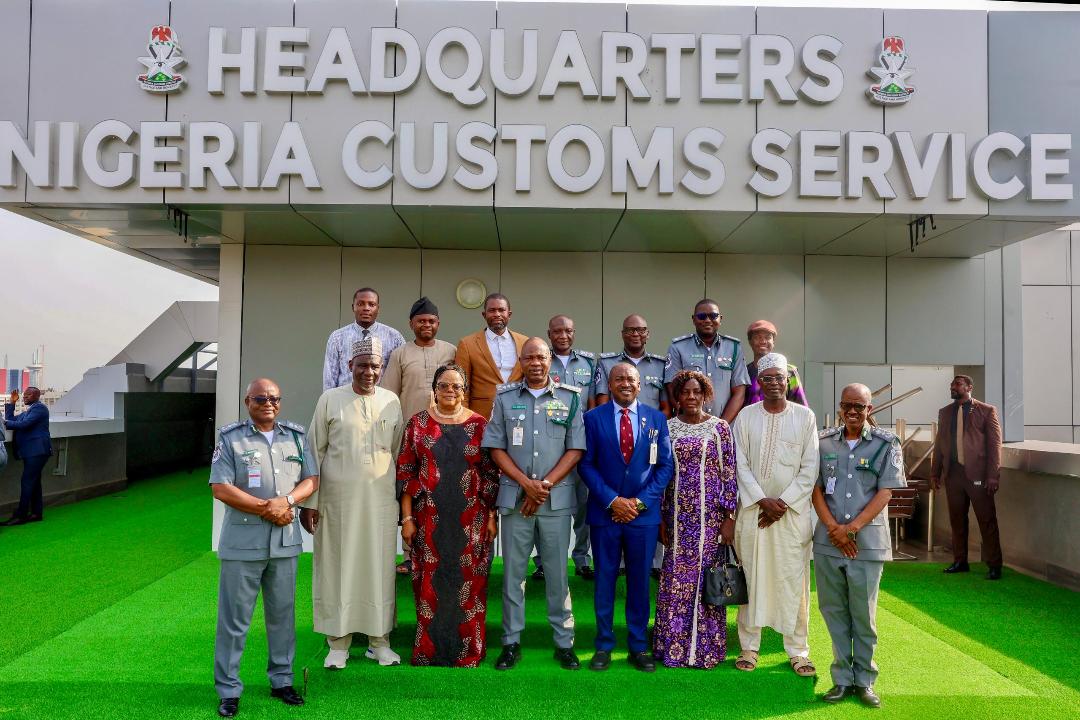
The Nigeria Customs Service (NCS) is deepening its investment in human capital and institutional development, with Comptroller-General of Customs, Adewale Adeniyi, pledging renewed support for research, ICT infrastructure and student-focused projects at Yakubu Gowon University.
Adeniyi made the commitment on Tuesday at the Customs Headquarters in Maitama, Abuja, while receiving the Vice-Chancellor of the university, Hakeem Fawehinmi, alongside other principal officers during a courtesy visit focused on expanding institutional collaboration.
The Customs boss said the Service was prepared to revive and strengthen a long-standing partnership with the university through targeted interventions capable of delivering measurable impact in education, border management studies and national development.
Speaking during the engagement, Adeniyi recalled that discussions to formalise collaboration between both institutions dated back several years when he served as Commandant of the Nigeria Customs Command and Staff College.
He said: “I have a long institutional history with this university. During my tenure as Commandant of the Nigeria Customs Command and Staff College, we made serious efforts to formalise a partnership through a Memorandum of Understanding. We went very far in the process and were close to signing, but leadership changes on both sides affected the process.”
Despite the delay in formalising the agreement, the CGC noted that the Service had sustained support for the institution through several interventions designed to improve learning conditions and digital access.
“At different times, we supported the university with transportation facilities, including the provision of a 32-seater bus. We also established a fully equipped computer centre with close to one hundred workstations. These were deliberate efforts aimed at building lasting institutional partnerships,” Adeniyi said.
The Customs helmsman stressed that the Service was more interested in projects with direct and sustainable impact on students and the academic environment.
“For us, beyond legacy, what matters most is impact. We understand the realities facing Nigerian universities, from transportation challenges to infrastructure gaps. Our interest is to support initiatives that will create a conducive learning environment and positively impact students,” he said.
Adeniyi further explained that the Service was willing to adopt a phased implementation strategy in executing identified projects where necessary.
“If there are multiple projects and we are unable to execute everything at once, we can adopt a phased approach and focus on priority areas that will make the greatest difference,” he added.
He also underscored the importance of strengthening the profile of the Federal Capital Territory’s premier public university, noting that the institution should reflect Abuja’s national status.
“It is important for us to have a university in Abuja that truly reflects the status of Nigeria’s capital. I am willing to work with you in that regard,” the CGC noted.
Earlier, Fawehinmi commended the leadership of the Nigeria Customs Service under Adeniyi, describing the agency as a critical institution supporting the Federal Government’s economic and governance reforms.
He explained that the university’s growing student population and operational demands had made strategic partnerships increasingly important, especially in areas relating to transportation, ICT infrastructure and research support.
“We have come with the highest level of leadership of the university to congratulate you and appreciate the tremendous work being done by the Nigeria Customs Service under your leadership.
“As the only conventional public university in the Federal Capital Territory, we face enormous responsibilities. Support in areas such as mass transit buses, ICT infrastructure, research facilities, and professional collaboration will significantly strengthen our capacity,” he said.
The Vice Chancellor also identified the university’s Centre for Defence and Migration Studies as a potential platform for collaboration with the Customs Service in border management, migration studies, executive training and national security research.
“We are ready to partner with the Nigeria Customs Service. The real beneficiaries of such collaboration will be young Nigerians who represent the future leadership of this country,” he added.



-

 Art & Life9 years ago
These ’90s fashion trends are making a comeback in 2017
-
Business9 years ago
The 9 worst mistakes you can ever make at work
-
Entertainment9 years ago
The final 6 ‘Game of Thrones’ episodes might feel like a full season
-
Art & Life9 years ago
According to Dior Couture, this taboo fashion accessory is back
-
Entertainment9 years ago
The old and New Edition cast comes together to perform
-
Entertainment9 years ago
Mod turns ‘Counter-Strike’ into a ‘Tekken’ clone with fighting chickens
-
Sports9 years ago
Phillies’ Aaron Altherr makes mind-boggling barehanded play
-
Entertainment9 years ago
Disney’s live-action Aladdin finally finds its stars